

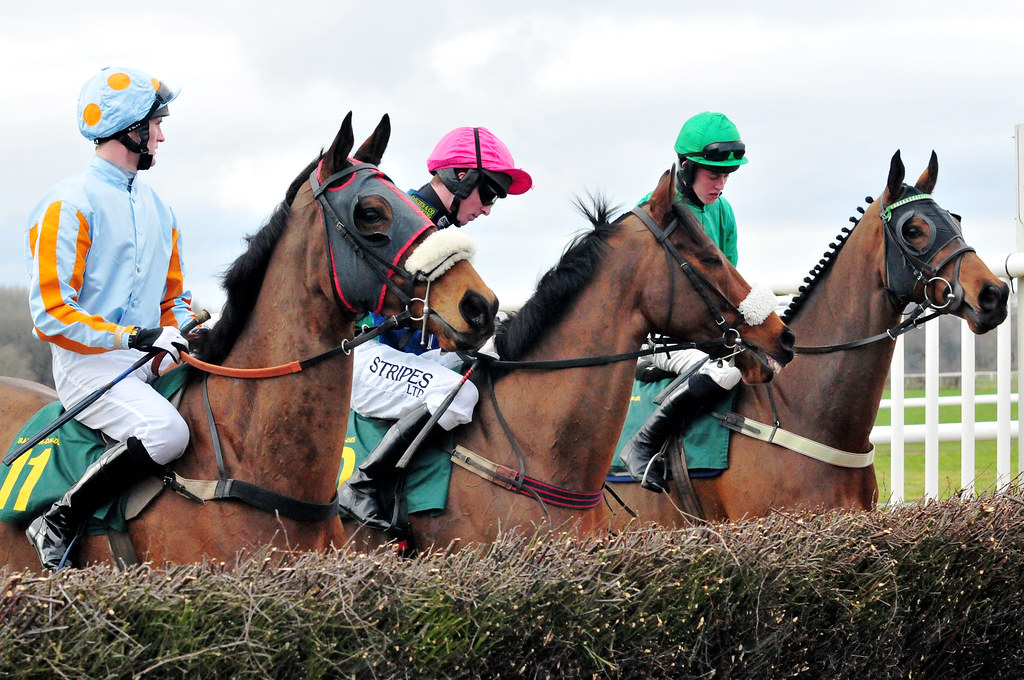

John Durkan Day weekend: in-depth race analysis
Form, trainers and jockeys: what to consider today
Below we build on the selections already published for John Durkan Day and the Uttoxeter cards, giving further context on form, trainer trends and market interpretation that can help readers make informed choices. This is editorial betting information for adults aged 18+ and aims to encourage responsible gambling rather than to prompt stakes or promise returns.
12:15 Uttoxeter — Farland: key strengths
Farland’s profile is one of a lightly raced five-year-old who carries clear yard confidence and a useful jockey claim that reduces his effective weight, which can be decisive in Class races on testing ground. Look for his preference for softer surfaces and how Nicholls’ stable form is shaping up this week when assessing his chance.
Trainer and stable form: what the numbers show
Paul Nicholls’ string can sometimes perform better after a run when fitness improves, so recent reappearance efforts are relevant to how Farland might be expected to race today. Review the stable’s recent results at similar tracks and on similar ground to get a clearer idea of likely improvement or regression.
Jockey bookings and weight claims explained simply
Jay Tidball’s five-pound claim materially changes Farland’s competitive weight and should be treated as a practical advantage on handicap days where margins are fine. When a young rider’s claim reduces a horse’s mark into a more workable band, it can make an otherwise close profile look more competitive on paper.
12:40 Punchestown — Riviere d’Etel: race outlook
Riviere d’Etel offers a mixture of big wins and occasional below-par runs, which makes her a “cliff horse” but one with undeniable class when everything clicks; the switch back to hurdles is the main tactical change to monitor. Pay attention to the ground on the day and how many rivals are proven at the trip as those factors will determine whether her class can dominate.
Ground, trip and seasonal fitness: practical points
Horses returning to smaller obstacles often show immediate improvement if their jumping was a limiting factor over fences, but this needs backing up with a solid reappearance or schooling report. Riviere d’Etel has previously thrived on softer going, so the going description and any late rain should be factored into any assessment.
2:25 Punchestown — Fastorslow: why he appeals today
Fastorslow’s form profile is strong at the top level and he has the race-winning experience that counts in big renewals such as the John Durkan; his last campaign provides a useful baseline for current ability. When assessing him against rivals returning from long breaks or unproven at this level, his consistency and recent prep give him an edge without implying certainty.
Using alternative markets: each-way and forecasts
For big-field or competitive races consider whether an each-way or small forecast reduces downside while still offering value relative to a straight win bet, but avoid over-banking on multiple selections. Understand the terms of each market at your chosen bookmaker — place conditions and number of places can vary and will affect any potential return.
3:10 Uttoxeter — Ballybeg: form, trip and claims
Ballybeg’s track record at Uttoxeter is significant and course-specialist form is a reliable angle in smaller handicaps, especially when combined with a useful jockey claim that drops him to a workable mark. Check recent ratings movements and whether the horse has returned in similar physical condition compared with his last winning runs.
John Durkan Day trends: what past renewals show
The John Durkan has often favoured well-raced, proven performers who handle testing ground and maintain form through the winter, so short-term comeback runners need clear fitness signals to be taken at face value. Trainers who target Punchestown specifically with a prep plan tend to out-perform those using the race as a mid-season stepping stone, which is worth noting when assessing entries.
Market interpretation: reading prices and moves
Odds movement gives insight into how the market is adjusting to late information such as jockey changes, ground reports or stable confirmations, but remember that bookmakers’ prices also reflect liability and promotion. Use price changes as one part of your decision process rather than the decisive factor, particularly where market volume is low and movements can be volatile.
Staking plans: sensible approaches for small stakes
Adopt a simple staking plan based on fractional percentages of a notional bankroll to preserve discipline and limit exposure across multiple races on the same day. Flat stakes, percentage staking or a small progressive approach for consistent winners can all be acceptable depending on individual risk tolerance, but never chase losses or stake beyond means.
Responsible betting: staying safe and in control
This content is for readers aged 18+ and is for informational purposes only; gambling carries risk and should never be viewed as a way to solve financial problems. If you choose to bet, set limits, stick to your staking plan and seek help if gambling behaviour becomes a concern — organisations such as GamCare provide confidential support in the UK.
Where to compare odds and sign-up offers safely
When you are considering bookmakers for any free bet or sign-up offer, compare odds, terms and withdrawal conditions and make sure you understand minimum stake and wagering requirements before committing. BestOfBets provides a comparison tool to help see differences between offers, but always read the small print and opt for regulated operators licensed for the UK market.
How to track betting records and performance objectively
Keep a simple spreadsheet recording date, race, stake, odds, market and result to measure long-term performance and identify strengths and weaknesses in your selections. Reviewing this data periodically helps refine criteria such as preferred tracks, distances and trainers, and prevents emotion-driven decisions after a run of results.
Betting responsibly with bookmaker comparisons and offers
Comparing multiple bookmaker prices can yield better value, but don’t let promotional offers drive your selections; treat offers as an added consideration rather than the primary reason to bet. If you use affiliate links or sign-up deals, remember that those links are informational and not a recommendation to increase stakes.
What to watch for in late market information
Last-minute confirmations from stable staff, declared rider changes or weather-induced alterations to the going description are legitimate reasons to revisit a selection, but be cautious of overreacting to rumour. Trusted sources include official racecards, trainer social feeds and recognised racing correspondents; use those signals to make measured adjustments.
Managing multiple selections across the card
If backing several horses on the same day, balance your staking so that one losing selection does not undermine the entire day’s plan and avoid doubling up disproportionate stakes on correlated outcomes. Consider the pros and cons of spreading risk across different races versus concentrating on one race where you feel strongest.
How weather and track conditions change expectations
A shift from good to soft, or soft to heavy, can transform a race by favouring proven mud-lovers and penalising speed horses who prefer quicker ground, so compare a horse’s form on the predicted going. Where possible, check recent form on similar ground and prefer selections with a demonstrable liking for the expected conditions.
Post-race analysis: learning from each outcome
After the races, review how your pre-race reasoning performed against the result to understand whether market signals, form lines or trainer comments were interpreted correctly. Use these learnings to refine your process for future cards rather than making ad-hoc changes after one meeting.
When to back favourites and when to look for value
Favourites are often favourites for good reason, but value can sometimes be found by backing well-handicapped or course-specialist types who are overlooked by the market. Balance the appeal of short-priced favourites with a disciplined search for overlays where odds understate a horse’s realistic chance.
Odds comparison tools and best practice for value hunting
Use odds-comparison tools to identify the best available price before placing a bet and consider the cost of any promotional bonuses when comparing effective value across operators. Remember that the best single price is rarely worth sacrifice of reliability or regulated protections, so pick licensed firms even if their price is marginally shorter.
Long-term thinking: tips for season-long punters
For readers who follow a season-long strategy, track trends such as which trainers target particular meetings, how horses improve with age and the influence of jockey partnerships over the season. A consistent, data-driven approach paired with sensible staking will generally outperform emotional, short-term reactions.
Frequently asked questions about these race previews
Below are common questions readers ask after previews like these, answered briefly and clearly for those aged 18+. If you need extra support with gambling harms, please consult professional UK services.
Q: Should I back every selection listed in the preview?
A: No — treat each tip as editorial opinion and decide which selections fit your own staking plan and risk tolerance; always gamble responsibly and only if you are 18+.
Q: How much should I stake on each suggested bet?
A: Stake relative to a notional bankroll, for example 1–2% per bet for conservative play, and avoid increasing stakes after losses; choose a plan that suits your finances and stick to it.
Q: Are bookmaker free bets worth using on these races?
A: Free bets can reduce personal outlay but check the terms carefully, including minimum odds and wagering requirements, to ensure they offer genuine value for your strategy.
Q: How do I check whether ground conditions suit a horse?
A: Compare the horse’s previous runs on similar going using official form lines and watch weather reports; a clear preference for soft or heavy is useful when the forecast is consistent.
Q: What is the best way to follow late declarations and market moves?
A: Use official racecards, bookmaker market updates and trusted racing newsfeeds for late changes, and avoid making impulsive decisions based on unverified rumours.
Q: Where can I get help if my gambling feels out of control?
A: If you are in the UK and need support, organisations such as GamCare and BeGambleAware offer confidential help; help is available and you should seek it if needed.
Q: Do course specialists always perform well?
A: Course form is a useful angle but must be combined with current fitness, ground preference and class; don’t rely solely on course wins without checking other factors.
Q: Can I use these previews for accumulator tips?
A: Accumulators increase risk and should be used with caution; if you choose to use them, keep stakes small and understand the compounded probability of losing legs.
You can explore current bookmaker comparisons and view available sign-up free bet offers responsibly on our free bets comparison page at https://bestofbets.com/free-bets. If you are interested in casino welcome offers, you can view affiliated casino bonus promotions responsibly at https://bestofbets.com/casino-bonus.