

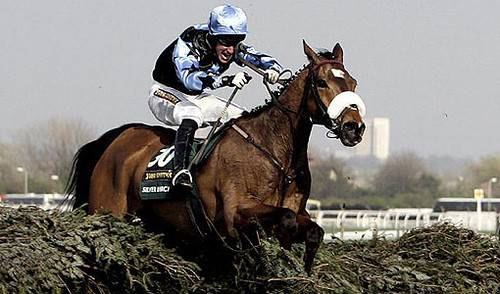

Grand National 2024: Expert Tips and Analysis
How I assessed the runners and key form lines
I reviewed recent chase performances, staying tests and how horses handled heavy ground to shape these complementary selections. The process prioritised consistent jumpers, proven stayers and trainers who target the National specifically.
Why ground and stamina matter for the Grand National
The Grand National is a marathon with big fences, so a horse that thrives on heavy or testing ground can gain an advantage over those that prefer quicker conditions. Form over extended trips and evidence of finishing strongly in long-distance contests are vital indicators for selection.
Reading recent race performance and trends
Look for a pattern of career progression or consistent placed efforts in staying chases, as one-off wins at shorter trips can be misleading in this race. Recent runs on similar ground and at venues with comparable fences provide more reliable predictive value.
How to interpret weights and handicap marks
Weight is important, but it interacts with class, stamina and jumping; higher-rated stayers can compensate for a heavier burden if they have the right profile. Consider how a mark was earned, whether through improving novice form or competitive handicap performances over staying trips.
Understanding weight penalties and mares allowance
Mares carry a weight allowance in many handicaps, but the Grand National produces few female winners historically, so evaluation should be evidence-based rather than assumption-led. When a mare shows proven stamina and jumping ability on testing ground, the allowance can represent real value.
Trainer and jockey form that can shift markets
Target trainers with a clear plan for the race and a record of prepping horses for big handicaps, as their entries are often aimed specifically at Aintree. Jockey bookings matter too; a pilot who rides well in staying chases and has a positive recent strike-rate can nudge a horse into the frame.
Betting responsibly: limits, breaks and help resources
Always set personal staking limits and take breaks from betting if you notice risky behaviour, and remember that betting should be for entertainment by those aged 18 and over. If you need support, accredited UK resources such as GamCare and BeGambleAware offer confidential help and tools.
How to use each-way and outsider selections wisely
Each-way bets are a sensible approach in large-field handicaps like the National because they spread risk across finishing places without implying guaranteed returns. For outsiders, focus on clear stamina or jumping angles rather than headline odds, as longshots can shape tote markets but remain speculative.
Market signals and when value appears in odds
Early market moves can reflect stable confidence, but late drift or shortening can indicate insider confidence or jockey/trainer news; both deserve attention. Value emerges when a price underestimates a horse’s proven stamina, favourable ground preference, or marked step up in trip.
Preparing a practical Grand National checklist
Create a simple checklist before placing a bet: recent staying form, jumping reliability, trainer targets, jockey booking and ground preference, plus weight considerations. Using a checklist reduces impulse choices and helps keep staking disciplined and informed.
How the pace and race shape affect outcome
The National’s unique fences and wide undulating circuit mean race shape is unpredictable, so horses that can settle and conserve energy often run on strongly late. Assess whether a selection can handle being outpaced early and still have the stamina to finish among the leaders.
Using multiple angles to build a betting plan
Combine a main selection with an each-way cover and one or two outsiders to balance upside with protection, rather than backing a single tiny stake on longshots alone. Keep stakes sensible and proportionate to perceived value, reflecting that no outcome is certain in big-field handicaps.
Interpreting form from cross-country and foreign runs
Strong performances in cross-country races or French staying contests can translate to Aintree, but bear in mind differences in obstacles, pace and race shape. If a horse has been schooled over larger obstacles and handled varied fences, that adaptability can be a plus.
Jockey bookings and their tactical importance
A jockey with recent staying chase success brings tactical nous about when to conserve and when to ask for an effort late on, which is crucial in the National. Also note if a rider is taking a single ride for the day; that can indicate extra preparation and focus.
Evaluating fitness after long absences or falls
Horses returning from long layoffs or that have fallen in recent feature races need careful scrutiny; a return to form is possible but not guaranteed. Evidence of schooling, light comeback runs and positive trainer comments can add confidence but should not be the sole basis for a bet.
Why proven big-field experience is valuable
Some horses handle large, competitive fields better than others because they settle, jump and navigate traffic efficiently. Proven form in big handicaps or festivals often signals the temperament and resilience needed on Grand National day.
How to interpret the weights carried by front-runners
Front-running types that have won at lower weights may face a stern test if assigned a top burden in the National, but if they get a soft early lead they can still be competitive. Consider whether a front-runner can conserve energy for the long haul or is likely to be caught late.
Trainer targeting patterns and declared intentions
Some yards routinely prep horses for the National, shaping their calendars to peak on Aintree day; these patterns are useful to recognise and follow. A declared plan and visible routeings through suitable staying races provide stronger evidence than speculative entries.
When to consider lay or non-backing strategies
If market moves or new information significantly reduce perceived value in a selection, consider stepping away rather than increasing stakes to chase losses. Responsible behaviour includes declining to bet when value is absent or if personal limits would be exceeded.
Practical tips for using bookmaker comparison tools
Compare odds, terms and each-way places across bookmakers to identify value without needing to chase dubious offers, and always read market terms for big races. You can explore current bookmaker offers through our comparison tools if you choose to bet responsibly.
Tracking your selections and post-race review
Keep a simple record of selections, stakes and outcomes to learn from results over time rather than relying on memory alone. Post-race review helps refine future selections by identifying which angles paid off and where judgement erred.
Final planning checklist before placing any bets
Confirm ground, check for late withdrawals, review jockey changes and ensure stakes fit within your responsible limits before placing a bet. Remember that betting should be entertainment for those aged 18 and over and never a way to solve financial problems.
Frequently asked questions on Grand National tips
Q: How much should I stake on the Grand National?
A: Stake within limits you can afford to lose and set a predetermined amount before looking at the market, aiming for entertainment rather than profit. If you are unsure, smaller each-way stakes reduce exposure while keeping interest in the race.
Q: Do mares have an advantage because of the allowance?
A: A mares allowance can help, but historical National data shows very few mares win, so selection should be based on stamina and jumping ability rather than allowance alone. Evaluate a mare’s form on heavy ground and over staying trips before backing her.
Q: Is ground the single most important factor to consider?
A: Ground is crucial but not the sole factor; stamina, jumping reliability and race pattern all interact with going to determine outcomes. A horse that loves heavy ground but lacks staying power may still struggle over the National trip.
Q: Are longshots worth backing in this race?
A: Longshots can offer appeal, but their chances remain speculative and should be backed with modest stakes if included; avoid treating long odds as value without supporting form evidence. Use each-way options where bookmakers offer suitable place terms.
Q: How should I treat market moves before the race?
A: Early market shortening can indicate stable confidence, while late moves often reflect inside information or urgent market corrections; both merit attention but not blind reaction. Always weigh market signals against your own checklist and limits.
Q: What resources can help if I have a gambling problem?
A: If betting stops being fun or you feel you are losing control, contact UK support services such as GamCare or BeGambleAware for confidential guidance and support. Remember that betting is for those aged 18 and over and help is available at any stage.
Q: Should I use multiple bookmakers for best odds?
A: Comparing odds across bookmakers can identify better value and different each-way terms without encouraging extra betting, but keep accounts and stakes within responsible boundaries. Affiliate links on comparison pages may earn referral fees, but your choice should be based on terms and suitability.
Q: Can past falls rule a horse out entirely?
A: A past fall is a factor to consider but not an automatic exclusion if the horse has since shown improved form and schooling, however jumping over big fences remains a genuine risk. Balance caution with evidence of recovery and recent safe jumping performances.
You can view our roundup of top bookmaker free bet offers and compare current new customer incentives on our dedicated free bets page at https://bestofbets.com/free-bets. For those interested in casino bonus offers, see the latest deals and welcome bonuses at https://bestofbets.com/casino-bonus.