

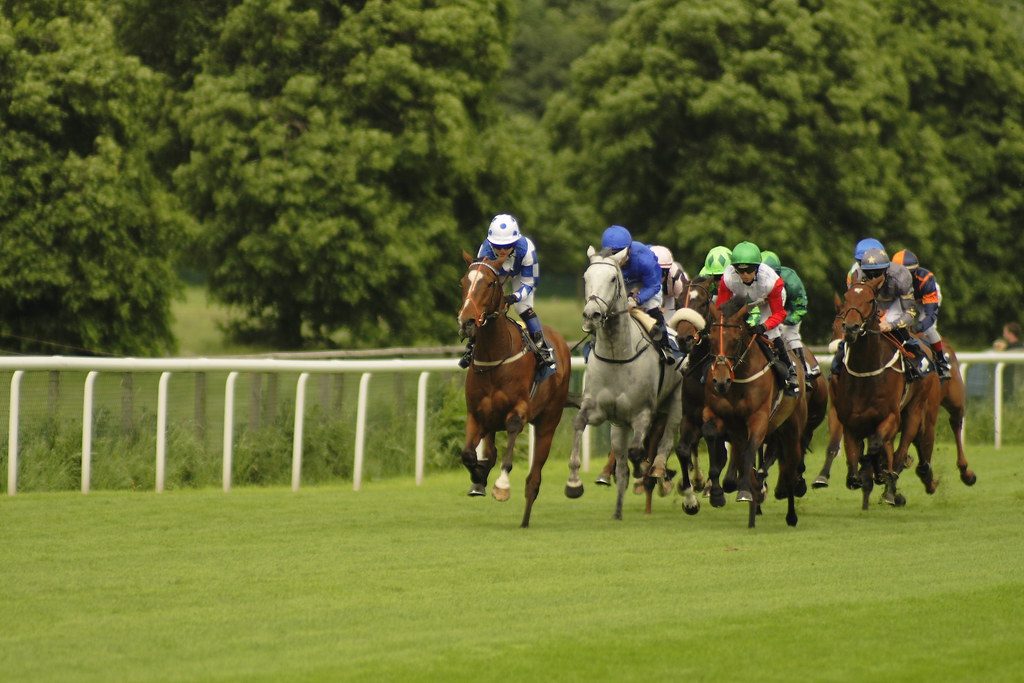

Haydock & Musselburgh Saturday racing tips and notes
This expanded guide complements our free Haydock Park and Musselburgh tips with extra analysis, track context and practical betting guidance for the ITV Racing card. Please note this content is for readers aged 18+ and is informational — gamble responsibly.
In-depth analysis, form notes and bookmaker guidance
This section builds on the selections already posted and offers a structured way to assess each runner, check market moves and compare bookie prices before you bet. Remember that past performance and form patterns offer guidance, not guarantees, and you should only stake what you can afford to lose.
Why Got Grey, Jer Batt and Le Milos appeal today
Got Grey’s drop to a mark of 110, the return of his tongue tie and the shorter two-mile trip all point to a scenario where the horse can make the most of his speed under Dan Skelton’s care. The recent runs on softer going and the March stamina test suggest the connections have targeted this race, so watch the market for support as an extra confirmation.
Jer Batt’s profile as a sprinter who handles Musselburgh and runs well fresh gives him a clear angle in the Scottish Sprint Cup, and the weight swings against rivals like American Affair and Cover Up strengthen his case in handicap terms. Le Milos, as a seasoned chaser with a clear prep in the qualifier and a modest rise in the weights, looks the type to appreciate the big-money final if the ground and trip behave as expected.
Form patterns, recent runs and handicap implications
When assessing handicap chances, focus on recent RPRs, the context of those runs and any equipment changes that might explain form shifts, such as the tongue tie for Got Grey or seasonal reappearances for Jer Batt. Handicaps can be won by small improvements or a more suitable trip, so combine figures with track and trip comments when sizing up a selection.
Also note which runs were on different ground types; a gelding returning from soft-ground efforts to good ground may show improved finishing speed, while others will struggle to replicate form off a different surface. Handicappers often move in the weights for consistent form, so a rise of a few pounds may be fair, but a stable switch or clear class drop can outweigh a minor penalty.
Course-specific notes for Haydock Park and Musselburgh
Haydock frequently favours well-balanced chasers and hurdlers who can handle a strong gallop and stay the closing stages, whereas Musselburgh’s sprint course rewards pace and a clean break from stalls for five- and six-furlong events. Course form is valuable; Jer Batt’s previous C&D win and seasonal reappearance record at Musselburgh are tangible positives that suggest he handles the track’s specifics.
For Haydock, check for any draw or stall biases on the day and note whether the ground has been drying out or staying soft, as quickening ground benefits several stayers and middle-distance chasers. Trainers who target specific finals, like Skelton with Le Milos, often arrive with a final prep run; such runs can be targeted and should be considered when assessing fitness and readiness.
Assessing ground, distance and equipment changes
Always cross-check the official going and any reported track upgrades or downgrades on race morning as they can materially change a horse’s chance, particularly for those switching from soft to good or vice versa. Equipment tweaks such as tongue ties, blinkers or cheekpieces can help a horse settle or quicken, and seeing those reinstated or removed relative to previous runs is a useful form indicator.
How to find value and manage risk when betting
Value betting is the practice of comparing your judged probability with the bookmaker price; if a selection’s chance looks underpriced by a few percentage points it may represent value, but avoid forcing marginal bets simply to be active. Shop around for the best odds, consider place terms and use multiple bookmakers to secure the price you want rather than accepting the first market price you see.
Manage risk with sensible stakes and consider each selection’s role within a small portfolio of bets rather than betting your whole plan on a single race or horse. Use place-only bets or each-way stakes where the field and market suggest an uncertain win chance but a credible place chance, and be mindful of the cost of place terms when comparing offers.
When to consider each selection for place or win
Use a win bet for selections you rate with a clear advantage based on form, class and conditions, and choose each-way where the market is competitive but the runner has a plausible place chance. For big-field handicaps with generous equitable place terms, an each-way approach can protect against narrow defeats while still offering upside if the selection defies the market.
Staking suggestions aligned with selection types
For straightforward single tips such as the 1pt Win calls, maintain a flat-stake approach to preserve a sensible bank and measure long-term performance across selections. For each-way plays like Le Milos at 6/1 with three places, consider a split stake structure that reflects the lower win probability and the value of the place return under the available terms.
Document your bets, returns and rationale to identify what works for your style and to avoid emotional staking after wins or losses, and remember that staking should be sized to your overall bankroll and not to chase losses or inflate stakes after a success. Responsible bankroll management is central to long-term enjoyment and discipline in racing betting.
Using bookmaker offers and comparison tools responsibly
Bookmaker offers and sign-up free bets can enhance value when used carefully, but compare expiries, wagering requirements and eligible markets before committing to any promotion. Our comparison tools help you see which firms give the best starting prices and place terms for particular races, and you should use those tools to find the most relevant offers for the events you plan to play.
Affiliate links and comparison charts are useful for locating competitive odds and free bet deals, but never allow a promotion to override your judgment on a selection or lead you to bet outside your limits. If you decide to use a free bet, read the full terms and avoid betting more than planned in pursuit of unlocking bonus funds.
Live race day adjustments and last-minute watchpoints
On the day, scan declarations for non-runners, late jockey bookings and any changes to tracks or rain forecasts that could alter the expected ground; these factors may materially shift each horse’s chance. Also watch the betting exchanges and tracker markets for informed money or significant price moves, which can indicate inside confidence or late changes in perceived chance.
If the market tightens significantly for one of the selections, reassess whether that movement is justified by new information or merely bookie liability management, and decide if you want to match the market or take an alternate stance. A disciplined approach to last-minute information helps avoid regret-driven betting and preserves the integrity of your staking plan.
Recommended staking and responsible gambling reminders
Keep stakes proportional to your available betting bank, set loss limits for the day and use self-exclusion or deposit-limiting tools with bookmakers if you feel your play is becoming problematic. Gambling should be recreational; if it stops being fun or you feel pressured to recover losses, seek support and make use of industry resources for help.
Practical checklist before placing a bet on Saturday
Before staking, confirm the official going, check for any jockey or trainer withdrawals, review the morning market and ensure you have compared prices across bookmakers. Keep a note of your backing rationale and the odds taken so you can review outcomes later and refine your approach over time.
Finally, ensure you are 18+ and that betting remains within your entertainment budget, and if necessary use bookmaker tools to set limits or cooling-off periods to maintain control. Our tips are editorial insight and not a promise of outcome; betting should always be a controlled and informed recreational choice.
You can explore current bookmaker offers through our comparison tools if you choose to bet responsibly and would like to check the best free bet deals. For casino players looking for sign-up bonus information our casino bonus page lists current partner offers and their terms.
Frequently asked questions about today’s tips and approach
Are these tips suitable for beginner bettors?
Yes, the notes explain form, track and staking basics that are useful for beginners, but new bettors should start with small stakes and focus on learning rather than chasing wins. Always check bookmaker rules and use deposit limits while you build experience.
How should I use bookmaker free bets with these tips?
Use free bets to try a selection without risking your own stake, but read the terms regarding qualifying markets and wagering requirements before using them. Free bets should not encourage over-betting and are best used as part of a pre-planned strategy.
Do I need specialist tools to compare odds effectively?
No, basic comparison tools and a couple of bookmakers are sufficient to get competitive prices, but using odds comparison sites saves time and ensures you secure the best available price. Shopping around for the best odds is a simple way to protect your value over time.
What if the going changes before the race?
If the going changes materially, reassess each selection’s ability to handle the new surface and adjust stakes or selection choices accordingly. Sudden rain or drying ground can shift chances, so be prepared to withdraw or reduce bets if your selection becomes unsuited.
How do I decide between backing to win and each-way?
Back to win when you believe a runner has a clear advantage; choose each-way when the horse has a credible place chance but the win probability is more uncertain. Consider field size and place terms when deciding, as small fields often reduce the value of each-way bets.
Where can I find more tips and race day updates?
Check our race previews, tips pages and bookmaker comparison sections for ongoing updates and market moves on the day of the meeting. Remember to use these resources to inform decisions, not as a substitute for your own assessment.
What support is available if betting stops being enjoyable?
If you feel betting is becoming a problem, use bookmaker self-exclusion and limits, and seek help from UK-based organisations specialising in gambling support. Gambling should remain an entertainment expense and not a source of stress or financial pressure.