

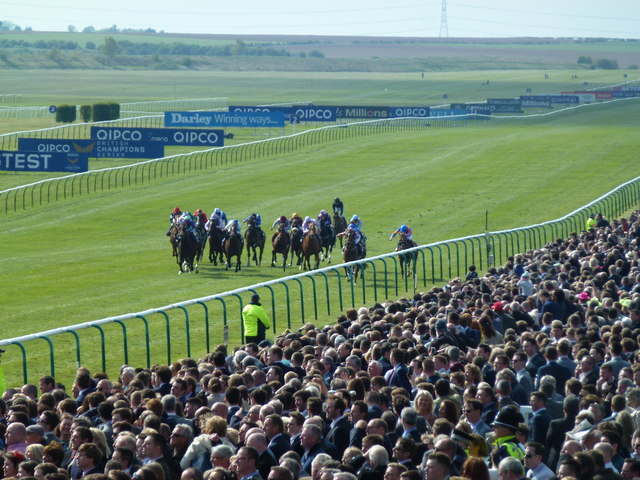

1000 Guineas Day: Key Races, Form Guides and Tips
Racecard overview, ground assessment and staking advice
1:15 – Gordon Richards Stakes (Group 3) – Adayar @ 6/5 (General) & Migration (W/O Adayar)
Everyone is looking forward to welcoming back Adayar to the track. It seems an age since he won the Derby, given that we have only seen him five times over two years. Charlie Appleby has said the aim for this horse is the Prince of Wales’s at Royal Ascot, and this could be a good starting point. Clear on ratings, the question is the ground. It turned to soft ground before the 2000 Guineas and there is a chance of a light shower today too. Watch out for bottomless ground.
One who can handle the soft and the heavy is Migration, who kicked off the flat season by winning the Lincoln in testing conditions. He’s usually a handicap horse, but has run in open company before. It might look a stern test on paper, but he’s the one with the proven stamina on testing ground. No problem with stepping up in trip, particularly on soft ground.
1:50 – Howden Handicap – Berkshire Rocco @ 11/1 (William Hill)
It’s another wide-open handicap over 1m 6F. It’s a tough call but I’ve gone for Berkshire Rocco. He’s ben starting to get the hang of things over on the all-weather, but 1m 6F over soft ground is ideal. And despite being third highest in the weights, he’s down to his lowest mark since the 2019 Zetland Stakes, racing as a two-year-old. It will be interesting to see how he fairs on his first return to the track in three-and-a-half-years
I also fancy the chances of Legendary Day. He seems to be on the drift, but cleverly avoids the five-pound penalty with jockey Jamie Powell taking 5lbs off. He reappeared winning over 2m on soft ground at Ripon and is versatile on any ground. He’s been turned out quickly, but just like Kitty’s Light last week it could pay out.
One to consider at a price is Torcello. A soft ground specialist and dour stayer. With age, he’s stepped down in trip to 1m 4F, but on soft ground he has licence to go further. He ran a strange race on reappearance this season, so hopefully we see the best of him today.
3:00 – Dahlia Stakes (Group 2) – Astral Beau @ 11/1 (Boylesports, BetUK)
Astral Beau is the soft ground specialist of the field. She annihilated the field at Doncaster in a listed contest and her rating allows to make the big step up in grade. And despite being surrounded with horses who are more than capable than her, she loves the mud, and at double figure prices she’s the one to have.
3:40 – QIPCO 1000 GUINEAS (GROUP ONE) – Tahiyra @ 7/4 (Betfred, BetUK)
I’m on the Tahyira train. She is a talented filly, and it showed when she won the Moyglare on soft ground. She may be inexperienced on form, but the talent she has from both sire and dam have merged into this one and there is no reason why Tahiyra cannot win. Meditate is good, but she has some ground to make up on the favourite.
I also feel that Mawj deserves a big chance here, but has the bookies quoting her at double-figure prices. She had a fantastic Winter in Dubai, stepping up to the mile trip without hesitation and taking to it brilliantly. Mawj is also a half-sister to Modern Games and Modern News, who both gained blac-type over the mile trip. You could say, she’s bred for a race like this.
The very best of luck!
Assessing the going: soft ground implications for runners
Going reports matter more than headlines on days when showers are forecast, because shallow mud and heavy underfoot conditions change the way races are run and the type of horse that will prosper. Soft or heavy ground generally favours proven mudlarks and horses with stamina, and those without proven soft form can struggle to produce their best on going that rides deep.
Stamina bias on heavy ground: when to favour stayers
When the going is soft to heavy, a horse that has won over longer trips or shown finishing strength is often worth a second look as trainers will target stamina assets in those conditions. Avoid assuming speed alone will win on testing ground; instead prioritise horses with form lines indicating they handle cut-up turf or that have won in similar testing conditions.
Adayar and Migration: weighing trainer targets and form
Charlie Appleby’s plan for Adayar places this race as a potential stepping-stone to Royal Ascot, so the ride here may be about fitness and sharpening rather than going all out for a seasonal peak; understanding trainer intent helps when comparing starting prices and in-running reactions. Migration’s profile as a soft-ground performer who can act beyond handicap company makes him a live alternative if Adayar finds the ground against him, and bookies will reflect such form contrasts in the market.
Jockey bookings and weight allowances that matter today
Jockey choices, late weight claims and five-pound allowances can swing formlines in handicaps and even affect the chance of marginal Group performers where weight matters; check declared riders and any last-minute changes before placing a bet. Bookmakers adjust odds quickly for declared jockeys and weight shifts, so refresh markets close to post time and factor claims and partnerships into your staking plan.
Howden Handicap insights: pace, weights and each-way clues
Wide-open handicaps like the Howden often boil down to pace and trap draw, where a strong, honest gallop will suit runners who stay and race prominently; look for horses that have run well in similarly-run staying handicaps and have recent course or going form. Each-way value is sensible in large handicaps when you can identify a small group of stayers or soft-ground specialists who could hit the frame, and checking each-way terms across bookmakers helps you find the best value.
Finding bookmaker value: prices, each-way terms and rules
Compare prices and each-way terms across firms because an extra place or a better fraction can make a non-favourite an attractive proposition in big handicaps and classic trials. Use comparisons to spot where the market underestimates a soft-ground specialist or where an extra each-way place is on offer at a bookmaker you trust, and always check non-runner and void rules before committing funds.
Mile classics and fillies: form lines for the 1000 Guineas
The 1000 Guineas is a test of pace, class and adaptation to a straight mile, and fillies from strong juvenile form-lines or proven soft-ground winners like Tahiyra and Mawj naturally attract attention; consider pedigree, two-year-old form and winter campaign when weighing up the market. Inexperience over the trip is less of a concern for well-bred types who have shown acceleration and class, but a horse’s way of moving and finishing over seven furlongs or a mile gives valuable clues on suitability to Newmarket’s straight.
In-play strategies and watching for key race signals
For those who watch in-running markets, use early fractions, position at halfway and how the favourite travels to spot when the market is adjusting fairly versus when it is overreacting to a small piece of new information. Maintain discipline with stakes and avoid chasing losses; in-play markets move fast and liquidity varies between firms, so have a clear exit plan before you enter a position.
Bookmaker pricing and market updates you should monitor
Monitor exchanges and blue-chip bookmakers for live price movements and volume, as these often show where informed money is going; sharp market moves can indicate a stable has confidence or late teamwork in play. Avoid emotional bets on price shortening alone and cross-check with form and going to confirm whether a market move is supported by likely race evidence.
Practical staking advice and responsible play for race day
Adopt a clear staking plan that suits your bank and temperament, such as flat stakes for tips you rate highly and smaller speculative stakes for longshots or each-way prospects, and never stake more than you can afford to lose. Remember that betting should be entertainment for those aged 18+, and responsible play includes setting time and money limits and seeking help if gambling stops being fun.
Non-runner rules, promotions and bookmaker comparisons
Check each bookmaker’s non-runner and refund policies before you bet because different firms treat voided selections, free bet stakes and ante-post markets in various ways that affect your potential return. You can compare offers and terms to see which bookmakers give the most favourable treatment for ties, dead-heats, free bet stakes and enhanced place terms without feeling pressured to join any single operator.
You can explore current bookmaker offers through our comparison tools if you choose to bet responsibly. Our listings include affiliate links to bookmakers and show their free bet terms for new customers, presented for information so you can decide which suits your needs.
For those who enjoy casino play as well, our casino bonus page sets out current offers clearly and responsibly so you can compare entry deals without obligation.
What factors should I check before placing a bet?
Check going, recent form, jockey bookings and declared weights; these are the immediate items that change race prospects and prices. Always bet within your limits and ensure you are 18+ to participate.
How do ground conditions affect form and odds today?
Soft or heavy ground typically favours horses with proven mud form and stamina whereas fast ground benefits speedier types; adjust your assessments accordingly. Markets react quickly to going changes, so revisit odds before you commit.
Can free bets be used sensibly and what to check?
Free bets can be useful for trying longer shots without staking your own money, but check the terms, wagering requirements and whether returns exclude stake; treat them as fun tools rather than a way to reduce losses. Always read small print and avoid over-betting because a bonus is limited-time entertainment only.
What is the best each-way approach for big handicaps?
Target horses with solid staying form, favourable weight and course form and use bookmakers that offer extended each-way places where value exists. Keep stakes modest for speculative each-way plays and never overcommit to long-shot punts.
Are bookmaker prices and markets different on race day?
Yes — prices tighten or lengthen based on betting volumes, news from the paddock and declarations, so compare odds close to post time. Use comparison tools to spot value and be aware of each firm’s non-runner and void rules.
What staking plan suits festival sprint and mile races?
Use a consistent flat-staking approach for favourites and a smaller unit for speculative selections; avoid boosting stakes after a run of losses. Responsible staking means betting only what you can afford to lose and setting pre-defined limits.
Where can I compare bookmaker offers and terms safely?
Our free bets comparison page lists current bookmaker offers and their terms so you can make an informed choice, and it includes affiliate links for transparency. Always prioritise regulated UK operators and ensure you are 18+ before opening accounts.