

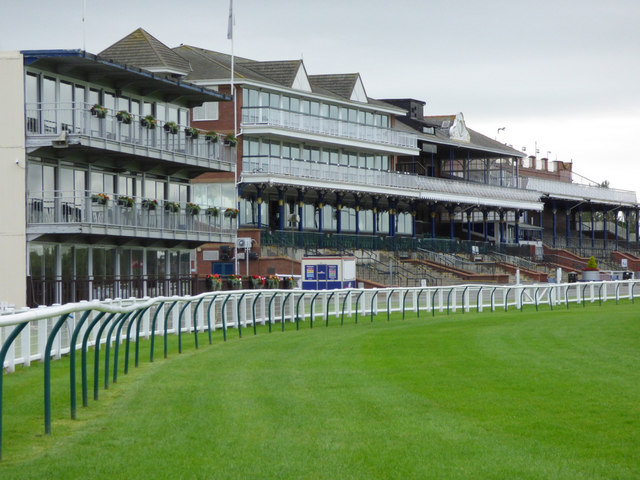

Ayr Gold Cup Preview and Sprint Handicap Guide 2026
This expanded guide complements our race-day observations and targeted selections for Ayr and Newbury. It offers tactical, market and responsible-betting insight for readers tracking the Ayr Gold Cup, Silver Cup and the Mill Reef.
Form Study, Weights and Draw Impact for Ayr Sprints
A structured approach to form, weight and draw helps separate chances in large sprint handicaps. Use these pointers to frame your pre-race notes and refine each-way exposure.
Assessing Jump The Gun and Lowered Weights Potential
Jump The Gun benefits from a clear drop in the handicap and a recent Doncaster run that suggests regained confidence. Look for a positive pace set-up and a clean break from stall 12 to maximise the weight advantage.
Connections report a forward fitness plan which matters in a big-field dash where split-second decisions decide placings. Consider his consistency over similar trips when weighing up each-way percentages.
Why Aplomb’s Goodwood Run Marks Improved Prospects
Aplomb’s near-miss at Goodwood shows he handles cut in the ground and competitive sprint pace. His low race load this season leaves scope for peak improvement back in the Silver Cup conditions.
Lightly-raced sprinters can progress quickly, but price movement and market confidence are worth tracking on race day. If the market shortens, reassess the value against stronger-seasoned rivals.
Be Proud and Jim Goldie’s Sprint Handicap Strategy
Be Proud is a logical vendor for support when Goldie saddles multiple runners, provided his race shape suits a six-furlong dash. Trainer tactics and ground preference are central to his chance on softer turf.
A revisit to suitable ground and a modest jockey claim can transform long-odds runners into viable place prospects in open handicaps. Match the likely early pace to his finishing run when sizing stakes.
Great Generation’s Newbury Form and Physical Attributes
Great Generation has the profile of a filly who thrives on cut in the ground and carries a progressive two-year-old record into this Group Two test. Her sire line and prior wins suggest she handles sharp five to six-furlong tests with authority.
When evaluating three-year-old fillies against older rivals, note physiological maturity and race-riding plans. If connections choose a forward ride, her unbeaten tag becomes more meaningful to punters.
Orazio’s Ayr Gold Cup Record and Recovery Notes
Orazio has underperformed in a couple of recent big sprints, but a freshening programme and renewed targetting of Ayr offer a plausible return to form. Charlie Hills’ approach to spelling and comeback runs often yields improved sharpness.
Watch the market for late support and consider his draw position relative to potential pace lanes. A short-priced favourite still requires a race-shape match before committing a larger stake.
Significantly’s Weight, Form Sequence and Suitability
Significantly’s recent Portland performance and stable consistency make him an obvious player off a similar mark. Low weight and strong recent form lines should be balanced against field depth and draw dynamics.
Handicap progression figures and sectional times help quantify his finishing capability across six furlongs. If the pace collapses early, his finishing sequence becomes a primary threat to the short-priced rivals.
Fast Response and Trip Adjustment for Six Furlongs Today
Fast Response dropping back to six furlongs after seven-furlong runs can suit a horse that maintains a strong late kick. A reduced trip often removes stamina doubts and accentuates speed for frontal races.
Compare his race-shape across recent starts to see whether he prefers to lead or sit off the pace, then match that to Ayr’s likely track pattern on the day. Jockey instructions and draw can tip him into an each-way berth.
Ayr Sprint Handicaps: Pace Map and Racing Lines Explained
Pace maps and sectional analysis reveal where early leaders may inflate or deflate the tempo, both of which create place opportunities. Large fields usually throw up wide variance in fractions, so identify horses likely to track leaders or close fast.
Monitor wind, rail position and declared jockeys to predict which lines on the track will be favoured. Use pace data to select horses whose running style will exploit the expected tempo rather than rely on headline form alone.
Trainer Patterns: Charlie Hills and Julie Camacho Insights
Trainer patterns and campaign plans are important indicators for race readiness, especially when a stable targets a specific heritage handicap. Hills and Camacho both show distinct placement tendencies that influence market support on declarations day.
Observe how often either trainer sends runners to similar handicap levels and whether they add blinkers or a change of headgear. Those small changes often correlate with a focused place or win attempt rather than a mere fitness spin.
Stall Draw Importance for Large Field Sprint Handicaps
In big fields the stall draw can dictate whether a horse finds cover or becomes boxed in down the rail. A wide draw may be an advantage when the track biases outwardly late, while inner stalls help in low-draw friendly runs.
Check historical draw bias at Ayr for the meeting and cross-check with declared pace to estimate which stalls will be favoured. Adjust your staking if a key chance is drawn opposite to the predicted bias.
How Ground Conditions Influence Speed and Stamina Needs
Ground assessment remains a core filter when comparing horses whose best form is on different surfaces. Some sprinters accelerate on quicker going while others prefer cut; match the declared going to individual form lines.
Pay attention to weather forecasts and course reports because rapid shifts from good to soft materially alter finishing positions. Bettors should have contingency plans if rain or drying conditions change between declarations and post time.
Reading Betting Markets: Short Prices Versus Value Odds
Market structure gives early clues about confidence and insider support, but short-priced favourites still require race-shape alignment to offer true value. Consider staking proportionally against your assessed edge rather than following market size alone.
When a favourite drifts late, assess whether it reflects a fitness concern or just a late supply of money across the bookies. Small movements are normal; sustained drift often merits caution or a reduced stake.
Each-Way Strategies for Competitive Sprint Handicaps Today
Each-way staking is often the most pragmatic approach in open handicaps where several runners have credible place claims. Determine the number of places each bookmaker pays and if their terms justify a split stake.
Use a consistent each-way rule aligned to your bankroll and the number of runners; avoid expanding stakes solely because a horse has a tempting price. Each-way conversion should be an unemotional, rules-based decision.
Managing Risk When Backing Unexposed Three-Year-Olds
Three-year-olds with few runs can offer attractive odds but carry inherent projection risk against older handicappers. Weigh pedigree, trainer usage and the presence of a performance baseline such as a black-type run.
Limit exposure and size stakes sensibly when backing inexperienced types, and use smaller stakes or multiple small each-way plays if you wish to take a speculative position. Treat unexposed horses as high variance selections.
Quick Guide to Jockey Styles and Race Riding Tactics
Jockey choice matters more in tight finishes for sprint handicaps where small steering and timing advantages count. Riders who know the track and have recent success on a given course can extract extra lengths from marginal chances.
Account for claims, weight allowances and recent form: apprentice claims can alter the perceived handicap rating of a horse. If a jockey change implies a negative tactical switch, reassess the horse’s projected finishing place.
Newbury Prep: Tapeta Form Versus Turf for Array Prospects
Array’s recent Tapeta run gives a baseline but adjusting for surface remains necessary when shifting back to sound turf. Sire and family form over fast ground help determine whether raw Tapeta speed translates into turf improvement.
When a horse switches from all-weather to turf, check for prior turf runs and breeding that suggest a natural affinity. If both align, the Tapeta run is a useful fitness indicator rather than a direct form equivalence.
Comparing Bookmakers’ Terms for Horse Racing Promotions
Different bookmakers offer varied qualification rules and T&Cs for sign-up bonuses and each-way enhancements; these details affect real value. Read the small print on qualifying bets, maximum returns and payout rules before committing.
You can explore current bookmaker offers through our comparison tools if you choose to bet responsibly and within your limits. Affiliate links are noted for transparency and to help you compare terms, not to pressure a decision.
Practical Bankroll Tips for Sprint Handicap Enthusiasts
Set a staking plan before the card and stick to it; that protects you from reactionary bets after a single race. Use unit stakes or proportional systems to maintain discipline across a long meeting or festival run.
Consider limiting the number of markets you bet per meeting to avoid overexposure and emotional decisions. Reassess stakes after a losing sequence rather than increasing to chase losses.
Using Data and Pace Tools to Improve Short-Run Selection
Integrate sectional times, recent speed metrics and pace maps to identify horses who finish strongly or who have a record of quick early fractions. These inputs help single out candidates whose strengths match the predicted race shape.
Combine raw data with qualitative notes—trainer plans, ground change, and declared tactics—to build a rounded view. Data is a guide, not a guarantee, and should complement on-course observations and form study.
Responsible Betting Reminders and Age Restriction Notice
Betting should be for entertainment only and is restricted to those aged 18 and over in the UK. If gambling stops being fun, seek support and consider time-outs, deposit limits or professional help.
Avoid treating betting as a way to resolve financial issues and never stake more than you can afford to lose. If you feel your gambling is becoming a problem, contact services such as GamCare for confidential advice.
Interpreting Market Prices and Each-Way Insurance Trends
Markets move for many reasons, from information flows to bookmaker liability management, so treat early odds with caution. Each-way insurance products can alter the practical value of a bet, but read terms carefully before relying on them.
Practical Stakes Management and Bankroll Guidance Notes
Decide a unit stake and percentage of bankroll per bet before you bet, then adhere to that plan across the card. Use smaller stakes for speculative selections and higher stakes for bets where your edge is clearer.
How Draws, Ground and Wind Affect Sprint Outcomes
The interplay between draw, ground and wind direction can create course bias that materially affects the outcome of sprint races. Compare the expected bias to a runner’s recent course performances to refine selections.
Using Bookmaker Comparison Tools Safely and Wisely
Bookmaker comparison tools help identify the clearest terms and best available odds but are an aid rather than a solution. Use them to maintain transparency and discipline, not to chase the highest price regardless of substance.
Practical Tips When Assessing Three-Year-Olds Versus Older Rivals
Pay extra attention to weight-for-age allowances and the way juvenile form compares to adult handicaps when evaluating three-year-olds. Look for clues in pedigree and trainer patterns that show how a horse typically improves with age.
Quick Tactical Adjustments for Late Market Moves on Race Day
When a horse shortens dramatically late, investigate jockey confirmation, local market ripples and trainer comments before committing or switching stakes. A late drift without explanation commonly signals risk rather than opportunity.
You can compare current bookmaker free bet offers and terms via our free bets page, taking care to read qualifying rules and stake restrictions before taking any offer. For readers interested in casino promotions we list casino bonus offers on our casino bonus page, again with clear guidance on T&Cs and wagering requirements.
What factors matter most in Ayr sprint handicaps?
Key factors include weight carried, recent form at six furlongs, draw bias, ground preference and declared pace.
How should I interpret the Ayr Gold Cup market?
Use the market as a guide to confidence but check race shape, trainer-commentary and late betting before sizing a stake.
When is each-way betting sensible in big sprint fields?
Each-way betting is sensible when bookmakers pay multiple places and the race looks open with several viable-place performers.
How important is the stall draw at Ayr’s big meetings?
Stall draw can be decisive in large fields; check historical bias and expected pace to assess whether inner or outer stalls hold the advantage.
Can Tapeta form at Kempton inform Newbury form for Array?
Tapeta runs provide a fitness baseline, but breeding and prior turf performance should confirm whether that form translates to sound turf at Newbury.
What rules help manage a betting bankroll responsibly?
Set a fixed bankroll, determine unit stakes, avoid escalation after losses and never wager money needed for essential expenses.
Are promotions and free bets worth comparing for value?
Promotions can add value, but always compare T&Cs, qualifying stake rules and maximum returns before deciding to take an offer.
Who should avoid betting on these races and why?
Anyone under 18 or those experiencing problematic gambling should avoid betting, and anyone relying on betting for income should not participate.