

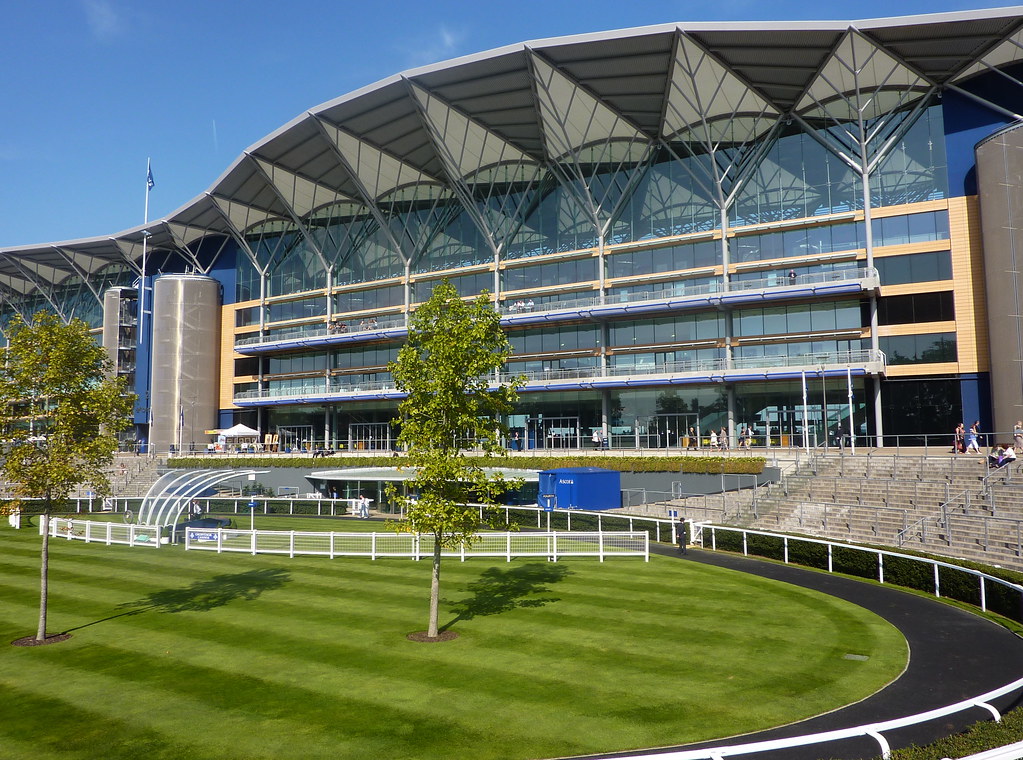

Ascot, Haydock and Wincanton: Weekend Racing Preview
Key form, trends and market moves ahead of races
This expanded preview complements our existing race-by-race thoughts by adding deeper context on form patterns, market interpretation and trainer intentions for Ascot, Haydock and Wincanton ahead of the weekend fixtures. We focus on how recent performances, ground preferences and weight changes should influence each selection’s chances while maintaining a responsible, informational approach to betting for readers aged 18 and over.
Why Pic D’Orhy looks suited to the Ascot Chase
Pic D’Orhy has been campaigned with this renewal very much in mind and his profile — a staying chaser with a preference for galloping tracks and a consistent jumping record — makes him the obvious market leader; study of his sectional times and finishing efforts suggests he handles Ascot’s undulations and the strong gallop that usually develops in March. When assessing him against rivals like L’Homme Presse and Ahoy Senor, consider the effects of race shape, pace and whether contenders are coming back from a break or stepping up in trip, since each variable will impact his chances and market value.
Market moves for a Grade One such as the Ascot Chase often reflect stable plans and intended targets; a cut in price for Pic D’Orhy accompanied by limited entries at Cheltenham strengthens the view that he’s been aimed at Ascot, whereas any late support for long‑distance types can indicate softer ground expectations that might blunt his speed advantage. Use the market alongside form that emphasises finishing speed and recent schooling reports to judge whether the current price represents durable value or simply bookmaker reaction to headline trainers’ declarations.
Using the market to gauge Cheltenham Gold Cup prospects
The Ascot Chase is often taken as a guide to Gold Cup form, but interpreting that signal requires caution because some horses use Ascot as a primary target while others treat it as a stepping stone; compare entries and declared targets to see who is on a Cheltenham trajectory and who genuinely prefers Ascot’s conditions. Pay attention to weight differentials, recent campaign schedules and any change of equipment or tactics from the trainer, as these subtle adjustments frequently reveal the broader plan for the spring festivals.
Victtorino and Revels Hill: Swinley Handicap glance
Victtorino’s two Ascot wins and his clear preference for this track make him an obvious headline act in the Swinley, while Revels Hill’s returning form and trainer commentary about being a spring horse give him credible each‑way prospects; assess Victtorino’s rise in the weights against the size of the field and the likely pace to determine if he’s vulnerable to a strong staying handicapper. Where horses have not raced recently, weigh up the quality of their previous seasonal form and consider that horses returning after a break can either improve markedly for a freshen‑up or need a run to reach peak fitness.
For each‑way strategies in bigger handicaps, monitor jockey bookings and any late declarations that can change race dynamics, and remember that Ascot’s ground can vary quickly, affecting those who prefer better or softer surfaces. Keep stakes sensible and frame any bet with the knowledge that handicaps carry more volatility than graded contests, so size your stakes to reflect both uncertainty and opportunity within assessed value ranges.
Form indicators for heavy ground and long distances
When heavy or soft ground is in prospect, prioritise horses with proven form on similar going and long‑distance pedigree, since staying power and an ability to handle deep underfoot conditions will often outweigh short‑term class advantages. Check earlier race clockings and margin reductions over comparable ground to spot those most likely to handle a testing surface and adapt tactics accordingly.
Haydock Grand National Trial: stamina and targeting the National
My Silver Lining has clear connections to the Grand National programme and his consistency on heavy ground combined with a low weight makes him a logical candidate for the trial, although historical trends show that winning the Trial is not a reliable indicator of subsequent Grand National success. Analyse whether the trainer intends to use Haydock as a confidence‑building run or a bona fide stepping stone, since horses aimed at Aintree will often be preserved for handicap ratings and peak targeting rather than short‑term festival glory.
Iwilldoit and Chambard offer alternative profiles that will appeal to different betting approaches — a lightly raced horse with weight allowances or a gritty long‑distance performer who handles bottomless going — and these contrasts underline the importance of matching selection to the expected race tempo and ground conditions. Assess jockey claims, recent weight allowances and seasonal targets to determine where genuine value exists and whether taking a small each‑way chance is preferable to backing a favourite to repel all comers.
Kingwell Hurdle insights: Colonel Mustard’s chances assessed
Colonel Mustard’s return to hurdles and his top rating relative to several runners suggests he has the class edge if the stamina test at Wincanton plays to his strengths, while the presence of penalised rivals such as Rubaud complicates market dynamics and supports a selective staking approach. Evaluate course form and the effect of penalties on late‑season horses when deciding whether to back the favourite or seek value in longer priced, unexposed types that may enjoy an improving aptitude for hurdling at the shorter trip.
In mid‑season Grade Two contests, horses switching codes or returning from chasing spells often cause market drift or sudden support; therefore, keep stakes conservative and factor in the potential for tactical races where a slow early pace or testing ground can produce surprise results. Make any betting decision within a risk‑managed plan, recognising the increased unpredictability in races featuring recent code changes or significant weight adjustments.
Responsible betting: stakes, records and bankroll rules
Betting should be for entertainment and is strictly for those aged 18 or over; set limits, only stake what you can afford to lose and consider using bookmaker tools such as deposit limits, time‑outs and self‑exclusion if you feel your betting is becoming a problem. Keep a simple staking plan that reflects confidence levels in selections rather than chasing losses, and review your record periodically to identify strengths and weaknesses without attributing undue emotion to short‑term outcomes.
How to use bookmaker comparisons for best value this week
Comparing prices and free bet offers across licensed UK bookmakers is a practical way to extract marginal value while staying within regulated environments, so use comparison tables to find the best odds and terms on specific race markets rather than betting with the first offer that appears. Remember that offers and enhanced prices are promotional tools; read terms and restrict your betting to platforms you trust, and do not let bonus incentives distort sensible staking decisions or encourage stakes beyond your means.
When evaluating markets, include factors such as bet‑to‑void clauses, minimum odds for free bets and roll‑over requirements, since these terms materially affect the real value of any promotion and should shape whether you use an offer for a graded race or a value each‑way punt. Keep your approach impartial, and treat promotional offers as an ancillary convenience rather than the primary reason to place a bet.
Weekend markets: where value commonly appears in these races
Value frequently appears where horses step back up in trip, return from a short break with a change of tactics, or carry a slightly reduced handicap mark compared with their best form; target these scenarios after checking trainer patterns and recent stable form to ensure the change is meaningful. In graded races, long‑term jury factors such as consistent improvement, course preference and proven ability to handle race conditions are the most reliable indicators of sustained value compared with one‑off market fluctuations driven by publicity or connections’ comments.
For the casual punter, small, well‑justified stakes on likely improvers or horses whose running style suits anticipated race shape often give better recreational value than backing marginal favourites at short odds, but always balance potential return with the inherent risk in each race and keep bets proportionate to your personal bankroll and entertainment budget. Responsible comparison of odds and market moves helps identify where a bookmaker is underestimating a horse without encouraging larger stakes or risky behaviour.
Practical tips for reading race cards and form figures
Focus on recent consistency, distances beaten, the nature of those beaten horses and any changes in shoeing or headgear, since these small indicators can reveal genuine improvements or declining form that are not obvious from headline results. Pay attention to how horses finished — a finishing surge on heavy going often translates into a solid staying performance on similar days, whereas flat late runs after draws or poor starts might indicate underlying issues.
Also, examine the quality of opposition in recent runs rather than raw finishing positions, as a second to a high‑class rival can be more informative than a narrow win over weak opposition; use this context to weigh up how each horse will fare when up against proven Grade One form or seasoned handicap rivals. Keeping a short checklist — ground, trip, weight, course form, and jockey bookings — will streamline decisions and reduce emotionally driven choices.
The content above is for readers aged 18+ and intended to inform, not to encourage excessive or irresponsible gambling; if you choose to bet, please do so sensibly and use available responsible gambling tools. You can explore current bookmaker offers and compare free bet promotions responsibly via our bookmaker comparison page at https://bestofbets.com/free-bets.
For those interested in casino bonuses as a separate form of regulated entertainment, view affiliated casino welcome offers and terms on our dedicated page at https://bestofbets.com/casino-bonus.
Frequently asked questions about weekend racing bets
Am I eligible to use these tips and offers? All betting activities referenced are for people aged 18 or over and within the entry criteria of licensed UK operators; if you are under 18 do not attempt to place bets. Betting should only be carried out by those who can afford to lose and who gamble responsibly.
How should I size stakes on these race previews? Stake sizing should reflect personal bankroll management and confidence levels; consider flat staking small percentages of your betting bank for graded races and smaller, proportionate stakes for more speculative handicaps. Avoid chasing losses and set sensible limits before betting.
Can trial winners be trusted for the Grand National? Winners of Grand National Trial races do not consistently translate into Grand National winners in the same year, so use trial form as one of several indicators rather than a definitive predictor. Consider weight, stamina, and how the horse has handled similar extreme conditions before making a judgement.
Should I prefer favourites in graded races like the Ascot Chase? Favourites in Grade One races are often supported for good reason, but assess underlying form, course suitability and any fitness questions before backing a short‑priced runner; selective staking and value hunting remain sensible approaches. Avoid assuming favourites are risk‑free and size stakes accordingly.
Where is value found for casual punters this weekend? Casual punters may find value in well‑profiled each‑way chances, horses stepping back up in trip or those with a clear liking for current ground; compare odds across bookmakers to secure the best available price before committing. Keep bets modest and treat betting as entertainment rather than income generation.
What should I check about bookmaker offers before using them? Always read the terms and conditions of any free bet or enhanced price, noting minimum odds, expiry dates and any wagering or stake‑return rules that affect value. Use licensed UK bookmakers and take advantage of responsible gambling features if needed.
How important are jockey claims and weight allowances? Jockey claims and weight changes can materially affect handicaps and should be considered, especially where a light claim reduces the effective burden on a promising horse; quantify the likely impact within the context of race distance and ground. Combine weight analysis with form and course preference for a rounded view.
Where can I find more detailed bookmaker comparisons? For up‑to‑date comparisons of bookmaker free bet offers and current sign‑up promotions, visit our dedicated comparison page at https://bestofbets.com/free-bets which lists licensed operators and headline terms. Remember to gamble responsibly and ensure you are eligible before claiming any offer.