

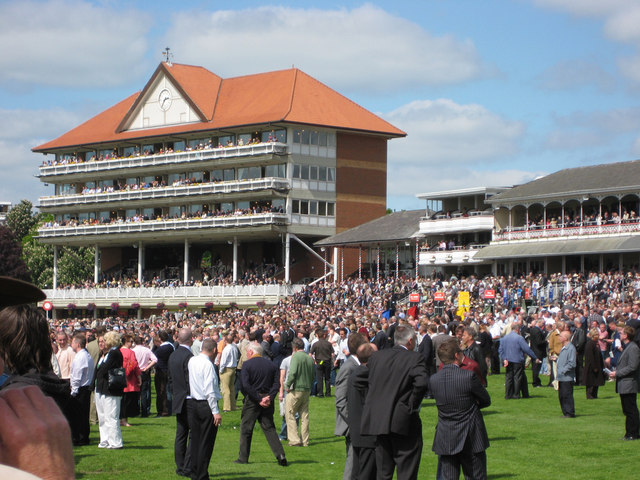

Royal Ascot Build-Up: York and Sandown Preview
Form, Tracks and Market Angles Ahead of Ascot
This preview adds context to the existing race notes while helping readers identify value and manage risk ahead of Royal Ascot. It is written for informed UK punters and assumes familiarity with horse and market basics.
York Sprints: What to Look For in Pace Bias
York’s sprint courses often reward early speed and well-drawn runners, especially when the ground is on the quicker side. Pay attention to the likely pace map and stall draw when assessing each horse’s chance over five and six furlongs.
Riders who can secure the rail or an inside position tend to set the race tempo at York, so compare recent sectional times and in-running positioning to understand which horses will be advantaged. That complements the on-track form notes already published above.
Sandown Speed Tests and Scurry Stakes Considerations
Sandown’s straight five furlongs and galloping six-furlong tracks suit different sprint types, with the Scurry Stakes favouring raw speed and early position. Weather and the going report can swing the race in favour of those who handle cut or give in the ground.
For listed sprints at Sandown, consider horses dropping in grade from Group company as they often offer the best value when conditions and trip are right. Check whether a horse has previously shown a turn of foot over a similar course and going.
Horse Form, Trainer Patterns and Jockey Trends
Trainer form cycles and stable targeting are crucial when scanning the entries at York and Sandown. Look for trainers who send multiple runners into the same card, and for jockey bookings that indicate confidence.
Jockey bookings can be a strong market indicator, but always weigh that against the rider’s strike rate at the course and over the trip. Recent partnership statistics between jockey and trainer are an effective filter for value bets.
Betting Markets, Stakes and Value Hunting Explained
Markets to focus on include win, each-way and exacta forecasts for big sprint cards, while ante-post bets may be appropriate for proven stayers stepping up into feature events like the Ebor Grand Cup. Each-way terms and field size materially affect value.
When looking for value, compare prices across bookmakers and factor in non-runner no-bet rules, terms for each-way fractions, and alternative market depth. Use bookmaker comparison tools to identify the best available odds without chasing unrealistic returns.
How to assess distance and ground suitability
Match a horse’s past performances to the expected trip and going before committing to a stake. Two good recent runs over a similar distance and ground are more reliable than an isolated standout effort on an unconventional surface.
Reading betting odds and implied probability
Convert fractional or decimal odds into implied probability to see whether your own estimate of a horse’s chance offers positive expected value. If your assessment consistently exceeds the market-implied chance, you may have identified value.
Responsible staking plans for short and long term
Adopt a clear staking plan that limits each bet to a small percentage of a predetermined bankroll to reduce volatility. Avoid chasing losses and ensure stakes are affordable within your overall budget and personal finances.
Race Selection Tips for Multi-Race Coverage
Prioritise races where form, track, trip and intended tactics align clearly, rather than betting across every contest on the card. Concentrating stakes on identified value selections improves long-term discipline and clarity.
For big cards that build toward Royal Ascot, look at how trainers use these meetings as trials or stepping stones, and whether horses are likely to be saved for bigger targets. This helps separate genuine chances from short-term fitness runs.
In-Play Opportunities and Live Betting Considerations
In-play markets can offer improved value when a horse’s early position or labelled tactic changes the race dynamics. Use live streaming and sectional updates to reassess chances during the race and consider smaller, tactical stakes in-running.
Remember that in-play betting often involves higher volatility and narrower margins, so apply stricter stakes and avoid emotional decisions. Fast markets require firm, pre-defined rules for entry and exit.
Trainer and Jockey Heatmaps for Sprint Cards
Create a quick reference of trainers and jockeys with strong short-term strike rates at York and Sandown to identify potential overlays. Trainers who consistently place in similar graded sprints are reliable sources of angle-based bets.
Jockey heatmaps should include course winners, strike rates over the season, and success with certain trainer partnerships. This is particularly valuable for crowded handicaps where race craft matters as much as raw speed.
How to use form lines across different classes
When a horse drops from Group to Listed company, compare its peak performances against the prevailing Listed standard rather than looking solely at the last run. A former group horse often retains ability that translates to success at a lower level.
Understanding weight in handicap sprints and distance races
Weight changes can be decisive in handicap sprints, especially when combined with a favourable draw or track bias. For distance handicaps like the Ebor Grand Cup, weight for age and weight carried over longer trips should be carefully modelled.
Weather, going changes and late market moves
Keep an eye on overnight rain forecasts and stewards’ going updates close to post time, as late rain can materially alter which horses are favoured. Market moves in the last hour often reflect insider information or confident bloodstock connections.
Practical Checklist Before You Place a Bet
Verify non-runner rules, confirm jockey declarations, check each-way terms, and compare odds across bookies to secure the best price. Make sure the stake is within the limits of your staking plan and your overall betting budget.
Record your bets and outcomes to build a disciplined approach and to learn which strategies perform best over time. Responsible record-keeping aids long-term improvement and avoids emotional decision-making.
How to Use Bookmaker Comparison Effectively
Price shopping and understanding bookmaker-specific terms are simple ways to increase expected returns without increasing risk. Use comparison pages to find the best available odds and to review sign-up offers responsibly.
If you choose to use affiliate links, treat them as an informational resource that helps locate competitive prices rather than as a reason to increase stakes. Choose offers that match your betting style and only bet if it is affordable and for entertainment.
This page is for readers aged 18 and over. Gambling should be treated as entertainment and not as a way to make money or solve financial issues. If gambling stops being fun, seek support from organisations such as GamCare or Gamblers Anonymous and consider setting deposit limits with your bookmaker.
You can explore current bookmaker offers and compare free bets on our dedicated comparison page at https://bestofbets.com/free-bets if you choose to bet responsibly. For those interested in casino welcome offers, see the latest bonus terms and comparisons at https://bestofbets.com/casino-bonus.
Can I bet responsibly on York and Sandown meetings?
Yes. Bet only if you are 18 or over, set a clear budget, and use bookmaker tools to limit stakes and losses. Seek help if gambling causes harm.
How should I use trainer and jockey form when betting?
Combine recent trainer and jockey strike rates with course-specific records to form a balanced view. Prioritise consistent performance over occasional spikes.
Are ante-post bets sensible ahead of Royal Ascot week?
Ante-post bets can offer value but carry non-runner and form risk, so stake smaller amounts compared with day-of-race bets. Use them when you genuinely believe current market prices understate a horse’s chance.
What’s the best way to find value across multiple bookmakers?
Compare odds and each-way terms across firms before placing a bet, and account for promised payouts and special terms. Use comparison tools to avoid missing better prices.
How do I factor ground and distance into my selections?
Look for past runs at the same or similar distance and on similar going, and prefer horses with multiple credible runs in those conditions. Avoid over-weighting a single outlying performance.
When is in-play betting useful on sprint races?
In-play can be useful when pace development or a slow start changes the race dynamic, allowing reassessment based on live position. Keep stakes small and stick to predefined rules to avoid reactive mistakes.
What measures help prevent problem gambling behaviour?
Set deposit and loss limits, take regular breaks, and never chase losses or gamble with essential money. If you are concerned, contact a support service such as GamCare for confidential advice.