

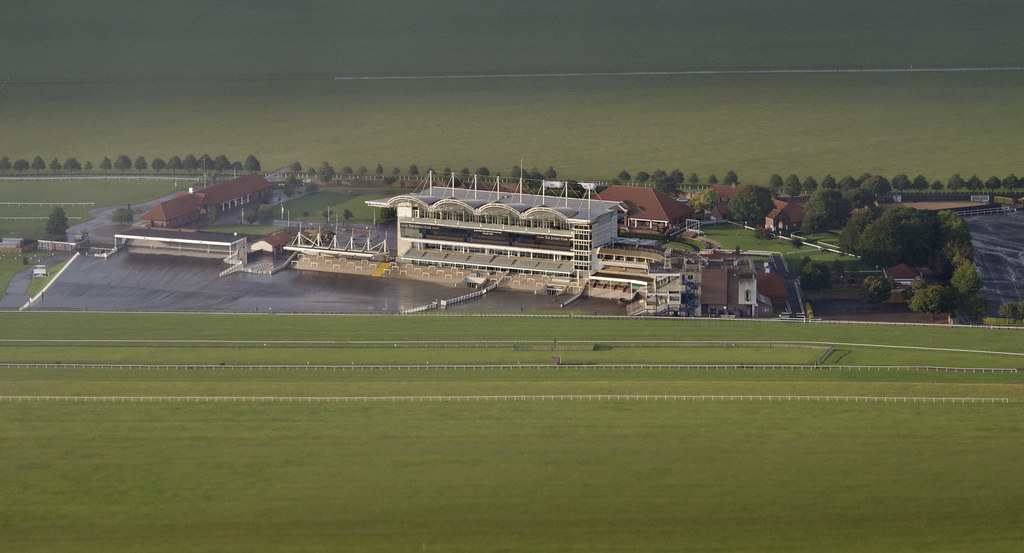

Newmarket 2000 Guineas: In-depth Race Day Preview
This extended preview complements the race day content above and offers practical guidance for analysing the 2000 Guineas card and its supporting contests. It is written to help informed readers understand form, market dynamics and sensible staking choices ahead of the big day at Newmarket.
How to analyse the card and betting markets
Start with the obvious: form lines, recent trial performances and course experience matter heavily over a flat mile at Newmarket. Compare native track form on the Rowley Mile with seasonal reappearances and winter runs from Meydan or AW tracks to gauge fitness and adaptability.
Next, analyse the market to identify value rather than favourites alone. Look for patterns in opening prices, early money, and how bookmakers respond to news on ground, declared jockeys or late withdrawals.
Key form pointers for mile specialists at Newmarket
Assess juvenile Group form carefully: races like the Dewhurst, Middle Park and Vincent O’Brien National Stakes are strong guides to Guineas potential. Horses which have shown both speed and the ability to stay seven furlongs plus often make the most convincing mile candidates.
Pay attention to seasonal prep runs; a smart reappearance from a recognised Guineas trial for the distance can be a leading indicator. Also weigh up where each horse raced previously on the Rowley Mile, as experience on the straight course is valuable.
Interpreting the draw and track bias at Newmarket
Newmarket’s draw influence varies by race distance and ground, so check recent race data before staking. Generally, the straight mile can favour those drawn slightly higher on a testing surface, but this changes with firm ground and wind direction.
Trainer and jockey notes that affect race chances
Evaluate stable form as part of the process: trainers in good early-season form deserve extra attention while established Guineas yards often prime runners specifically for these targets. Jockey bookings can reveal confidence and tactical intent, particularly when top riders switch from a stablemate to a declared Guineas contender.
Also consider trainer patterns with two-year-old stars: some yards trend towards progressive improvement into three-year-old Classic contests while others prefer more patient routes. These tendencies influence each horse’s expected development curve and readiness.
When to consider each-way and forecast bets
Each-way value is most attractive in sprint or handicap support races where the market is deep and finishing places pay out to three or four places. Use each-way selectively in races with large fields or when there is a clear top-two and competitive rest of the field.
Forecasts and exactas suit knowledgeable readers who want to combine horses from the same race; they can offer better returns with modest stakes but require disciplined bankroll management and market comparison. Avoid complex multiples unless the stake size is small relative to your betting plan.
Betting strategies for stakes, markets and value hunting
Establish a staking plan before the card and stick to it: flat percentage staking or unit-based stakes will protect your bankroll and make long-term assessment clearer. Avoid the temptation to chase losses or increase stakes following early defeats on the card.
Hunt for value by comparing odds across reputable UK bookmakers and watching for early market moves following declarations or inspection reports. Small price differences matter, so open accounts with multiple, trustworthy firms to ensure you can secure the best odds without delay.
How to monitor odds movement and in-running markets
Odds movement can signal smart-money support or public overreaction; investigate the reasons behind a drift or shortening rather than responding instinctively. A well-timed in-running bet can be sensible where a horse is expected to travel strongly and the race shape favours a late charge.
Use in-running with caution and set strict limits for exposure as prices move quickly; consider cash-out as a tool if it reduces potential loss within your staking framework, but never treat it as a guaranteed way to recover a losing position.
Responsible gambling tips for race day bettors
Betting is for adults only: you must be 18 or over to place a wager in the UK. Set clear budgets for the day, use deposit and loss limits provided by licensed bookmakers, and avoid staking money you cannot afford to lose.
If betting stops being fun or you suspect it is affecting your finances or wellbeing, seek support through recognised UK services such as GamCare or the National Gambling Helpline. Always treat bookmaker offers as opportunities to enhance entertainment value, not a way to secure income.
How to evaluate the supporting handicap and Group races
Handicap form often reveals consistent performers who run well off a mark that still offers competitiveness on the day; consider horses with recent course-and-distance form first. In the Palace House and other Group sprints, raw speed and race-class experience are critical, so favour proven black-type performers unless ground or trip changes alter form lines significantly.
For handicaps, scrutinise weight changes and the likely pace scenario; horses able to settle and finish strongly can overcome higher marks, while front-runners may be exposed if pressured early. In Group races, focus on pattern race ratings and recent runs at equivalent level.
Practical checklist before placing a bet on the Guineas card
Before placing any bet, confirm the official going, any late declarations and the intended jockey bookings for each selection. Re-check the parade ring and veterinary updates where available, and verify the price is still acceptable across bookmakers you use.
Finally, allocate stakes according to your plan, log all bets for future review and avoid back-to-back impulse bets triggered by emotions. Keeping a disciplined approach preserves long-term enjoyment and clarity over results.
We encourage readers to explore bookmaker comparisons responsibly and to use free bet offers only as part of a controlled, entertainment-focused strategy. If you choose to follow tips or offers, remember that no outcome is guaranteed and losses are possible.
You can explore current bookmaker offers through our comparison tools at BestOfBets to see free bet promotions and shop around for the best odds. View our casino partner bonus listings responsibly if you are interested in casino offers at BestOfBets.
Common questions about betting the Guineas card
Q: How early should I form a betting plan for the 2000 Guineas?
A: Aim to have a clear plan a few days in advance, reviewing entries, recent trials and stable news. This gives time to compare markets and avoid rushed decisions on the day.
Q: Is course experience vital for Guineas contenders?
A: Course form on the Rowley Mile is a useful positive but not essential; strong juvenile Group form or convincing seasonal reappearances can outweigh lack of course experience. Consider balance between proven Newmarket form and raw class shown elsewhere.
Q: Should I favour market leaders or look for value outsiders?
A: Assess the market leaders for consistency, but actively seek value when contrasting public sentiment with form study. A balanced approach reduces risk and helps find worthwhile each-way or win-only bets.
Q: What stake size is sensible for novices?
A: Use small, consistent unit stakes or a percentage of your bankroll to limit exposure while you learn. Never increase stakes to recover losses and set daily limits to control spending.
Q: How do weather and going affect Guineas strategies?
A: Soft or heavy going tends to favour horses with proven stamina, while firm ground benefits speedy types. Check the official going and adjust selections accordingly rather than relying on pre-season assumptions.
Q: Are bookmaker offers worth taking into account?
A: Offers can provide additional value if used responsibly and within your staking plan. Compare terms carefully and avoid offers that encourage excessive or emotional play.
Q: Can I use in-running markets safely?
A: In-running betting can be effective for experienced punters who understand race flows and liquidity, but set strict limits and avoid impulse reactions. Treat in-running as a tactical tool rather than a source of guaranteed profits.
Q: Where can I find help if betting becomes a problem?
A: If you feel betting is causing distress, seek help immediately through UK resources such as GamCare or the National Gambling Helpline. Betting should always remain a controlled form of entertainment for those aged 18 and over.
Explore current free bet promotions and bookmaker comparisons on our dedicated page: https://bestofbets.com/free-bets. You can also view our affiliated casino bonus offers for new customers on the BestOfBets casino page: https://bestofbets.com/casino-bonus.