

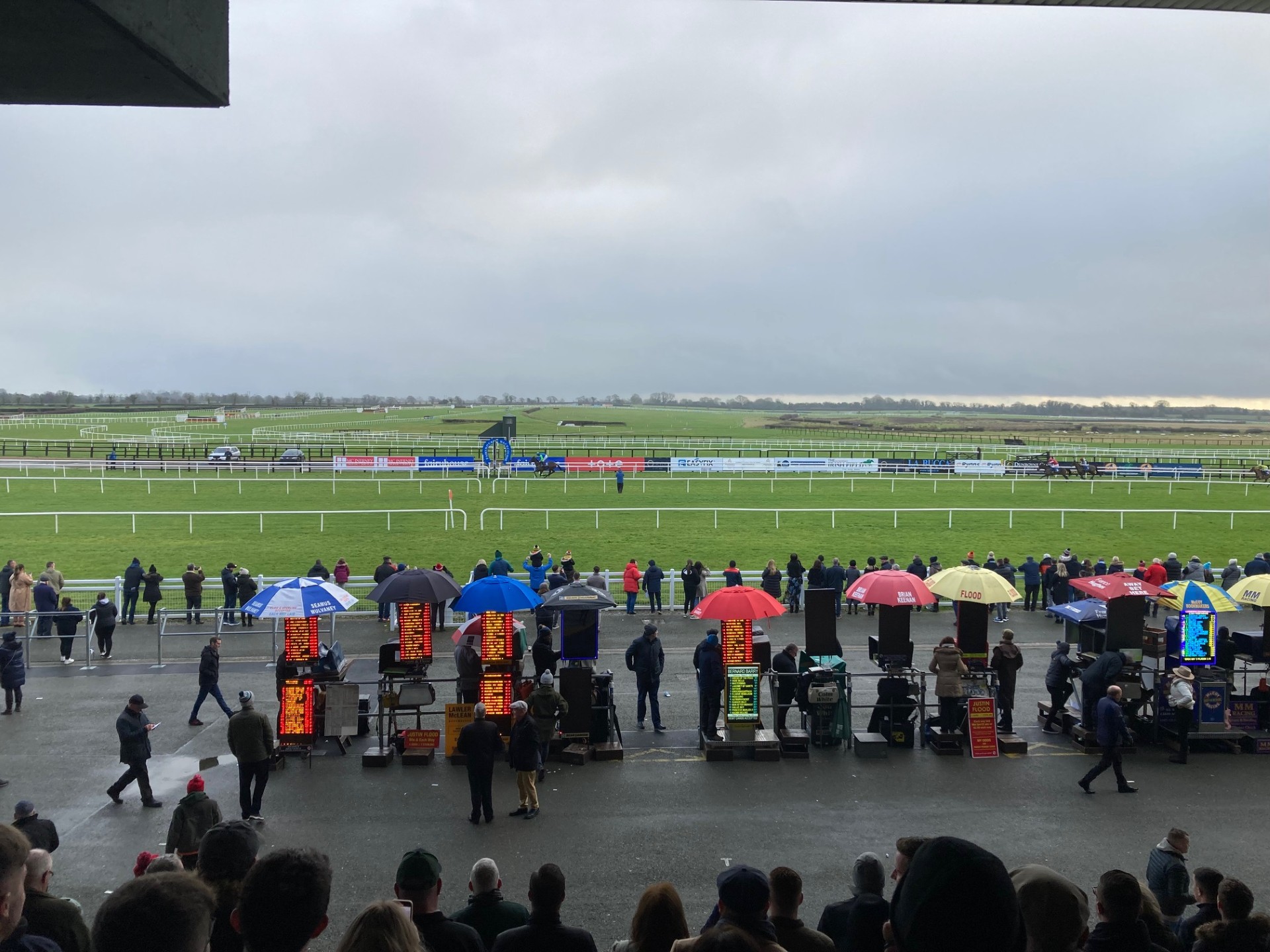

Fairyhouse Irish Grand National: Easter Monday Preview
Fairyhouse hosts the Irish Grand National on Easter Monday and this extended preview expands upon the race day analysis already on the page. The following sections provide detailed form pointers, market insight and practical betting considerations for readers analysing the card.
How to analyse Irish National form and market moves
Evaluating contest form requires combining recent race performance, weight carried, and ground suitability to build a ranked shortlist of contenders. Market moves, jockey bookings and late declarations supply valuable signals for shortlisting but should be weighed alongside consistent data rather than relied on alone.
Key trainer and jockey angles to consider today
Look for trainers with repeated festival success at Fairyhouse and those who target the National well in advance, as preparation patterns can indicate a genuine staying project. Jockey bookings are vital; a stable-first choice or an experienced big-race rider often adds a tangible advantage over a jockey change or less-experienced pilot.
Assessing form: last runs, distances and ground
Prioritise horses that have proven stamina over similar distances and that have run well on comparable ground, whether soft or good, because the Irish National is a test of endurance as much as speed. Avoid over-valuing one off wins on unsuitable ground and instead look for progressive form across two or three runs.
Each-way strategy and stake advice for big handicaps
Each-way betting is often the most sensible approach in large handicap chases where many runners have legitimate claims, and securing a bookie that pays five places can materially improve value. Stake sizing should reflect bankroll rules and personal limits; smaller, consistent stakes reduce volatility and help manage long-price blowouts.
How track conditions at Fairyhouse affect chances
Fairyhouse undulations and prevailing weather can turn the race into a true stamina examination, so horses proven on soft, testing ground usually have an edge when the going is heavy. Pay attention to official going updates close to race time and consider ground adaptability when weighing form lines from Cheltenham or Aintree.
Comparing bookmaker markets and best available odds
Shop around different bookmakers for the best odds and consider specialist markets such as forecast, reverse forecast and each-way places to improve long-term returns when staking responsibly. Use comparison tools to see which firms offer the most favourable each-way terms or any new-customer offers that suit your preferred market.
Why Irish form can trump British form on heavy ground
Ireland often produces stayers that handle testing ground better than their British counterparts, particularly where the profile of schooling and winter racing emphasises stamina. When the ground is soft or heavy, prioritise Irish form that includes long-distance wins or credible placed efforts under similar conditions.
When to favour proven stayers over inexperienced horses
Proven three-mile plus performers should be favoured when the race involves extremes of stamina and numerous fences, because experience of staying and jumping under pressure usually reduces the risk of late fading. Inexperienced improvers can still be attractive at longer odds, but they should be a secondary consideration to established stayers.
Using the market: late money and non-runners explained
Late money can genuinely reflect insider confidence or sophisticated staking by professional punters, so significant market shifts warrant closer inspection of trainer comments and declarations. Be mindful that non-runners can void part of a multiple stake and that odds can change quickly; set firm staking rules to avoid impulse bets.
Responsible betting: limits, breaks and support options
Gambling is for adults aged 18 and over only; set deposit, time and stake limits and take regular breaks to help keep betting controlled and enjoyable. If gambling stops being fun, seek support from recognised services and consider tools offered by bookmakers and independent organisations to enforce healthy boundaries.
Race-by-race context for the Fairyhouse card
The juvenile hurdle and graded contests earlier in the card often reveal horses in form heading into the big handicaps, so monitor those results when reassessing the National line-up. Performances in these supporting races can modify expectations for riders, yard form and stable momentum going into the feature.
How to use festival form from Cheltenham and Aintree
Festival form offers a strong guide but should be adjusted for trip, class and the switch between hurdle and chase disciplines; a good Cheltenham performance over three miles can translate well to Fairyhouse. Conversely, an underwhelming festival run on heavy ground may be better explained by conditions than ability, so contextualise each effort.
Weather patterns and betting timing to watch
Check weather forecasts and track reports early on race day because rain or a drying strip can materially change the chances of several horses and shift each-way probabilities. Plan bets with a view to pre-race information, but avoid last-minute emotional staking prompted solely by odds movement.
Bankroll and staking plans for big day betting
Create a staking plan before the card and stick to it, allocating a small percentage of your bankroll to longer-priced National bets and reserving a portion for safer races if you prefer lower-risk stakes. Treat the day as entertainment and research exercise rather than a route to income, maintaining affordable and sustainable limits.
How to interpret distance wins when assessing stamina
Winning at extended distances is a stronger stamina indicator than a single close finish over a shorter trip, particularly when the victory was decisive and on similar going. Also note whether the horse finished strongly in defeat, as a hard-closing effort can signal latent staying ability.
When ground tests reveal honest performers
Horses that have won or run well on heavy ground typically display toughness and the ability to handle testing conditions on race day, traits that are highly desirable for the Irish National. Conversely, a top-class animal unproven on soft ground carries a degree of risk if the going deteriorates.
Evaluating a horse’s jumping under race pressure
Reliable jumping is essential in large national handicaps because errors expend energy and can lead to lost ground in the final stages of the race. Video evidence of steady round performances and the absence of late-race mistakes should feature prominently in any selection process.
Bookmaker offers, comparisons and responsible use
Bookmakers frequently post odds boosts and enhanced each-way terms for big races, which can improve expected return but should be used judiciously and as part of a measured staking plan. You can explore current bookmaker offers through our comparison tools if you choose to bet responsibly and within your limits.
18+ only. If you have concerns about gambling, please access support services and use self-exclusion or limit-setting tools provided by operators and independent organisations.
For a quick look at the most competitive free bets available for new customers visit our free bets page at https://bestofbets.com/free-bets which lists our recommended bookmaker offers in one place. You can also review casino bonus opportunities for new players on our casino bonus page at https://bestofbets.com/casino-bonus.
Common questions answered about Grand National day betting
What should I look for when reading form guides?
Focus on recent performances at similar distances and ground, noting whether the horse finished strongly or weakened late, and consider trainer form and consistency. Form guides are a starting point and should be combined with market signals and jockey bookings for a rounded view.
Is each-way betting sensible in the Irish Grand National?
Yes, each-way bets offer value in large handicaps where several runners can legitimately place, especially when bookmakers pay extra places. Make sure your stake fits your bankroll and compare each-way terms to choose the most favourable option.
How much should I stake on long-priced runners?
Stake size should reflect your overall bankroll; a small, consistent percentage per selection helps manage risk and preserves funds across many races. Avoid increasing stakes to chase losses and stick to predetermined limits.
Do weather updates really alter race outcomes?
Yes, weather can change the going and therefore the relative chances of certain horses; a drying track or sudden rain will favour different profiles. Always check official going updates and adjust selections if the expected conditions change materially.
Which trainers should I watch on Irish National day?
Keep an eye on trainers with strong staying records and those who target Fairyhouse specifically, as their entries and declared plans often indicate targeted campaigns. Trainer statistics for big handicaps and festival form provide useful context when assessing runners.
Where can I find fair bookmaker comparisons?
Use reputable comparison tools that list odds, each-way terms and any applicable promotions so you can identify where value exists for your chosen markets. Remember that comparisons are informational and that you should bet responsibly within your means.
What support exists if gambling becomes a problem?
If you feel gambling is causing harm, contact support services such as GamCare and use operator tools like deposit limits, time-outs and self-exclusion to take control. Gambling is for people aged 18 and over only and help is available if needed.