

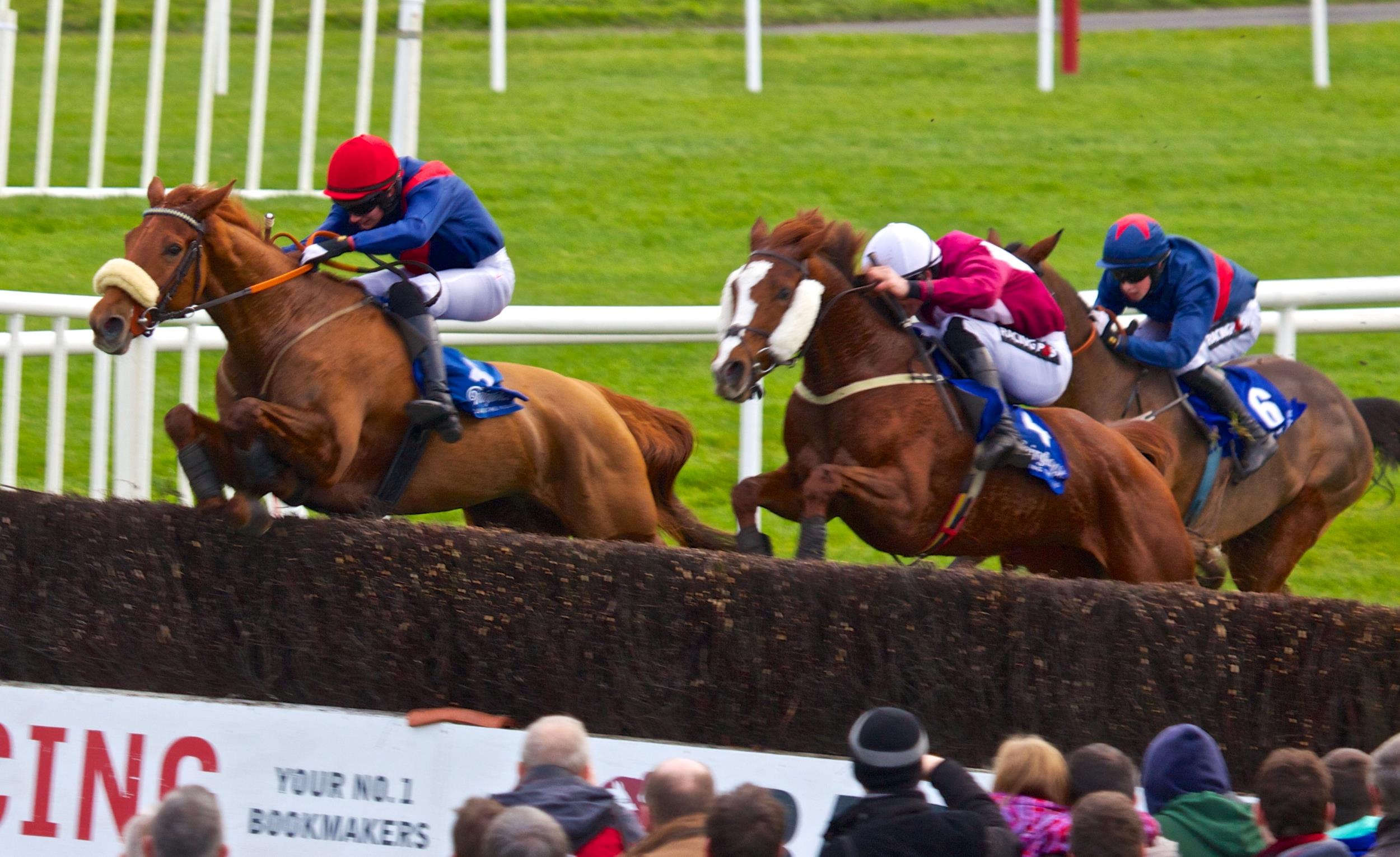

Complete Irish Grand National Day Betting Guide
This supplementary guide expands on the day’s selections with practical analysis, staking ideas and pointers for reading form in staying chases.
All content is for readers aged 18+ and aims to inform rather than promote betting; please gamble responsibly and only wager what you can afford to lose.
How to read form and assess Irish staying chases
Key factors when evaluating staying chasers
Look for clear stamina indicators such as past form over extended trips, late close finishes and wins under testing conditions.
Weight carried, recent mark changes and the profile of beaten horses give useful context for how a horse might handle a big handicap.
Assessing recent form lines and horses to follow
Check whether rivals that finished close have gone on to win or run well subsequently, which strengthens a form line for reproducibility.
Note improvement patterns and any consistent falls or errors that could suggest unreliability over a long trip.
Horse profiles from the day to note for stays
Profiles to prioritise include proven stayers, horses dropping back in grade, and those who travel strongly through races.
Course form and running style matter; front-runners may be vulnerable if the race turns into a stamina test late on.
Practical each-way staking and bankroll guidance
Each-way stakes are typically sensible in large handicaps with wide fields; size your stakes as a percentage of an overall bankroll.
Avoid chasing losses and set clear limits before the race to maintain disciplined betting practice.
Trainer and jockey trends to consider for Fairyhouse
Identify handlers who target Irish staying handicaps and who place runners selectively on big days; their strike rates across similar contests are informative.
Jockey bookings matter in a close finish, so note which riders are retained and whether they have experience delivering a horse late over longer trips.
How ground and trip affect each-way prospects
Ground will often decide if a horse stays the trip; many proven stayers have a marked preference for cut or heavy going that can improve their chance.
Conversely, horses who prefer good ground can be exposed on testing days, so match the surface profile to the selection’s best runs.
Market interpretation and value in big handicaps
Market moves can reflect insider confidence or late-swing support, but always weigh these against the race facts and form depth before trusting the price.
Value is relative; a longer-priced horse with strong staying form and course experience can offer better each-way returns than a short-priced favourite with question marks.
Applying race-day intelligence to your bets
Using race cards and sectional times to refine choices
Sectional timings reveal how races are run and whether a horse finishes strongly, which is crucial for judging stamina over long distances.
Compare recent sectionals to the expected pace to see if a horse is likely to be receiving or conceding speed in the race setup.
How to weigh up penalties, marks and recent improvements
Recent wins often bring penalties that affect handicaps, so calculate whether a horse still represents fair value after the mark rise.
Rising marks can be justified by improving form, but beware of short-term spikes with little underlying substance.
Course-specific quirks and local knowledge advantages
Fairyhouse and Plumpton have idiosyncrasies in terms of fences, undulations and run-in length, so local form often carries more weight than flat circuits.
Where possible, favour horses that have shown an aptitude for the specific course demands rather than relying solely on general staying form.
When to consider laying out of curiosity or savings
Experienced bettors sometimes stake small speculative bets to test a tip or market view, keeping those bets strictly proportionate to their unit plan.
Saving capital and not betting every race is a valid tactic that preserves bankroll for genuine value opportunities.
Common questions on Irish Grand National Day bets
What should I look for in long-distance handicap form?
Prioritise stamina indicators, winning or placing over extended trips, and strong finishes in races run at a similar pace.
Also consider course experience and whether form rivals have franked the form subsequently.
How important is trainer and jockey booking on the day?
Very important; targeted trainers and retained jockeys can be decisive in big handicaps where margins are fine.
Consistency from a trainer-jockey pairing often signals readiness and a tailored race plan.
Is each-way betting the best approach for large handicaps?
Each-way is often sensible in large-field handicaps as it spreads risk while capitalising on value if your selection places.
Adjust stake size according to the race depth and your personal bankroll rules.
Do ground conditions change how I should interpret form lines?
Yes, a horse’s best form can be ground-dependent, so matching the expected surface to past performances is crucial.
Runners showing their best on similar going deserve extra consideration.
How should I manage my bankroll on big race days?
Set a clear staking plan and stick to percentage-based units rather than chasing high odds or losses.
Keep a separate allocation for speculative bets and do not exceed pre-set limits.
Are market moves a reliable sign of value?
Not always; market moves can indicate confidence but may also reflect late non-professional money or biased books.
Cross-check moves with form and trainer patterns before increasing stake size.
Where can I compare bookmakers and offers responsibly?
You can explore current bookmaker offers through our comparison tools if you choose to bet responsibly, and consider the terms before joining any promotion.
If you use affiliate links from this site, treat them as informational and never as a suggestion to exceed your limits.
For a list of our recommended bookmakers and current free bet offers for new customers, see https://bestofbets.com/free-bets.
For casino welcome offers from our affiliated partners, please visit https://bestofbets.com/casino-bonus.