

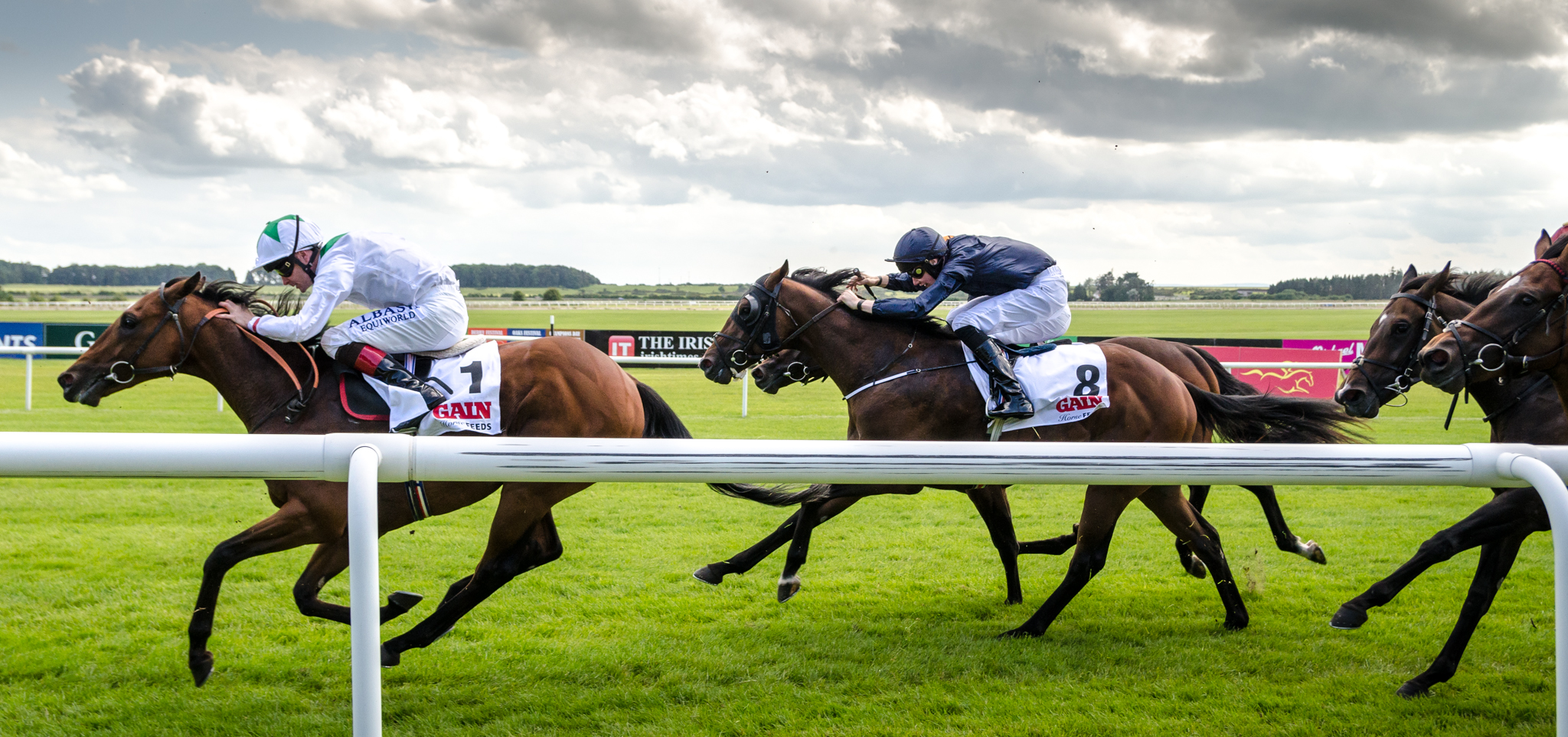

Curragh Racing Preview and Irish Guineas Tips
This preview expands on the earlier race notes for the Curragh card and the Irish 1000 Guineas, offering extra form context, betting angles and practical tips for racegoers and bettors. It is written for readers aged 18+ and aims to inform responsible wagering without promising winnings or encouraging excessive risk.
How to assess form, ground and trainer trends
Reading recent form means looking beyond finishing positions to consider race shape, sectional times and the level of competition; trainers’ seasonal patterns and jockey bookings often reveal intent and fitness more clearly than a single run. Ground preference, especially at the Curragh where quick drying can change conditions fast, is crucial for mile and middle-distance performers and should be weighed alongside breeding and previous runs.
Rogue Millennium and Lanwades Stud Stakes analysis
Rogue Millennium’s Royal Ascot success and previous Leopardstown form make her a sensible first-look candidate here, with a return to a mile to a mile-and-a-quarter likely to suit and a stable change potentially boosting performance if she has matured well. The 2:35 race is one to watch for how she handles early pace and whether Joseph O’Brien positions her to exploit that proven turn of foot.
Trainer and jockey booking implications for form
A change of yard from Tom Clover to Joseph O’Brien can alter a filly’s preparation and typical race pattern, and the jockey choice often signals whether connections expect her to be prominent or held up for a late run. Always check declarations and whether the jockey is riding multiple mounts, as that can affect priority and race tactics on the day.
Auguste Rodin’s form and Tattersalls Gold Cup notes
Auguste Rodin remains a high-class animal whose season has shown contrasting peaks and troughs, so the key question is which version turns up; his wins over top opposition give him a class edge if he reproduces peak form. For bettors, assessing his prep race and any changes in workout patterns or equipment gives a clearer view than headline ratings alone.
How ground conditions affect mile and middle distances
Gallant middle-distance horses are often defined by how well they handle cut in the ground and the tempo of the race, with faster ground favouring horses with a sharp turn of foot and softer going asking more for stamina. At the Curragh, a drying strip tends to produce timeform-like performances, while soft conditions can enhance the claims of proven stayers and milers stepping up.
Irish 1000 Guineas runners to watch and betting angles
The Irish 1000 Guineas is open this year and Fallen Angel’s course form and Moyglare run make her a form-line contender who could improve for a stable who targets this race selectively; consider how she settles and whether she can reproduce Newmarket positional cover at the Curragh. Unbeaten juveniles such as A Lilac Rolla bring upward potential and may have scope to progress, so compare Market moves and each filly’s trial route when sizing up value.
Smart staking and bookmaker comparison strategies
Rather than staking large on singles, consider a small each-way interest combined with a couple of cover bets such as forecasts or exactas if liquidity and book prices justify it, always ensuring stakes reflect your bank and limits. Use bookmaker comparisons to find the best price and consider where free bet or sign-up credits might alter value, taking care to read terms and not chase losses.
Gallinule Stakes prospects and staying potential review
Spoken Truth’s proven mile-and-a-quarter capability and relation to high-class performers gives her an appealing profile in the Gallinule, especially if the race develops honestly and provides a test of stamina on the run-in. Younger runners stepping up in trip should be monitored for how they handle settling into middle-distance rhythm and whether they possess a strong late kick against proven stayers.
How to interpret trial form and pedigree for Guineas contenders
Trial races provide clues but are seldom definitive; look for horses that improved from their two-year-old campaigns and whose breeding supports a mile plus speed, rather than backing solely on finishing positions. Families that consistently produce milers and those with proven soft or fast ground preferences will often show repeatable patterns in classic trials.
In-running tactics and race-day variables to monitor
Race-day variables such as draw bias, pace setup and field size can alter a horse’s chance dramatically, so assess whether a horse likes to lead, sit close or come from off the pace and how that will interact with expected fractions. On-course observations, starting stalls declarations and scratchings often shift the market, and watching early morning gallops can confirm or temper confidence in a selection.
Planning responsible wagers and limits for race days
Set a clear staking plan before you bet and stick to it, with pre-defined unit sizes and a stop-loss that prevents chasing losses; responsible wagering keeps betting an entertainment expense rather than a financial strategy. If you feel betting is affecting your wellbeing or finances, use help resources and consider self-exclusion or deposit limits offered by licensed operators.
Tips for combining football cup betting knowledge with race reading
Many principles translate between football and racing: value, form, market shape and avoiding emotional betting are universal and improve long-term decision-making when applied consistently. Compare bookmaker markets across sports to spot value and exploit promos responsibly, but never mix chasing behaviours between sports and racing on the same bankroll without clear limits.
Comparing bookies and using offers responsibly
Comparing odds and sign-up offers is sensible, but always read the terms and consider the practical value of free-bet offers, including wagering requirements and expiry windows, before committing stakes. If using affiliate-linked offers, treat them as an informational tool and pick the operator that best matches your needs for limits, market coverage and customer protections.
Final race-day checklist and practical pointers
Before placing a bet, check the official going, final declarations, non-runners and any late weather reports, and verify tote pools and exchanges where applicable to get the best sense of market shape and liquidity. Keep records of your bets and review them periodically to identify strengths, adjust staking and refine your approach rather than reacting to short-term variance.
Remember: betting is for adults aged 18 and over. If you choose to bet, please do so responsibly and only with money you can afford to lose.
We encourage readers to explore bookmaker odds and sign-up offers through our comparison tools when assessing value and to shop around for the best prices before placing a wager. You can explore current bookmaker offers through our comparison tools if you choose to bet responsibly.
How should I assess Fallen Angel’s chances today?
Look at her recent course form, how she handled traffic at Newmarket and whether her prep gallops suggest she has sharpened for this engagement. Also consider the likely pace and whether she must cope with a strong early tempo or a holding pattern that suits her run style.
What makes Rogue Millennium a strong candidate in that race?
Her Royal Ascot form confirms she handles high-class fields over a mile to a mile-and-a-quarter and a yard change may rejuvenate her. Assess whether she has trained on and if the stable has placed her to exploit a particular pace scenario.
Should I be worried about Auguste Rodin’s inconsistent runs?
Inconsistency requires caution; check what changed between peak runs and poor runs such as travel, ground or equipment. Market confidence, race-day gear changes and consistent workout patterns are better indicators than a single disappointing run.
How important is pedigree when judging Guineas contenders?
Pedigree helps indicate likely trip suitability and ground preference, especially for juveniles stepping up to classic distances. Families that produce milers or middle-distance winners offer useful context but should be combined with form and workout evidence.
What staking methods suit big race days at the Curragh?
A measured staking plan using small unit sizes and occasional each-way or cover bets can reduce variance and preserve your bankroll. Never increase stakes to chase losses and avoid staking more than you can afford to lose.
Where can I find the best bookmaker offers and comparisons?
Use reputable comparison pages to check odds and sign-up offers, ensuring you read the terms and understand wagering requirements before claiming bonuses. Consider operators regulated by the UK Gambling Commission for consumer protection and dispute resolution.
Who should I contact if betting becomes a problem?
If betting is causing harm, seek help from UK support organisations and use self-exclusion tools available from licensed operators. Responsible gambling services can provide confidential advice and practical steps to manage or stop gambling.
Compare current sign-up offers and free bets via our bookmaker comparison page to find the options that best suit your approach and limits: https://bestofbets.com/free-bets.
For players interested in casino welcome offers and bonuses from our affiliated partners, view the curated list on our casino bonus page: https://bestofbets.com/casino-bonus.