

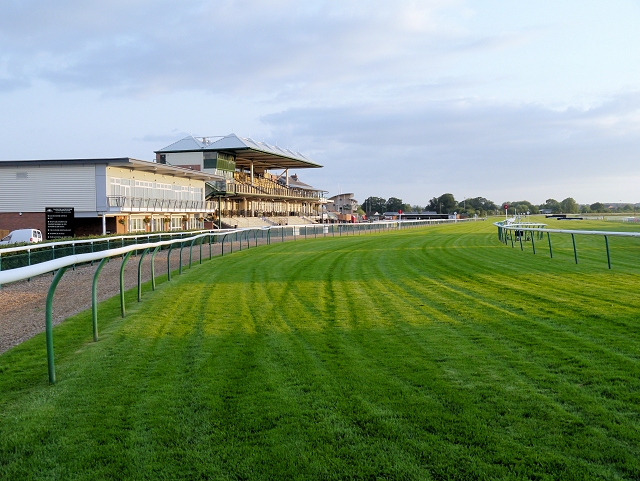

Warwick and Kempton Racing: Expert Weekend Preview
This expanded preview complements the race-by-race notes already on the page and focuses on form, ground, market context and sensible betting approaches for the big cards at Warwick and Kempton. Please note that all betting is for those aged 18 or over and should be undertaken responsibly.
Form, Ground and Market Factors to Consider
When assessing the cards at Warwick and Kempton this weekend, place particular weight on recent form in similar ground and over comparable trips, as soft or heavy going can dramatically change finishing patterns. Markets will react as official going reports and non-runners are declared, so use bookie comparisons to judge value rather than relying on headline odds alone.
Warwick course and conditions: soft to heavy
Warwick tends to exaggerate stamina tests when the ground is soft, often favouring horses who race prominently and can handle a persistent gallop over three miles. Horses dropping back in trip after poor runs on testing ground should be treated with caution unless their recent work and jockey bookings strongly suggest otherwise.
Course bias and draw considerations at Warwick
On heavy ground the race can become attritional and inside or outside draws can matter less than jumping reliability and a consistent pace set by the leaders. Examine each runner’s recent jumping and late-finishing figures rather than relying on one good win on a different surface.
Hampton Novices and staying chase performance trends
The Hampton Novices’ Chase often highlights future staying chasers, so look for horses that stayed on strongly over two and a half miles before stepping up and those that have handled soft going in their schooling and point-to-point form. Apple Away’s step up to three miles makes tactical sense given her recent staying performance, and similar profile runners should be graded by stamina evidence rather than headline ratings.
Grey Dawning and Broadway Boy bring different profiles to the race and form lines between two-and-a-half miles and three miles are not always straightforward, so split-second finishing positions can hide significant stamina or speed differentials. Punters should assess sectional times where available and prefer runners with a clear stamina pedigree for conditions described as soft or heavy.
Classic handicap chase strategies for heavy ground
Handicap chases run in testing conditions often see well-handicapped, consistent performers outrun their marks, so look beyond raw rating and consider how a horse handles mud, wind and an orthodox gallop; Beauport is worth special note when soft ground should play to a staying profile. Owners and trainers who have aimed horses at marathon trips often produce form for these races, and recent performances over long distances should carry extra weight in assessments.
Keep an eye on horses that have run in the National-type contests such as the Becher or London National as they commonly translate to similar conditions, but beware horses that peaked for one big target earlier in the season and show a clear drop in looks and finishing spark. Using bookmaker markets to check where money goes on the morning of the race can help identify market moves, but avoid overreacting to late money without a clear reason.
Kempton safety, speed and trip implications today
Kempton is a testing track that rewards a clean round of jumping and a strong finishing effort, especially in Grade Two company where pace can be genuine and the top class rivals will merge late in the race. Banbridge’s preference for sounder ground would normally be a concern, but with the track holding up it becomes a positive and shifts the focus to how the likes of Edwardstone and Pic D’Orhy will settle when stepping up in trip and tempo.
Consider horses who have run competitively at Kempton before as they often act predictably on the unique surface and galloping nature of the track, while last-minute trainer or jockey changes can signal confidence or caution from the yard. A reverse forecast approach in Grade Two showdowns can reduce exposure when several proven Grade One performers meet and the result may hinge on which one handles the specific trip adjustment best.
Kempton speed maps and race shape predictions
Speed maps for Kempton contests should factor in who likes to lead on the flat, how the fences fall through the race and where the best ground is likely to be on the day, with heavy drizzle sometimes creating a racing line bias. Plan bets with the race shape in mind rather than backing horses on name value alone, particularly when in-running options are available for those wanting to adjust positions as the race develops.
Ryanair picture and how Kempton form translates
The Ryanair picture often hinges on whether horses can transfer form from shorter, sharper staying tests to Kempton’s more even gallop, and the Grade Two at Kempton offers a useful guide to likely contenders at the major spring festivals. Watch for patterns where horses step up in trip with clear stamina indicators on pedigree and past performances, as those tend to be the ones that improve through the season.
Market movements in the run-up to major festivals are frequently led by trainers’ declarations and stable form, so tracking where money originates and which jockeys are booked offers insight into expected readiness. Use price comparison tools to establish where value is offered across bookmakers, and remember that small differences in odds can compound across multiple bets.
Brown Advisory Chase: key angles to assess runners
The Brown Advisory is an event where preparation, festival form and recovery from previous exertions are decisive; look for horses who have run competitively at the festival before and whose recent prep shows a steady build. Runners who have had a lighter campaign and been schooled for a festival-type test often bring the necessary freshness and experience to handle testing finishes against quality fields.
Consider trainer patterns: some yards target the Brown Advisory with specific entries and schooling sessions that prepare horses for the unique demands of the race, and those targeted runners can often out-perform their odds. Avoid over-playing a single form line and instead collate a shortlist based on pace, jumping, stamina and current fitness indicators.
Trainer form and jockey bookings to monitor closely
Jockey bookings and recent trainer strike-rates at Warwick and Kempton are useful indicators of confidence and should be factored into any assessment, but they should not replace a holistic appraisal of each horse’s profile and conditions. Top yards with strong recent runs at the track can tilt the balance in tight decisions, yet always cross-check that choice with the ground, trip and the most recent competitive run.
Look for strategic use of claiming or inexperienced conditional riders in handicaps as these can represent a deliberate attempt to reduce a horse’s racing weight and find extra improvement on heavy going. Where a stable sends a recognised ‘first-string’ rider to a big contest, it often signals a stronger chance; blend that information into value-focused staking rather than using it as the sole reason to bet.
How bookmakers adjust odds for soft going and rain
Bookmakers react to official going reports, on-course feedback and early market money, which means odds can contract quickly for horses proven on soft or heavy ground, while those vulnerable to sticky turf will drift as the rain falls. Price comparison across operators helps spot where disagreements over a horse’s ability to handle the conditions create potential value, but avoid chasing odds purely because they are different without an underlying reasoned view.
Understand that smaller bookmakers sometimes lead the market initially when local traders receive information from contacts, so cross-referencing prices and watching for sensible market movers gives a clearer picture than relying on a single quote. Be mindful that late non-runners and jockey switches influence market shape and should prompt a quick reassessment of bets where possible.
How to read trainer notes and vet reports before placing bets
Trainer comments, stable tours and any available vet information should be read with a practical eye — positive remarks often come with caveats and modest improvements may be described in glowing terms for marketing reasons. Always combine the trainer’s words with objective data such as recent finishing speed, wind operation reports and schooling notes to form a balanced view.
Each-way strategies and stake management for long races
In marathon handicaps and big-limit handicaps the each-way market can offer sensible exposure if the race looks competitive and many of the field have shown staying aptitude, but set stakes carefully and avoid over-banking on long-priced chances without supporting data. A tiered staking plan that reduces exposure in extreme-weather cards and increases emphasis on horses with proven mud form is a prudent way to approach heavy-ground betting.
Use unit-based stakes to keep records clear and to evaluate performance over time, resisting the temptation to “chase” losses after a cold run of results; long-term success in racing comes from discipline, not short-term escalation. If you choose to follow tips or markets, consider splitting stakes across win and each-way or using smaller multiple bets to preserve bankroll and manage variance.
Managing stakes, records and responsible play reminders
Keep a simple betting record that lists stake, odds, outcome and rationale so you can learn from both wins and losses and refine your process over time rather than relying on memory or impulse. Remember that betting should never be viewed as a way to solve financial problems and if gambling causes harm to you or others you should seek help via recognised charities and support services.
Please note: 18+ only and always gamble responsibly; if you are concerned about your gambling, seek independent advice. You can explore current bookmaker offers through our comparison tools if you choose to bet responsibly and without pressure, and you may find it useful to compare odds before placing any wager.
For a quick look at our recommended bookmakers and the latest new-customer offers, see our free bets comparison at BestOfBets free bets. If you are interested in casino welcome bonuses, details of current affiliated casino offers are listed at BestOfBets casino bonus.
Is betting at Warwick and Kempton suitable for beginners?
Beginners can enjoy these meetings but should start with small stakes, focus on learning form and market dynamics, and avoid complex multiple bets until they understand race patterns. Remember that betting is for those aged 18 and over and should be treated as entertainment rather than a way to make money.
What should I watch for in soft or heavy ground races?
Look for horses with proven form on similar going, evidence of stamina in their recent runs and trainers who regularly send out mud-loving performers. Avoid horses who have struggled previously in testing conditions unless there are clear signs of a change in preparation or equipment.
How do I compare bookmaker odds responsibly before betting?
Use price-comparison tools to view odds across multiple operators and consider where the market disagrees, which can indicate value or insider confidence. Do not stake more because a price looks slightly bigger; instead, check the underlying form and adjust stakes according to a sensible plan.
Can I follow in-running markets on these jump meetings?
In-running markets are useful for assessing how a race is developing and can offer opportunities to back horses that travel well late on, but they move quickly and require discipline and focus. Only use in-running bets if you are comfortable with rapid decisions and have funds allocated specifically for that style of play.
What is a sensible staking plan for long distance chases?
Set a unit size and limit exposure per race to a small percentage of your bankroll, favouring conservative each-way or smaller win stakes in competitive heavy-ground handicaps. Regularly review results and reduce stakes if losses exceed predetermined thresholds to protect the overall bankroll.
Where can I find bookmaker offers for new customers?
We list top bookmaker promotions on our free bets page, where you can compare welcome offers and sign-up incentives in one place; always read terms and conditions before claiming. Remember that offers are for customers aged 18 and over and that they should not be relied on as a route to profit.