

Weekend Racing and Phoenix Stakes Preview Guide
Four Races To Follow Across UK And Ireland Today
Curragh Phoenix Stakes Analysis And Form Notes
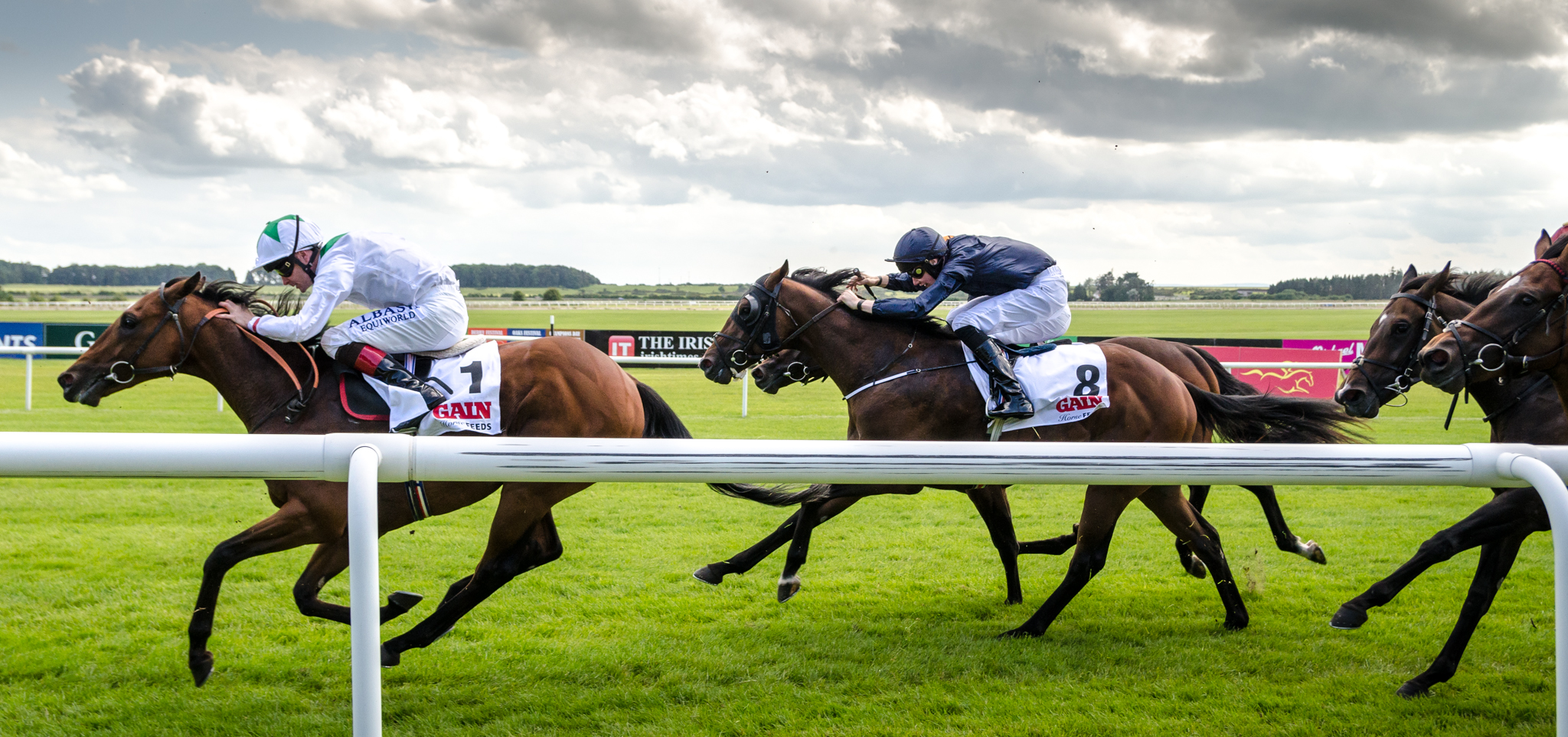
The Phoenix Stakes at the Curragh is a tight Group One contest where Babouche and Whistlejacket command attention but small form nuances can decide the outcome; study each horse’s sectional times and recent finishing speed to separate genuine improvement from favourable draws. Consider the pace scenario and whether a horse like Babouche, who finished strongly last time, will find the same clear passage over six furlongs on firm ground.
Watch for late market shifts as trainers and jockeys confirm race strategies, and remember that juvenile form can frank quickly when rivals subsequently perform well at listed or Group level; keep an eye on confirmations and any non-runners that alter the race shape.
Haydock Card Highlights And Key Horses To Note
The Rose of Lancaster and the Dick Hern offer contrasting tests with Anmaat expected to handle the step up in class and Choisya arriving with a record that suggests she prefers quicker ground, so factor in each horse’s proven surface and time since last run when assessing value. Trainer angles matter at Haydock where fresh horses from top yards often perform well, so check for known patterns such as Burrows and the Crisfords targeting specific seasonal targets.
Also consider draw and stall bias over specific trips at Haydock, plus jockey bookings that reveal riding plans; a change in pilot can indicate confidence and alter market perception, which is useful information for informed selections without forcing stakes.
Newmarket Sweet Solera Preview And Trainer Insight
Lake Victoria carries the form-line credibility of a maiden winner who has already provided form that has been proven by others, and pedigree and trainer placement underlines how Newmarket’s fillies’ contests often reveal future pattern performers; examine entries for signs of progressive two-year-olds who will relish Newmarket’s stiff finish. Trainer O’Brien and his contemporaries typically run relatives or siblings with a view to gradual improvement, so cross-referencing family performance on similar tracks adds context to raw form lines.
Assess whether the step up to Group Three level suits a filly’s racing style and avoid overvaluing debut wins without corroborating timeform-style evidence, while keeping an eye on market confidence which may indicate stable assessments ahead of race day.
Horse Form, Ground Preferences And Bet Selection Tips
When building selections across these meetings, weight recent form and ground preference more heavily than a single standout performance on an atypical surface, because a horse’s proven ability to handle good-to-firm or soft going will materially affect finishing positions over sprint and middle distances. Use formbook clues such as margin of victory, level of opposition, and how a horse finished its race to judge whether improvement or regression is likely under the day’s conditions.
Combine those observations with trainer patterns and jockey bookings to produce reasoned selections, and view odds movements as information rather than instruction; late shortening can be meaningful but also noisy, so cross-check volume and timing of support before adjusting your stance.
Interpreting Recent Runs, Speed Figures And Class
Speed figures and class drops or rises provide a framework to compare rivals from different races, but treat numbers as a guide and not an absolute; look for consistency rather than a single peak effort when forecasting reliable performances at Group and Listed levels. Evaluate whether a recent win came against genuine opposition or whether rivals subsequently improved, which helps in judging how much weight to give a form line.
Jockey And Trainer Form Trends For This Meeting
Jockey bookings often telegraph plans and confidence, and top pilots who have a record at a particular track deserve extra attention because their local knowledge can turn a marginal chance into a competitive one; where a leading jockey takes a ride for a trainer in good form, that pairing is worth monitoring in the market. Trainers with a track record in specific contests, like those who target the Phoenix Stakes or Rose of Lancaster, commonly arrive with a tactical plan and therefore may present value when their horses are reasonably priced.
Keep a simple ledger of recent trainer strike rates at similar meetings and over comparable trips, and use this to temper enthusiasm for horses with attractive but isolated form lines.
Comparing Odds, Value And Market Movements Today
Shop around across reputable UK bookmakers to identify differences in pricing and to spot value, as even small disparities can improve long-term returns when staking sensibly; check for enhanced places or each-way terms on listed races that can make an each-way approach more attractive without increasing downside risk. Remember that markets reflect public money and bookmaker liability management, so sudden shifts can indicate backers with inside knowledge but can also be caused by media attention or heavy accumulation on a single outcome.
For disciplined play, set pre-defined value thresholds and avoid chasing markets after a day of activity, keeping selections grounded by a consistent approach to odds evaluation.
How Ground Conditions Affect Each Horse’s Chance
Ground is a major variable and tends to separate horses whose pedigrees or previous form show a clear preference for soft, good or firm surfaces; when a horse switches conditions, treat its previous form with caution and look for corroborative runs on similar going. Map each runner’s past performances to the forecasted ground and adjust expectations accordingly rather than relying on headline form alone.
Reading Racecards: Key Data To Prioritise Today
Focus on variables that consistently influence outcomes: recent form, distance suitability, ground history, draw and trip-specific strike rates for jockeys and trainers at the track in question, and any noticeable equipment changes such as blinkers or a tongue-tie. Summarise the key indicators for each race before the off so decisions are informed rather than impulsive, and document why each selection meets your criteria to improve learning over time.
Avoid overcomplicating racecards; prioritise reliable, proven data points and treat novelty factors or media hype as secondary unless supported by clear evidence from stable patterns or posted workout reports.
Each-Way Strategies For Competitive Listed Contests
In tight listed races like the Dick Hern, an each-way approach can be sensible when prices for credible horses are generous and the race lacks a dominant favourite, but restrict exposure by selecting horses with clear chances based on form and ground. Use bookmakers’ place terms and compare each-way percentages to determine whether the potential return justifies the stake, and avoid expanding stakes just because a horse offers a tempting price.
Allocate a small portion of your bankroll to speculative each-way plays while maintaining a core set of conservative selections based on robust form metrics and trainer consistency.
Responsible Betting Advice And Age Restriction Notice
This content is intended for readers aged 18 and over and is for informational purposes only; if you choose to bet, please do so responsibly and within your means. If you feel your gambling is becoming a problem, seek support from organisations such as GamCare or use bookmaker self-exclusion and deposit limit tools to manage activity.
In-Play Opportunities And Caution For Novice Punters
In-play betting offers dynamic opportunities but also increases the pace of decision-making, so novice punters should approach live markets with caution and pre-defined limits to avoid impulsive stake increases after a race has started. Use in-play primarily to adjust positions based on clear data, such as a confirmed early pace collapse or a notable gear change, rather than chasing perceived lost opportunities.
Set strict loss tolerances and time limits for live activity to reduce the risk of financial or emotional decision-making that contradicts your initial plan.
How To Track Market Movers And Late Odds Shifts
Monitor smart-money indicators: large bets on a single horse across multiple firms, shortening across the board, or stable confirmations can suggest a meaningful change in expected outcome, but always corroborate with race-day information such as non-runners or hindrance reports. Avoid overreacting to media-driven moves and focus on whether changes are sustained and replicated across multiple books which can indicate genuine support rather than short-lived spikes.
Use odds alerts and record why you act on a market move to build discipline and improve future decision-making rather than relying on instinct alone.
You can explore current bookmaker offers and compare free bet promotions and terms responsibly at BestOfBets free bets page to see which sites match your preferences and responsible gambling needs.
For those also interested in casino promotions, responsibly review the current casino bonus offers and terms on BestOfBets casino bonus page if you choose to participate in casino gaming.
Frequently Asked Questions About Today’s Races And Betting
Can I Use These Tips To Inform My Betting Decisions?
Yes, the commentary is intended to inform your own research and selections; use it alongside your own reading of form and market data and do not interpret it as financial advice. Remember that all gambling carries risk and you should only stake what you can afford to lose.
Are Odds Comparisons And Offers Shown Here Independent?
We present comparisons and highlight common bookmaker offers as part of editorial analysis, and readers should verify terms directly with each operator before engaging. Any affiliate relationships are disclosed on the site and our aim is to provide transparent information to aid comparison rather than to promote specific outcomes.
What Should I Consider About Ground Conditions Today?
Ground can significantly influence the result, so prioritise horses with proven ability on the forecast surface and check for late weather updates that could change conditions. If unsure, favour horses with versatile records or consistent form across differing surfaces to reduce exposure.
How Do Trainer And Jockey Statistics Influence Picks?
Trainer and jockey combinations often reflect planned strategy and historical success, and tracking recent strike rates helps identify reliable partnerships without overstating a single metric. Combine those statistics with tangible form and course-specific records to form a balanced view.
Is There Guidance For Responsible And Safe Betting Here?
Yes, this page promotes responsible gambling and is for readers aged 18 and over; we encourage limits, self-exclusion options and seeking support if gambling causes harm. If you have concerns, reach out to professional support services and use bookmaker tools to manage your activity.
Where Can I Compare Bookmakers And Free Bet Offers?
Our free bets comparison page lists popular offers and terms to help you compare options responsibly; always read the full terms and conditions and consider the playthrough and wagering requirements before claiming any promotion. Use comparisons to find offers that suit your preferences rather than chasing bonuses as a reason to bet more.