

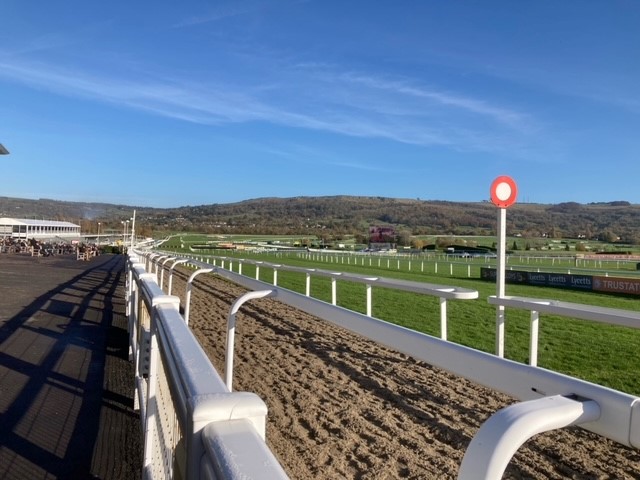

Cheltenham, Doncaster and Newbury weekend preview
This expanded guide complements the race-by-race notes above with practical pointers for readers tracking Cheltenham, Doncaster and Newbury on Saturday.
It focuses on form interpretation, betting strategy and responsible play for those looking to follow the big cards across jumps and Flat racing.
How to approach Saturday’s top races responsibly
Always remember that betting is for adults only — 18+ only — and should be treated as entertainment rather than a way to make money.
Set affordable stakes, check bookmaker rules, and use tools like deposit limits and self-exclusion if needed to stay in control.
Key traits to consider for Cheltenham handicaps
How to assess front-running chances at Cheltenham
Cheltenham often favours horses that race prominently, particularly on quicker ground where leaders can control the tempo.
When a horse has shown consistent front-running form, check its first-time-out record and whether it handles the undulations of the track.
Interpreting form lines and recent course wins
Course and distance form at Cheltenham can be a strong guide because unique track configuration rewards experience.
Give extra weight to recent course wins and run styles that translate to the larger, testing fences at the meeting.
Doncaster Futurity: form and ground considerations
Choosing markets: win, each-way and place terms
In a top-level juvenile contest like the Futurity, consider each-way markets where available, especially if a favourite faces an unknown on turf.
Check bookmaker place terms before committing, and prefer firms with clear and fair each-way conditions.
For Doncaster’s Group One, inspect how horses have previously coped with soft or heavy going, as that can be decisive.
Newbury juvenile prospects to note on heavy ground
What to look for with two-year-olds on testing ground
Juveniles that have already shown a preference for soft or heavy racing deserve extra attention at Newbury when the rain arrives.
Breeding and trainer patterns are useful indicators; some sires and yards regularly produce early-season heavy-ground winners.
Betting strategy: stakes, value and bookmaker choice
Managing stakes and identifying genuine value bets
Divide your available stake into small, planned bets to avoid emotional staking after losses or wins.
Value is subjective but look for odds that reflect realistic improvement, course form or favourable ground rather than hype.
Using bookmaker comparisons and free bet offers carefully
You can explore bookmaker comparisons to find the best terms for markets and promotions, but treat offers as optional extras, not incentives to overspend.
Read wagering requirements and always prioritise firms regulated in the UK for consumer protection and fair play.
Practical race-day checks for form and fitness
How to read recent runs and trainer form
Look for progressive runs and trainers who target these fixtures; a yard with a clear plan is more likely to produce a competitive runner.
Also note any headgear changes, jockey bookings and any late declarations that might alter a horse’s chance.
Considering weights, handicaps and improvers
In handicaps the weight a horse carries relative to recent performances is central; small weight drops can be significant at Cheltenham.
For Doncaster and Newbury, consider whether a horse is stepping up in grade and how that might test its current mark.
Market timing and when to place bets
When to take early prices versus waiting for later moves
Early prices can offer value if you believe the market will shorten, but waiting can reveal public sentiment and late information.
Use early markets for speculative each-way bets and hedge with or replace tickets nearer the off if information changes.
Risk management and responsible tools to use
How to set limits and avoid chasing losses
Set time and money limits before you bet and stick to them; chasing losses is a common route to stress and overspending.
Use bookmaker tools such as deposit limits, reality checks and loss limits to keep betting within safe boundaries.
Applying these tips to the featured selections above
When considering Broadway Boy, Hyland, Wimbledon Hawkeye, Yaroogh and others noted earlier, combine course form with ground preferences and trainer confidence.
Assess whether a horse’s profile (front-runner, improver, heavy-ground specialist) matches the conditions on the day before backing it.
How weather and going reports change strategy
Interpret official going reports and micro-changes
Small changes in the going — from good to good-to-soft, or good-to-firm — have different impacts across the cards, especially for heavy-ground horses at Newbury and Doncaster.
Check multiple sources for going updates and factor those into your market selection and stake sizing.
Responsible follow-up: record keeping and review
Keeping a simple betting record for learning
Maintain a short log of bets placed, stakes, prices taken and the rationale to improve future decision-making and avoid repeating mistakes.
Review bets weekly to understand where your strengths and weaknesses lie across jumps and Flat markets.
If you choose to use bookmaker promotions, remember they should never be a reason to bet more than you can afford, and always check T&Cs.
BestOfBets provides comparisons of bookmaker offers so you can make informed choices and find firms with favourable terms and strong UK regulation.
For information on available free bet deals you can consult our free bets page for comparisons of current bookmaker welcome offers and terms.
For readers interested in casino offers we list current casino bonus options on our casino bonus page for those who want to compare responsibly.
Frequently asked questions about the weekend cards and betting
Do I need special knowledge to bet on Cheltenham handicaps?
Basic knowledge of form, ground and jockey/trainer combinations is useful, but many fans also follow course form and recent run style to make informed choices.
Always bet within your limits and avoid over-reliance on single factors; handicaps typically require a balance of multiple considerations.
How much should I stake on Group races like the Futurity?
Stakes should be proportionate to your bankroll and personal limits rather than the race grade; top-level races attract attention but not higher recommended stakes.
Consider smaller, planned stakes on Group races where outcomes are less predictable due to varied form lines.
Are soft and heavy going decisive at Newbury for juveniles?
Yes, two-year-olds can be significantly affected by soft or heavy ground, so favour horses with proven form on such surfaces or breeding that suggests stamina.
Always check recent runs on similar going and trainer tendencies with youngsters in testing conditions.
What markets are best for uncertain fields with improving horses?
Each-way or place markets can provide value where a reliable favourite is not obvious and several horses look progressive.
Look for bookmakers offering generous place terms and compare across firms before placing an each-way bet.
How do I use bookmaker free bets responsibly?
Free bets should be used only when you would already consider a wager and after reading the wagering requirements and withdrawal conditions.
Treat promotions as optional extras and avoid increasing your normal staking purely to meet offer conditions.
Where can I check official going and declarations on race day?
Official going and declarations are published by the racecourse and by major racing media; cross-check these sources for the latest information.
Late jockey changes and non-runners can materially affect market values, so review race cards close to the off.
What responsible gambling tools should I use when betting?
Use deposit limits, time-outs, self-exclusion and reality checks offered by regulated UK bookmakers to manage your activity safely.
If you feel betting is becoming a problem, contact support organisations in the UK for confidential help and guidance.