

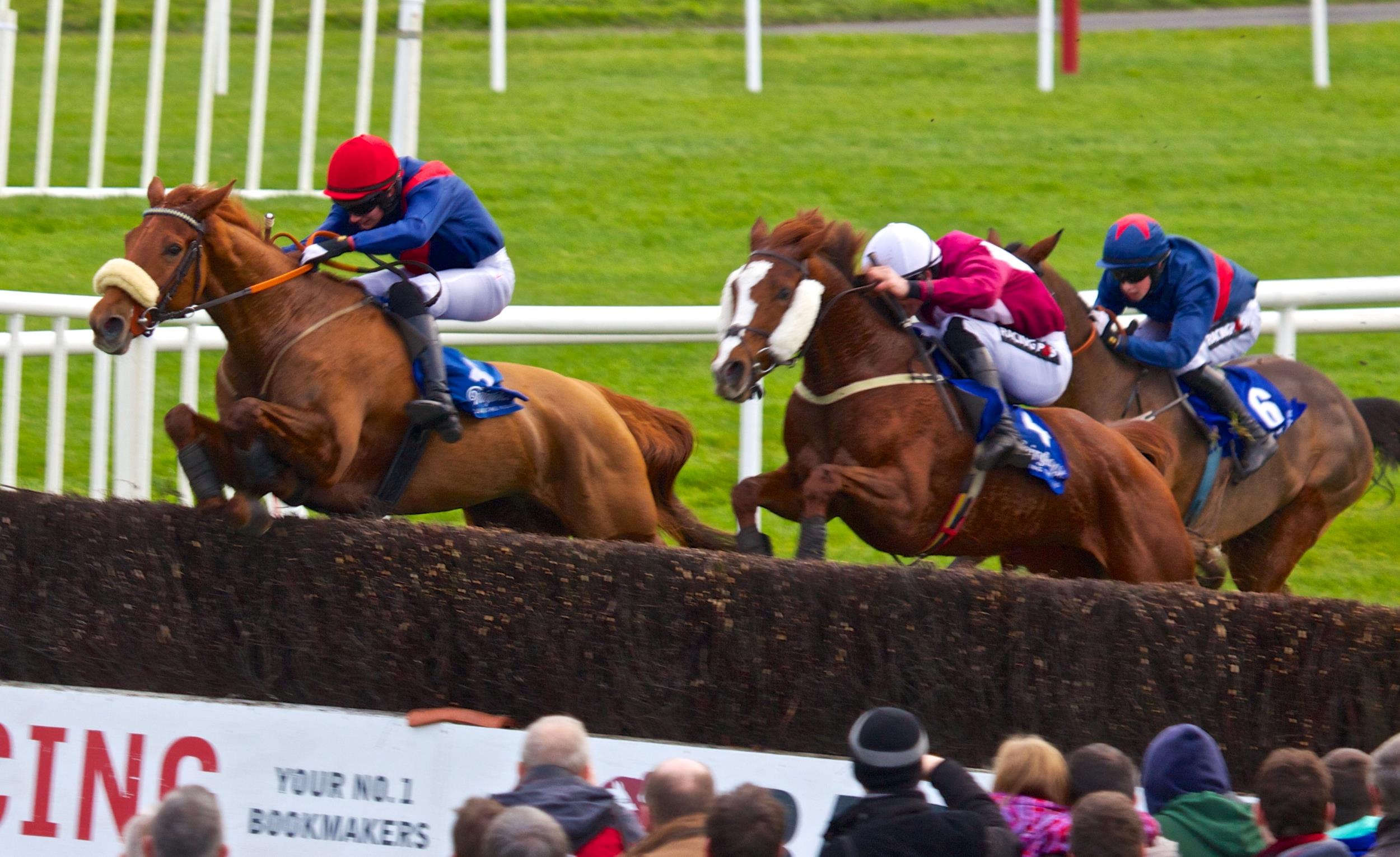

Leopardstown Dublin Racing Festival Tips Guide
Key Runners, Form Notes and Betting Angles
The Dublin Racing Festival at Leopardstown is a crucial late February meeting that often provides the clearest pointers for Cheltenham entries and race fitness for both novices and stayers. This guide focuses on the runners named above and expands on race context, trainer patterns, and practical staking approaches to help readers make informed, responsible choices.
Why this meeting matters for Cheltenham formline
Leopardstown’s late-winter ground and top-quality fields mean performances here often translate well to the spring festivals, so strong showings should be read with Cheltenham entries in mind. Trainers use this fixture to confirm stamina, schooling and jumping under pressure, which makes recent form here especially relevant when assessing horses such as Predators Gold and Joyeux Machin.
Assessing novice hurdlers for staying potential
When assessing novices for staying hurdles, look for how a horse finishes races over two miles and whether connections have chosen to step them up by way of schooling and patience, as is the case with Predators Gold. Horses that stay on strongly and handle testing conditions tend to be the ones who progress over three miles and compete in the top staying novice division later in the season.
Interpreting recent runs and Leopardstown form
Recent runs should be weighed against ground, race tempo and the strength of the opposition; a close second in a Grade 1 on heavy ground can be more informative than a facile win in a weak contest. For example, Predators Gold’s runner-up effort to Caldwell Potter under attritional conditions shows he handles pressure and depth, which matters when projecting future targets.
When a switch from fences back to hurdles helps
Returning from chasing to hurdling can rejuvenate a horse if the distance or obstacles better suit its natural action, and Joyeux Machin’s history over hurdles plus a recent spell over fences makes him an interesting case for a switch back. Trainers will typically revert to hurdles when they believe a horse’s jumping rhythm or speed over obstacles suits the smaller obstacles, so monitor explanations from yards before placing stakes.
Trainer patterns, jockey bookings and market moves
Trainer form cycles and jockey choices can be subtle but powerful indicators; elite yards often have clear plans and the market reflects insider confidence through early movements. Paul Townend’s handling of Predators Gold and the choice of jockeys on other key runners should be considered alongside betting trends to understand confidence levels without assuming a guarantee of success.
Reading the handicap marks and weight claims
Handicap marks are vital for deciding value, especially in open handicaps where a small rise or fall can change the merit rating substantially, which applies to horses like The Folkes Tiara and Grey Diamond. Watch for weight claims and recent changes in official ratings that can make a horse more or less attractive for each-way support.
Detailed race-by-race context and betting angles
Breaking the card down race by race helps identify where value lies, whether that’s backing an improving novice or an older handicapper that has been primed for a specific mark. In the Leopardstown opener the case for Predators Gold is based on class and stamina projection, while the two-miler and three-mile handicaps at the meeting require different approaches to pacing and placement.
Assessing pace scenarios and race tactics
Pace makes races and can alter finishing positions dramatically; a strong early gallop can expose a horse with a weak cruising speed, while a slowly run race can favour a strong stayer. Studying likely front-runners and the presence of hold-up horses in each race gives a clearer picture of whether a horse like Grey Diamond will be afforded the running room to use a late turn of foot.
Small-stakes strategies and sensible staking plans
Adopting a sensible, small-stakes plan is the most sustainable approach to race betting; choose a percentage of a predetermined bankroll and stick to it for the meeting rather than increasing stakes after a win or loss. Small multiples, single stakes with each-way coverage, and limiting bets to races where you have a clear edge help control volatility and keep the activity recreational.
How to size each-way and single bets responsibly
Each-way staking can be a pragmatic way to profit from longer-priced chances without risking the full stake on a win-only approach, but the number of places paid and bookmaker terms must be checked before placing any bet. For seasoned punters, reducing stake size on short-priced favourites and increasing exposure slightly on genuine long-shot each-way chances gives a balanced exposure across the card.
British runners at Sandown and how they compare
The Sandown Grade 1 card provides a useful cross-check on form as several UK-trained runners bring form that can be measured against the Irish contingent at Leopardstown. Horses such as Hermes Allen and Transmission warrant separate consideration; Hermes Allen’s form in the Kauto Star is strong form to carry back to two-and-a-half miles, while Transmission’s maiden hurdle form links him to domestic rivals and suggests a lenient mark.
Comparing cross-border form and race fitness
Comparative form between UK and Irish runners requires assessing the standard of the races and the ground on the day, as some performances travel better than others when conditions change. Trainers often use meetings like Sandown to sharpen fitness and to target specific handicaps or Grade 1 events, so studying the intended target and recent prep runs is crucial for value identification.
How Cheltenham implications affect betting decisions
With Cheltenham in view, connections may use Leopardstown to finalise entries and confirm suitability, which can both shorten and lengthen markets in the run-up to the Festival depending on outcome. Punters should treat Leopardstown runs as evidence but avoid treating them as certainties for Cheltenham days, accepting that conditions and competition will differ.
When to treat Leopardstown form as a Cheltenham pointer
Treat Leopardstown as a pointer when a horse wins impressively, shows marked improvement or confirms a step up in trip that matches likely Cheltenham targets; such performances tend to carry weight in subsequent ante-post markets. Conversely, one-off poor runs or tactical mismatches should be treated with caution and not automatically as disqualifying evidence of future failure.
Market watch: where value is most likely to appear
Value often appears in races with open handicaps or where a lightly-raced novice steps up in class but has shown underlying speed or stamina in previous starts, such as Predators Gold’s case over staying hurdles. Monitoring early exchanges, bookmaker limits and lay markets can reveal where the market has overreacted to recent headlines rather than underlying form.
Practical pointers for reading form on raceday
On raceday, focus on non-result information such as warm-up behaviour, connections’ demeanour, ground reports and any late declarations that change race dynamics. These practical clues can refine pre-race selections and should be used to confirm or alter small-stakes plans rather than to impulse-bet.
Responsible gambling, age limits and safe play advice
Betting should be for entertainment and is open only to people aged 18 and over; if you are 18+, always gamble responsibly and within an amount you can afford to lose. If gambling stops being fun, consider setting deposit or time limits, using self-exclusion tools or seeking help from recognised support organisations.
You can explore bookmaker comparisons and current sign-up free bets on our free bets page if you choose to bet responsibly: https://bestofbets.com/free-bets.
For casino bonus information and offers from our partners, see our dedicated casino bonuses page here: https://bestofbets.com/casino-bonus.
Common questions on Leopardstown meeting and betting
Which Leopardstown races point to Cheltenham prospects best?
Staying novice hurdles and Grade 1 two-mile events at Leopardstown often provide the clearest evidence of Cheltenham potential, as they test both class and stamina under conditions similar to those at Prestbury Park. Look for horses that win with authority or improve markedly, bearing in mind that festival preparations may still change in the weeks that follow.
How should I treat a horse switching from fences to hurdles?
A switch can be positive if the horse shows a more natural action over hurdles and lacks the scope or balance that chasing demands, but check recent schooling notes and trainer comments for confirmation. Recent success over shorter trips may also suggest a renewed focus on speed rather than pure staying power.
Is a Grade 1 placing at Leopardstown reliable form?
A Grade 1 placing at Leopardstown is strong form but must be considered in context: ground, pace and the overall strength of the race are important qualifiers. Use such performances to establish class and potential, but avoid over-weighting a single run when other data points point elsewhere.
What’s the best way to size a bet for a festival trial?
Decide a fixed bankroll percentage for festival trials and stick to small, consistent stakes rather than chasing larger wins, keeping exposure manageable across multiple races and markets. Consider using smaller multiples or single stakes with each-way cover to balance upside and downside.
How much does ground affect Leopardstown form?
Ground is a significant factor; some horses improve on soft or testing ground while others need quicker underfoot to show their best, so always check official going descriptions and past performance on similar ground. Trainers will often declare with the ground in mind, which offers a clue about a horse’s true preferences.
Are larger each-way bets sensible on longer-priced runners?
Each-way bets can be sensible for genuine long-shot candidates that have shown solid form and course ability, but check the book’s place terms and limit stakes to an agreed bankroll percentage. Avoid increasing stakes after a short-term run of good luck and keep wagering structured and disciplined.
Where can I compare bookmaker odds and offers safely?
Use reputable comparison pages to check current odds and free-bet offers and ensure you read terms and conditions before accepting any promotion; comparisons help identify the best value without committing funds. Always gamble responsibly, use only licensed bookmakers and consider limits or cooling-off tools if needed.