

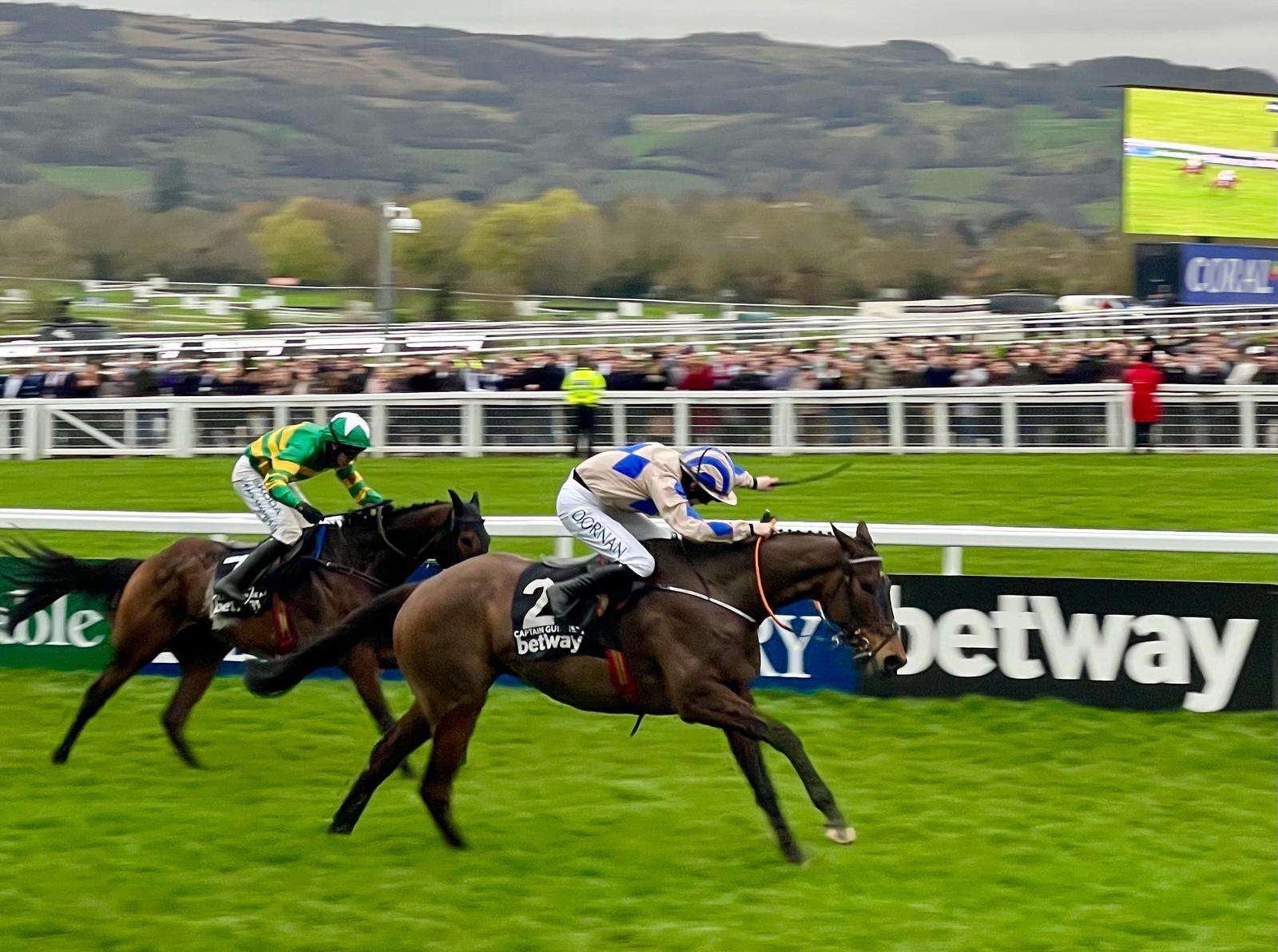

Cheltenham Festival Day Two: Expert Racing Guide
This expansion complements the existing day two preview with deeper form analysis, betting trends and practical selection advice for readers. It aims to help informed fans and bettors aged 18+ make sensible decisions while promoting responsible play.
Detailed Betting Trends and Trainer Notes
We examine recent trial form, trainer statistics and market moves to put the original tips into clearer context for the Turners, Brown Advisory and Coral Cup. This section highlights why patterns such as novice-chase form and marathon stamina matter at Cheltenham.
Why the Turners Novices’ Hurdle Matters for Punters
The Turners Novices’ Hurdle often identifies emerging staying hurdlers who can step up through the ranks in their novice season. Understanding which performances translate from Leopardstown or Punchestown to Cheltenham is essential when weighing up Final Demand and Potters Charm.
Interpreting Trial Day Runs and Course Form
Trial Day runs can be misleading when horses are using the outing for fitness rather than peak performance, so look for effort and recovery rather than finishing position alone. Compare stride patterns and late splits with past Cheltenham runs to gauge who handles the unique undulations of the course.
Trainer and Jockey Combinations to Watch Closely
Trainers who target the Festival with a clear plan often achieve a higher strike-rate than those running horses off a whim, so note where horses are coming from and if a jockey partnership has produced festival success. Stable form and jockey bookings can justify slight market support or caution depending on the combination.
Key Form Patterns in the Brown Advisory Chase Market
The Brown Advisory favours novices with a clear jumping record and proven stamina, often with strong showings at Grade Two level earlier in the season. Ballyburn’s market position reflects consistency, while Stellar Story’s profile suggests a place chance where stamina and experience over fences matter.
Using Weather and Ground Conditions in Selections
Ground can swing races, particularly over two miles and beyond, so monitor official going reports closely and adjust selections when soft or heavy ground is likely to blunt speed horses. Horses proven on similar ground at Leopardstown, Navan or Aintree should be prioritised for their proven adaptability.
How to Approach Large-Field Handicaps Like the Coral Cup
Large handicaps require discipline: identify horses with upward trends, weight-for-age allowance benefits and recent course experience. Impose Toi’s limited runs are balanced by Henderson’s judgement, and cheekpieces or other changes can signal a genuine improvement.
Spotting Trends That Help Narrow Big Fields
Trends such as recent placed form in big-field handicaps, age profile, and runs within the last 30 to 60 days can narrow options effectively. Pay attention to horses that have performed well at the track before or have stable form that teams into the Festival target races.
Strategies for Placing Each-Way Bets at Cheltenham
Each-way staking at the Festival should be selective and account for bookmakers’ place terms, which vary by market and race size. Stellar Story’s price for the Brown Advisory could offer value if the place structure is generous and the horse’s chasing form suggests a top-three finish.
Bet Sizing and Bankroll Management Guidance
Decide stakes as a percentage of a pre-allocated betting bank to avoid emotional wagering on big festival cards. Using small consistent stakes for each-way bets and bigger relative stakes for shorter-priced selections helps preserve capital and keeps betting fun.
Assessing Value Versus Favourite Bias in Big Races
Festival markets frequently favour short-priced favourites after a big seasonal performance, but value can still be found in horses dropping back in grade or improving for first-time equipment changes. Evaluate whether market moves reflect genuine form improvement or merely headline reputation.
Understanding Market Moves and Late Money Indicators
Late money can indicate insider confidence or heavy bookmaker adjustments; cross-reference market moves with stable news and declarations to assess reliability. Sudden shortening without clear form justification should be treated with caution rather than assumed value.
Cross Country and Specialist Races: Know the Peculiarities
Races like the Cross Country Chase demand a specialist profile—stamina, course experience and a jockey used to the unique fences are key. Stumptown’s position in the market reflects a record in this discipline and is best judged against previous cross country form rather than standard chase form.
How Specialist Form Differs From Open Chase Records
Ignore standard chase metrics such as standard time comparisons when reviewing specialist events; instead focus on course experience, pace handling and jumping at unusual fences. Trainers who prepare specifically for cross country events will often have methodical prep runs tailored for these races.
Practical Tips for Reading Handicap Weight and Ratings
Handicap racing at Cheltenham is nuanced; small weight changes can translate into significant on-track differences over undulating ground. Watch for horses that have dropped in the weights or have handicappers’ marks that underestimate recent improvement.
How Recent Form Should Influence Handicap Picks
Form progression is a better indicator than a single good run in a messy handicap, so favour horses showing consistent improvement across their last three starts. Horses returning from a break with a solid conditional run are often primed for a step forward under festival conditions.
Interpreting Jockey Booking Intentions and Festival Targets
Jockey choices can reveal which horses are given primary festival targets by their teams; top jockeys prioritise value rides at the meeting. Where a stable supplies multiple runners, the jockey allocation often indicates handicap or pattern race preferences.
How to Use Multiple Bookmaker Prices Responsibly
Comparing odds between bookmakers is sensible but should not drive irrational staking or chasing losses. Use comparison tools to identify best available prices and place bets within pre-set staking limits to maintain control and responsible play.
Understanding Short-Term Form Versus Career Records
Short-term form can mislead if a horse is merely returning to race fitness rather than showing genuine improvement; contrast recent runs with career-best performances. For novices, assess whether they are improving through experience or simply encountering weaker opposition in their recent wins.
Practical Festival Day Checklist for Bet Placement
Before placing any bet, confirm official declarations, check the going, review jockey changes and set stake limits aligned with your bankroll. This checklist reduces impulsive bets and supports a measured, information-led approach to festival wagering.
Responsible Gambling Message and Age Restriction Notice
This content is for readers aged 18 and over only and is intended to inform rather than promote betting. Please gamble responsibly and seek help if betting is causing problems for you or someone you care about.
How to Use BestOfBets Comparison Tools Safely
You can explore bookmaker comparisons and current offers via our tools to find suitable sign-up offers, remembering affiliate links may be present. Use comparisons to make an informed, measured choice and never bet more than you can afford to lose.
Festival Betting Etiquette for Newcomers and Regulars
Festival days are social and sporting events first; treat betting as entertainment rather than a way to earn. Keep stakes sensible and take breaks between races to reassess form and avoid emotional decisions.
Final Practical Notes on the Day Two Selections
The original selections remain sound when placed within the context of trainer intent, trial form and jockey bookings, and the expanded analysis here is designed to deepen that perspective. Use this guide alongside live race updates and independent bookmaker comparisons to finalise responsible bets.
For a list of top recommended bookmakers and their current free bet offers, you can view our free bets page for a clear comparison of new customer offers and terms. For those also interested in casino promotions, our casino bonus page lists current welcome bonuses from affiliate partners and their qualifying conditions.
Frequently Asked Questions About Cheltenham Day Two Bets
What should I check before placing a Cheltenham bet?
Confirm declarations, going, jockey bookings and any late team news, and set a stake size in line with your staking plan.
How do I manage my betting bank during a festival?
Allocate a fixed festival bank and bet a small, consistent percentage per selection to limit risk and preserve funds.
Are each-way bets a sensible approach at the Festival?
Each-way bets can be sensible when value exists and place terms are generous, but choose selections selectively and avoid broad coverage.
Can I rely on Trial Day form for Cheltenham predictions?
Trial Day form is useful but requires context; evaluate effort and recovery rather than sole finishing positions to judge readiness.
How important are jockey bookings at Cheltenham?
Jockey bookings often indicate a stable’s intended target and can influence a horse’s chances, so note notable rides and changes.
What role do ground conditions play in selection decisions?
Ground can be decisive; prioritise horses with proven form on the expected going and adjust selections accordingly.
Where can I compare bookmaker offers safely?
Use reputable comparison tools to view sign-up offers and terms, and always place bets within your responsible gambling limits.