

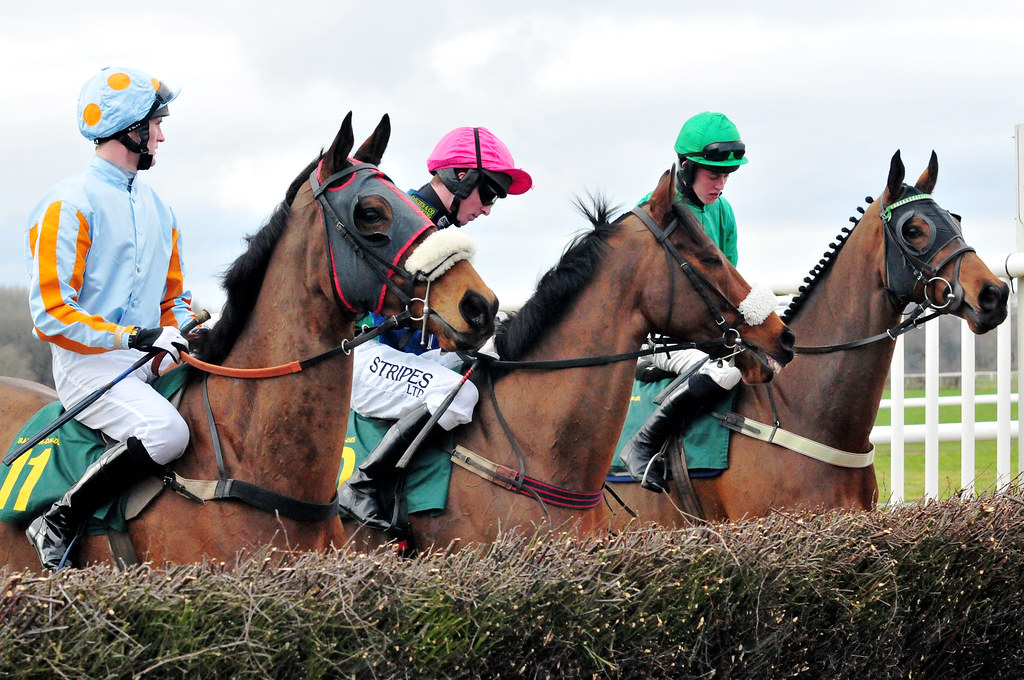

Cheltenham December Meeting: Detailed Race Analysis
Form, trends and practical betting approach for race day
This supplementary guide expands on the race previews above with practical ways to read form, interpret market signals and manage stakes across the card.
It is written for UK punters seeking informed, responsible decisions and complements the existing tips without promising returns or encouraging excess risk.
How to interpret form lines and recent runs
Evaluating previous Cheltenham performances
When a horse has run well at Cheltenham previously, note the trip and ground conditions to see if those factors recur; similar circumstances often give a clearer guide to expected performance.
Look beyond finishing position and check sectionals, margins beaten and whether the horse was travelling strongly late, as that often matters more than raw placings.
Trainer and jockey trends to consider at Cheltenham
Trainer form cycles and jockey booking effects
Small patterns such as a stable hitting form, a jockey string of recent bookings, or a specific trainer’s record at the December meeting can shift the balance when margins are fine.
Pay attention to in-form jockeys at Cheltenham; a confident booking or a local rider familiar with the course can influence finishing positions in close handicaps.
Pace, ground and race shape impact on each contest
How pace maps influence finishing positions
Establish which runners are likely to lead and which prefer to be held up, then imagine race shape on the day; Cheltenham’s undulations and fences change how pace develops.
Fast early fractions on good ground favour strong-travelling chasers and can expose horses that need a steadily run race to perform.
Bankroll discipline and sensible staking plans
Practical staking examples using sensible units
Use a fixed unit size that reflects your personal bankroll and stick to unit-based staking rather than percentage-of-bank swings after wins or losses.
Consider smaller each-way units on longer-priced selections and reserve larger win stakes for confident, well-evidenced picks to protect long-term funds.
Reading market movements and early-drinks signals
Recognising market strength and early price moves
Early shortening often reflects informed support from the market, but beware false money; check whether weights, course, or trainer notes justify the move.
Large late drifts without explanation can indicate a non-runner risk or negative intelligence, but always confirm with official declarations before reacting.
When the handicapper’s mark tells a story
Interpreting assigned weights and their impact
A rise after a win is logical, but examine whether the new mark still leaves the horse in a winnable band based on past performances and the depth of the current field.
Where horses are racing off career-high marks, assess whether improvement or ground preference offsets the added weight rather than assuming form alone.
Identifying improvers returning from a short break
Spotting improvers returning to fences from hurdles
A short break can sharpen a horse; check the September or autumn runs for fitness evidence and whether the horse showed finishing strength that typically improves with matching distance.
Transitions from hurdles to fences often produce improvers, so favour those that showed promise over fences previously or have schooling experience reported by connections.
Assessing Cheltenham-specific course form and trends
Course-specific quirks: springy fences and turns
Cheltenham rewards balance and jumping fluency; horses that handle the uphill finish and quickening bends tend to outstay others in testing three-mile handicaps.
Some runners have obvious course form and travel well round Cheltenham’s unique layout, which should be weighted more heavily than generic form at other tracks.
How to choose between each-way and win-only bets
Deciding when to back each-way or win-only
Choose each-way for larger fields where your selection has an each-way chance but not clear superiority; prefer win-only when you see a standout contender or small field.
Factor in bookmaker place terms and the quality of the field; better each-way terms make place stakes more attractive on horses with credible top-four form.
Spotting form lines that translate to better ground
How pace maps influence finishing positions
When a horse has shown strong late speed on soft ground, check its prior runs on good ground to judge whether it will hold similar finishing power or needs give in the surface.
Horses that have won on faster ground recently and previously stayed well on Cheltenham type courses can be favoured when the going is good to firm.
Using head-to-heads and recent beating margins
Head-to-head checks and finishing-margin context
Comparative form is useful — note how the horses finished relative to one another, under what tactics, and whether distances between them have tightened or widened since.
Small beating margins at big tracks can hide how close a race was; examine whether ground or trip changes materially affected those margins before drawing conclusions.
Preparing for in-running opportunities and cashouts
What to watch on the day: confirmation and checks
On race day, confirm declarations, track conditions and any late jockey or equipment changes; those details often explain market moves and final viability.
For in-running use, identify horses likely to improve their position in the second half of the race and avoid chasing value with impulsive cashouts that ignore form fundamentals.
Responsible gambling reminder and age restriction
Help and safe-play tips for UK punters and limits
Betting is for adults only — 18+. Always gamble responsibly and treat tips as information, not a source of guaranteed income or financial planning.
If gambling causes concern, set deposit and loss limits, take breaks and use support services such as BeGambleAware; never chase losses or stake money you cannot afford to lose.
Frequently asked questions about the Cheltenham guide
What should I check first when reading racecards on the day
Start with going reports, confirmed declarations, jockey changes and any equipment notes; these often explain late market moves and affect race shape.
How do I decide between backing a long-shot each-way or smaller win stake
Assess the race depth, course form and bookmaker place terms; back long-shots each-way when clear place prospects exist and use smaller win bets where you see a plausible upside.
Is trainer form at Cheltenham more important than recent wins elsewhere
Trainer form at Cheltenham is highly relevant because course-specific preparation matters, but recent wins elsewhere remain valuable when conditions match.
When is it sensible to reduce stakes after a losing run
Reduce stakes when losses exceed a preset portion of your bankroll; disciplined unit staking protects funds and keeps betting sustainable over time.
Can market support be trusted as an indicator of a good bet
Market support can indicate informed money but should be corroborated with form, course fit and trainer notes rather than treated as a sole signal.
What race types at the meeting favour improvers versus proven horses
Handicaps often favour proven form plus tactical speed, while novice chases and mares’ contests can favour improvers showing recent upward trajectories.
Where to get help if gambling becomes a problem for me
If gambling causes harm, contact BeGambleAware or use self-exclusion tools with bookmakers; seek advice early and set sensible limits on activity.
You can explore current bookmaker offers and free bets responsibly on our comparison page at https://bestofbets.com/free-bets.
For casino bonus offers, view our affiliated casino promotions at https://bestofbets.com/casino-bonus.