

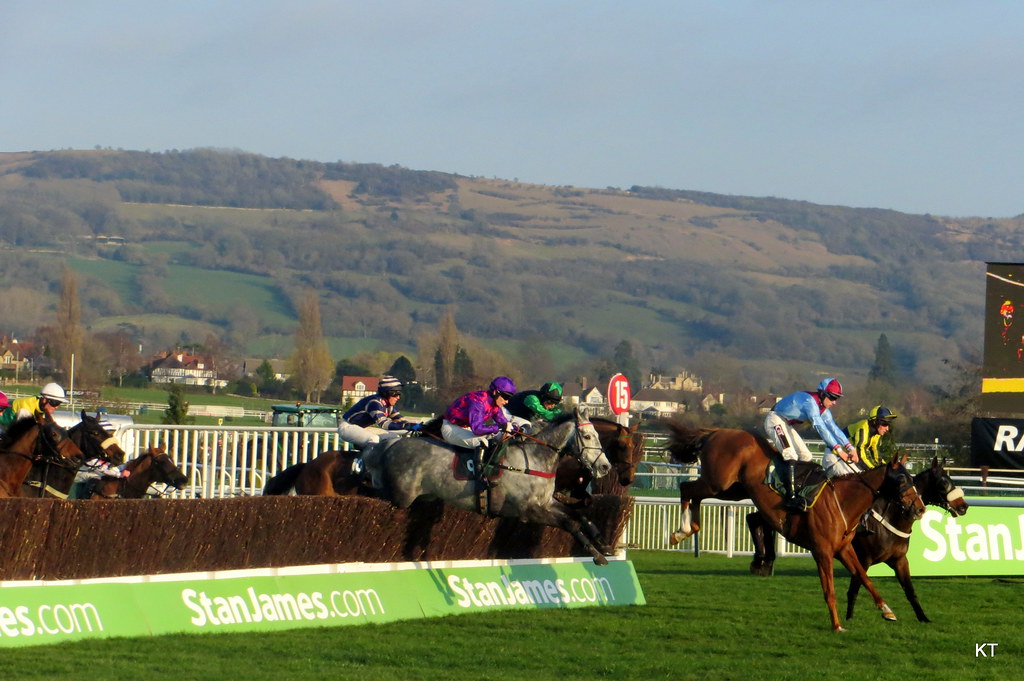

Cheltenham April Meeting Day 2 Tips & Insights
The following expansion complements the existing Day 2 preview with additional analysis and practical pointers for UK horse racing bettors. This content is for people aged 18+ and aims to encourage responsible gambling at all times.
How I analyse Cheltenham and Newmarket races today
I break each card into key components: form, ground, trip, course fit and market signals, then cross-check jockey and trainer trends. This structured approach helps identify likely improvers and well-treated runners without implying certainty.
Form indicators I value for handicaps and novices
Recent finishing positions tell different stories when viewed alongside race context, such as class and pace. A close third in a stronger race can be more valuable than a win in a weak contest, especially when the performance includes clear late gains.
Look for horses that have shown progressive runs over the last two starts and pay attention to any shifting trip distances. Novice chasers and hurdling recruits who improved when stepped up in trip often continue that trajectory at a new course.
Using sectional times and speed figures wisely
Sectional times and speed ratings are helpful when compared against the race average and course benchmarks, rather than taken in isolation. A fast finishing sectional on similar ground suggests a horse can handle a step up in trip or class.
When formlines are thin, combine speed figures with visual evidence of how the race was run, looking for horses disadvantaged by pace or traffic. These overlays often expose bettors to value that raw finishing positions miss.
Ground, trip and course: what matters most
Cheltenham’s undulations and Newmarket’s galloping nature demand different profiles, so prioritise course form when available. A horse that handles testing ground will not automatically act on quicker ground, and vice versa.
Trips can be deceptive; a horse dropping back from three miles to two miles may benefit if it has shown pace and a strong late kick. Always check for proven ability at or close to the distance on similar ground.
Reading weights, penalties and claims in handicaps
Weight shifts, recent penalties and apprentice claims materially influence handicap chances and can turn a marginal runner into an attractive option. Evaluate whether a weight drop or a claimer’s claim transforms the race shape.
A combination of a falling mark and a positive yard return is often worth taking seriously, while horses carrying penalties after a class win may struggle to confirm that form. Balance weights against documented pace and stamina requirements.
Jockey and trainer trends to follow at Cheltenham
Small-sample yard trends can be informative when they align with course and race type; for instance, a trainer who targets Cheltenham handicaps with a high strike-rate over similar trips. Monitor stable bookings and day-of jockey switches closely.
Jockeys who ride well around Cheltenham’s unique fences and undulations often extract extra performance, so a proven pilot can justify slightly inflated odds. Conversely, unproven riders at a particular track warrant caution.
How to combine preview insight with bookmaker value
After identifying likely contenders from form and trends, compare available prices across bookmakers to quantify value and shape sensible stakes. Use comparison tools to find the best available price rather than chasing marginal shortfalls.
You can explore current bookmaker offers through our comparison tools if you choose to bet responsibly and only as an entertainment expense. Avoid staking more than you can afford and never treat betting as a way to solve financial issues.
Bet sizing markets and timing for sensible staking
Sensible staking is driven by your assessed edge and confidence level; typically, small flat-staking or graded stake units suit betting on tips that have value but carry uncertainty. Record bets and review results to refine future stake sizing.
Avoid following the crowd into oversized stakes when market support builds; value often evaporates quickly and larger stakes exacerbate loss. Stick to a staking plan that preserves your bankroll and allows for variance.
How I read market moves before and in running
Market drift and shortening are signals but not proofs; sharp shortening should trigger a deeper check of late information such as jockey switches, vet reports or stable confirmations. A small, sustained move may reflect informed money, especially from sharps.
In-running behaviour reveals a horse’s immediate action and can offer fresh opportunities for trades or hedges, but in-running betting should be approached conservatively and only if you understand the race dynamics. Prioritise discipline over impulse.
Managing bankroll and sensible staking rules
Establish a separate entertainment bankroll for betting and set flat limits that you do not breach regardless of short-term swings. This ensures you can enjoy following racing without financial pressure and keeps behaviour within safe boundaries.
Reassess your stakes after meaningful gains or losses, but avoid increasing stakes to chase losses. If betting stops being fun or starts to harm your finances or relationships, seek help and pause activity.
Practical checklist before placing any race bet
Quick checks include official going, declared jockey, any late non-runners, and the best available price across bookmakers. Confirm that the staking level fits your plan and that you are betting within your limits and for entertainment purposes only.
For those who use free bet or sign-up offers, read the terms and conditions carefully and account for wagering requirements before committing to any stake. Explore bookmaker comparison tools for offers but act thoughtfully and without pressure.
Visit our free bets page to compare top bookmaker sign-up offers and see which promotions best suit your preferences and responsible staking plan. For those interested in casino bonuses, see our affiliated casino bonus listings at Casino Bonus for current welcome offers and terms.
Frequently asked questions about today’s tips
Am I eligible to use these tips and bookmaker offers?
These tips and offers are intended for people aged 18 and over only. Please ensure you meet age and local legal requirements before registering with any bookmaker.
Do these tips guarantee a profit or fix results?
No betting tips come with a guarantee and outcomes are inherently uncertain. Treat tips as informed opinion for entertainment and never rely on betting for income.
What age and responsible gambling rules apply here?
All readers must be 18+ to use betting services and we encourage responsible play at all times. If betting becomes problematic, use support services and set limits through bookmaker tools.
How should I size stakes and manage a betting bankroll?
Use a staking plan and stake only what you can afford to lose as part of entertainment spending. Adjust units conservatively and avoid chasing losses.
Can I rely on market prices and in-running movements?
Market moves are one signal among many but do not guarantee correctness. Use price movements as prompts to re-check information rather than as sole justification for changing stakes.
Where can I compare bookmakers and free bet offers?
Our bookmaker comparison pages list sign-up offers and free bets so you can compare terms and available prices. Always read T&Cs and factor wagering requirements into your decisions.
How do trainer and jockey form affect my selections?
Trainer and jockey form provide context and increase or decrease confidence in a selection when aligned with form and conditions. Prioritise consistent patterns over isolated results.