

Cheltenham Trials Day review and betting guide
Trials Day at Cheltenham often sets the tone for March and this year produced fresh talking points across two-mile and staying divisions, with performances that will alter market perceptions as the Festival approaches.
This guide expands on Saturday’s action, examining form implications, trainer and jockey signals, and how responsible punters might interpret the clues without reading too much into a single day’s results.
What Trials Day results mean for Cheltenham 2024
Trials Day is a high-information meeting but not an absolute predictor; horses can improve, regress or simply have an off day, so each performance should be assessed with context including ground, trip, and race shape.
Bookmakers adjust markets after these runs and punters should use those shifts to reassess value rather than chase headline prices, remembering that Cheltenham Festival form often has its own unique demands.
Jonbon’s Cheltenham form: concerns and implications
Jonbon’s defeat on Trials Day highlights recurring issues over Cheltenham’s hurdles and left connections with questions about his readiness for a flawless Champion Chase showing, especially against proven rivals who handle the track better.
While a top-class two-miler on paper, his tendency to be awkward over the smaller fences at Cheltenham and the recent defeat make his Festival prospects a subject for careful monitoring rather than immediate dismissal.
Assessing Cheltenham two-mile chasing prospects
Two-mile chasing at Cheltenham requires precision, speed and a willingness to jump tall, stiff fences, and form over other tracks does not always transfer directly to Prestbury Park due to its undulating contours and upright obstacles.
Punters tracking two-milers should weigh head-to-heads, jumping soundness, and course-specific statistics alongside Trials Day evidence before altering Festival staking plans.
Lossiemouth’s path to a potential festival target
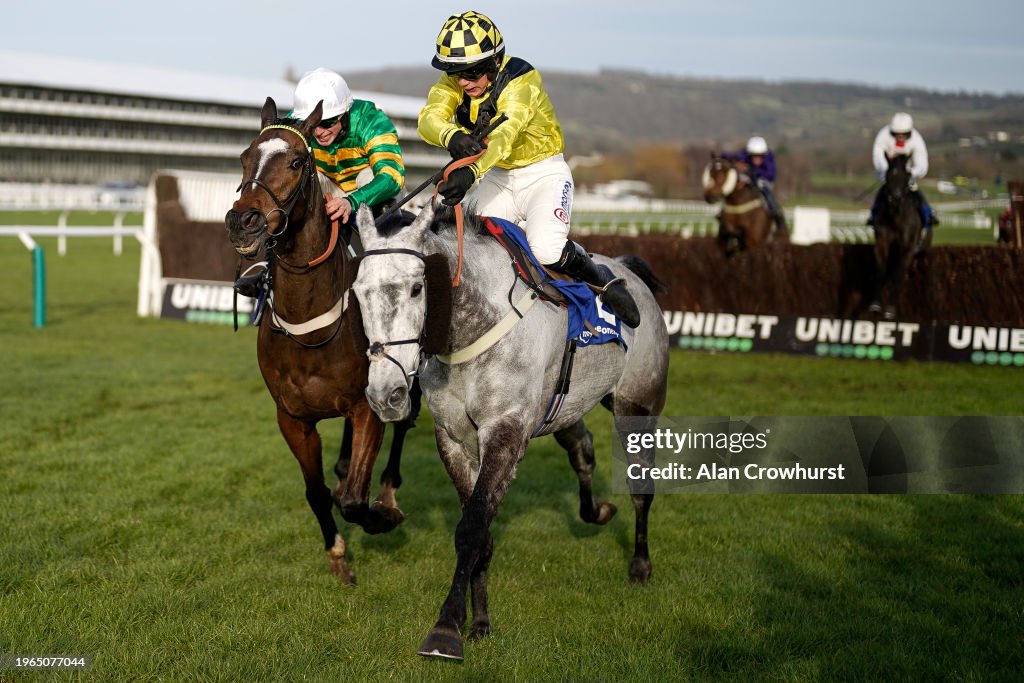
Lossiemouth’s emphatic Unibet Hurdle win moved her to the forefront of mares’ discussions, with a convincing style suggesting she can be an influence on the market if connections target the Mares’ Hurdle or consider the Champion Hurdle route carefully to avoid the standout stable favourite.
Form lines against quality mares such as Ashroe Diamond and performances on similar ground are useful guides, but decisions on which Festival contest to aim for often hinge on whether connections prefer a weighted mares’ contest or an open Championship test.
Mares’ Hurdle route and avoiding Constitution Hill
For mares with Festival credentials, the Mares’ Hurdle often presents a more realistic chance than the Champion Hurdle, especially when a dominant Champion such as Constitution Hill is in the picture, and routes are chosen to maximise potential success rather than prestige alone.
Punters should watch declared targets and any declarations close to the Festival as trainers might switch plans to avoid head-to-head clashes and seek optimal chances for their charge.
Noble Yeats and stamina tests over staying trips
Noble Yeats’ return to form over staying hurdles suggests the Grand National winner retains stamina and adaptability, and his Cleeve Hurdle performance offers a timely reminder that staying contests at Cheltenham demand a blend of stamina and tactical pace.
Stayers who can travel and pick up at the line are valued at the Festival, and trials performances over three miles or beyond give clearer signals about which horses might sustain a strong run in the Stayers’ Hurdle or other long-distance events.
Stayers’ Hurdle: options and betting considerations
The Stayers’ Hurdle typically rewards proven stamina, jumping consistency and the ability to handle a testing trip, and Trials Day winners at similar distances can see their markets shorten as a result.
However, course experience, ground preference and clashes with horses who target alternative staying contests should all be factored into any Festival staking decision to avoid overreacting to one promising effort.
How trials affect market movers and bettors’ plans
Bookmakers react quickly to Trials Day, shortening odds on impressive winners and lengthening those who disappointed, but market movement can sometimes reflect public sentiment more than long-term probability.
Savvy bettors will separate signal from noise by analysing whether a performance reveals durable improvement or a situational spike, and adjust stakes accordingly rather than chasing odds changes impulsively.
Trainers and jockey form lines to watch this spring
Trials Day often highlights trainers and jockeys who are peaking ahead of the Festival; a strong showing from a yard with Festival pedigree can elevate a horse’s chances, while a poor ride or tactical error can explain an otherwise surprising defeat.
Looking at small details such as choice of ride, tactics employed and late switches in jockey bookings provides useful context when assessing any late-market moves or targeted Festival entries.
Betting responsibly after Trials Day results and tips
If you choose to bet after Trials Day, do so only if you are 18 or older and with a clear stake plan that reflects value rather than emotion, keeping records of bets and avoiding chasing losses.
Explore bookmaker comparisons and offers as research tools rather than incentives, and consider limiting stakes on early Festival markets until confirmation of targets and running plans becomes clearer.
Practical staking approaches for Festival punters
Consider small ante-post wagers for value picks and use larger stakes nearer the Festival when entries are final and track conditions are known, remembering that ante-post bets are often non-refundable if a horse is withdrawn.
Set a budget for ante-post activity and stick to it, avoiding speculative stakes that risk more than you can afford, and seek markets that provide clear value on horses with believable claims.
Next steps for punters tracking Cheltenham form
Maintain a short list of horses you want to follow to the Festival, tracking declarations, potential target switches and any updates from trainers about fitness and ground preference.
Use Trials Day takeaways as part of a bigger picture that combines seasonal form, course history and head-to-head evidence, and consult bookmaker comparison tools to understand where you might find competitive odds if you choose to place bets responsibly.
All content here is for readers aged 18 and over and is intended to inform rather than to encourage gambling; if gambling is a problem for you, seek help from organisations such as GamCare or use self-exclusion tools provided by bookmakers.
You can explore current bookmaker offers through our comparison tools if you choose to bet responsibly and are 18 or older.
Find our top bookmaker free bet offers here: BestOfBets free bets comparison.
See available casino welcome bonuses and offers here: BestOfBets casino bonus offers.
Frequently asked questions on Cheltenham Trials Day
Q: Should I change Festival bets after Trials Day? Trials Day gives useful information but you should reassess only where the evidence materially alters a horse’s chances and avoid reactive staking that exceeds your plan.
Q: Is a Trials Day win a guarantee of Festival success? No; Trials Day wins are informative but not guarantees, as the Festival’s unique course and pressure mean form must be taken in context.
Q: How do I judge which horses improved at Trials Day? Look for signs such as faster closing sectionals, smoother jumping, and victory margins over quality rivals, alongside trainer comments and ground suitability.
Q: Are ante-post markets after Trials Day worth a bet? Ante-post can offer value for those with conviction, but remember these bets carry extra risk with non-runners and generally require careful bankroll management and discipline.
Q: What role do jockey bookings play after Trials Day? Jockey choices can indicate a trainer’s intentions and confidence, and late switches or retained rides are meaningful clues to a horse’s planned Festival target.
Q: How should I manage my stakes following Trials Day? Set a clear staking plan, limit exposure to ante-post commitments, and avoid staking more than you can afford to lose while keeping records of your activity.
Q: Where can I find responsible gambling support? If gambling is affecting you or someone you know, contact GamCare or use bookmaker support tools; all betting content is for 18+ only and should be approached responsibly.