

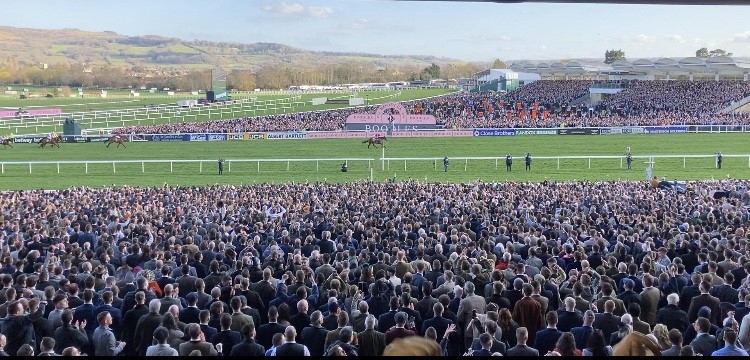

Cheltenham Festival 2026: In-Depth Race Analysis
This expanded guide complements our existing Cheltenham Festival previews by focusing on race-specific angles, market signals and practical staking guidance for major races. It is written to help knowledgeable UK punters assess value without promising outcomes.
How to approach major Cheltenham races as a bettor
Start by separating hard form indicators such as course record, ground preference and recent jumping errors from soft signals like stable buzz and market movement. Always treat betting as entertainment for those aged 18 and over and plan stakes accordingly.
Champion Hurdle and key form considerations at the Festival
With the original preview highlighting State Man and the absence of Constitution Hill, pay attention to the without-the-field market and any late non-runners, which can change the betting landscape quickly. Compare how horses have performed at Cheltenham specifically, because course form is often a better predictor than general hurdling form.
Queen Mother Champion Chase: pace and jumping factors
For El Fabiolo and Jonbon, assess recent jumping reliability and the tempo they are likely to encounter; a strongly run affair often exposes horses with marginal technique. Look for runners who have recovered from mid-race mistakes and shown an ability to regain momentum, as those traits matter over the sharper two-mile fences.
Ryanair Chase and the impact of soft ground readings
This race is particularly ground-sensitive, so final going reports and early morning track changes should influence selections such as Banbridge and Envoi Allen. If the ground deteriorates, favour horses with proven form on softer underfoot and avoid those whose best runs have come exclusively on good ground.
Gold Cup contenders: stamina, class and trainer plans
The Gold Cup demands peak stamina and a proven staying profile; Galopin Des Champs and Fastorslow typify different approaches to that test. Consider the training patterns and whether a stable has targeted the Gold Cup specifically, as a focused prep often beats a late decision to run.
Interpreting without-the-field and late market moves
The without-the-field market gives a snapshot of how bookmakers and punters view a race if a favourite or absentee is removed; use it to judge underlying competitiveness rather than headline odds. Heavy late money into a horse tends to reflect information unseen on form sheets, but treat such moves as guidance requiring confirmation from other signals.
Each-way strategies and assessing value in big fields
With large fields, each-way terms and the number of places paid are crucial to evaluate value; compare exchange prices with bookmaker offers for the best return. Consider backing a banker for small stakes and using each-way stakes on longer-priced runners with consistent top-three form at Cheltenham.
Responsible staking plans and bankroll management tips
Decide a fixed percentage of your bankroll for each bet and avoid chasing losses; disciplined staking protects enjoyment and long-term participation. Remember gambling is only for persons aged 18 and over and should not be seen as a way to make money or solve financial issues.
Handicapping notes specific to festival courses and fences
Cheltenham’s undulating track and stiff fences demand both tactical positioning and good jumping discipline, so prefer horses that travel strongly turning into the hill. Native course form and past performance in big-field handicaps often trump isolated wins on flatter tracks.
Trainer and jockey factors that shift the odds
Trainer intentions, such as targeting a specific Festival race, frequently appear in subtle changes to schooling reports and declared entries; monitor trainer interviews and connections’ comments. Jockey bookings can also alter value, as a rising rider with a Festival record may extract extra performance from a chance runner.
When to take early prices and when to wait
Early-season prices can offer value when a horse has a clear prep and favourable form, but waiting is sensible when ground or confirmations are pending. Use a mix of small ante-post positions for value and later backing when confirmatory evidence appears, always within a pre-set staking plan.
Using bookmaker comparisons to spot competitive offers
Compare bonus structures, each-way terms and place terms across bookmakers to understand where value lies for particular runners and markets. Avoid chasing superior bonuses without checking the fine print and wagering requirements; choose offers that suit your betting style and budget.
Practical checklist for race-day betting at the Festival
Before placing a bet, check the official going report, any non-runners, rider declarations and late market moves to confirm your selection still makes sense. Keep records of bets and results to refine your approach over successive Festivals.
How weather and seasonal trends affect Cheltenham outcomes
Winter and early spring rainfall patterns can transform the track quickly; punters should follow turf reports and tracker tools on race morning. Seasonal form cycles also matter — some horses improve markedly through winter and peak at the Festival, while others regress after heavy campaigns.
Final thoughts and sensible next steps for punters
Use this analysis alongside the existing race previews to form a rounded view of the Festival markets, focusing on value rather than short-term excitement. If you choose to bet, do so responsibly and only if you are 18 or over.
You can explore current bookmaker offers through our comparison tools if you choose to bet responsibly: https://bestofbets.com/free-bets
For those interested in casino promotions, our guide to casino bonuses summarises available offers and their terms: https://bestofbets.com/casino-bonus
Common Cheltenham betting questions answered
How should I assess Cheltenham hurdling form quickly?
Prioritise course form, recent jumping performance and how horses finish their races, as late-closing speed on the hill indicates staying power. Cross-check whether the horse handles similar ground and race tempo before committing stakes.
What matters most when betting on two-mile chases?
Pace, recovery from jumping errors and how a horse travels between fences are key; two-mile chases reward quick, accurate jumpers. Assess previous head-to-heads and running style compatibility with likely race tempo.
When should ground conditions change my selections?
If the going shifts from good to good-to-soft or softer, favour proven mudlarks and avoid those with only fast-ground form. Watch for sudden overnight rain and final going updates before placing significant stakes.
Are late supplements and entries significant for odds?
Late supplements can shorten prices if a well-regarded outsider is added, but they may also dilute each-way value in large fields. Treat supplements as one of several market signals and avoid overreacting without form justification.
How do each-way terms affect value in big fields?
Each-way value depends on the number of places and the fraction paid; better terms can turn a longshot into a playable wager for place returns. Always compare terms across bookmakers and consider exchange prices for different liquidity.
Where can I compare bookmakers and free bet deals safely?
Use independent comparison pages to review odds, free-bet offers and terms, and always check eligibility and wagering conditions before accepting promotions. You must be 18+ to use betting services and should only stake what you can afford to lose.