

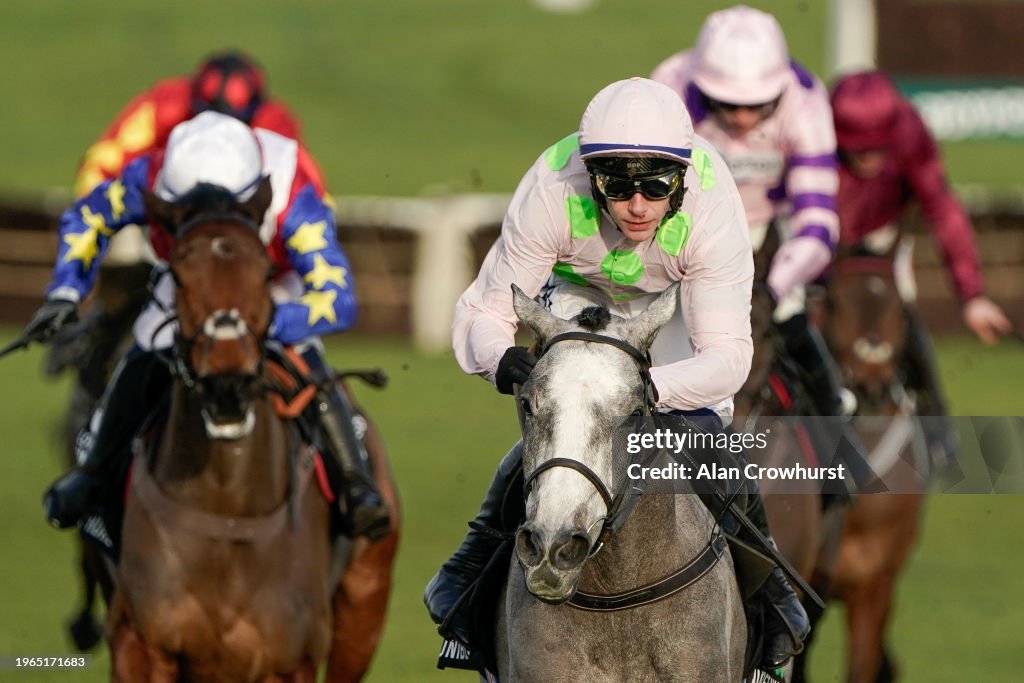

Cheltenham Festival: Lossiemouth Mares’ Hurdle Preview
As the Cheltenham Festival approaches, this expanded preview complements the existing report on Lossiemouth and the Mares’ Hurdle by exploring form lines, market implications and tactical angles for punters. The aim is to inform readers about the race dynamics while emphasising safe, responsible betting for those aged 18 and over.
Form, trainers and Festival context for punters
The Mares’ Hurdle sits within a week of intense jumping action and carries strong trainer narratives, not least the influence of Willie Mullins and the ripple effects of high-profile withdrawals. This section assesses recent runs, key trainer choices and how those elements shape race expectations for a variety of betting approaches.
Readers should view the content as race analysis rather than betting advice and remember that betting carries risk; only those aged 18+ should gamble and they should do so responsibly. You can explore bookmaker comparisons if you wish to see current offers and markets, but avoid staking more than you can afford to lose.
Lossiemouth’s recent form and Cheltenham record
Lossiemouth arrives having won at the track this season and with strong juvenile form from the JCB Triumph Hurdle as a two-mile hurdler to her name, showing a mix of speed and stamina that suits the 2m4f Mares’ Hurdle. The mare’s January Unibet Hurdle success reinforced her ability on Cheltenham ground and provided evidence that she handles the track’s unique undulations while coping with a mid-race tempo shift.
Form lines show a clear progression from juvenile to intermediate distances and connections have targeted suitable prep races; any punter interpreting those runs should also consider weight, ground, and the likely race pace when assessing her winning chances. As ever, race conditions on the day and Paul Townend’s ride will be critical variables that can determine whether she confirms market favouritism.
What the market says: prices, trends and implications
The betting market reflects confidence by offering Lossiemouth short-priced favouritism following her prep runs, while rivals such as Gala Marceau and Ashroe Diamond occupy secondary roles with longer odds and differing form claims. Movement in the market during race week often signals confidence from informed connections or significant support, but punters should check for late drift or shortening when making selections.
Market trends at Cheltenham often favour proven course form and 2m4f experience; backing a market leader requires evaluating both statistical evidence and softer indicators such as stable reports and recent gallop reports. Always factor bookmaker margin and compare prices across firms to get best value, remembering there are no guarantees in racing.
How the Champion Hurdle withdrawal affects betting
The late withdrawal of a major contender from the Champion Hurdle can reshape festival betting flows and gives rival trainers choices about where to run their best juveniles and older hurdlers. In Lossiemouth’s case, the question of whether she remains on Plan A for the Mares’ Hurdle or steps up to the Champion Hurdle has generated debate and some market reactivity from punters seeking alternatives.
For bettors this means re-evaluating exposures across both races and avoiding overconcentration on a single outcome; hedging strategies should be used cautiously and only by those familiar with their risks. Responsible staking and keeping bets proportionate to a pre-set bankroll are prudent responses to late changes in race entries and withdrawals.
Jockey bookings, fitness and course suitability notes
Paul Townend’s partnership with Lossiemouth is an influential factor; jockey familiarity with a mount and the Cheltenham circuit often produces more measured rides that can maximise a horse’s chance. Fitness data from recent racework and schooling can be indicative, but trainers may also present horses differently depending on weather and ground forecasts, so last-minute inspection reports are worth noting.
Course suitability is a separate but related angle: some mares handle the uphill finish and sharper turns of Cheltenham better than others, which can be decisive over the final furlongs in a three-mile-to-two-and-a-half-mile handicap. Punters should use course form as part of a composite view rather than a sole determinant.
Key rivals: Gala Marceau, Ashroe Diamond and Marie’s Rock
Gala Marceau remains an intriguing rival given she is the only horse to have beaten Lossiemouth across seven meetings, but that defeat occurred over a different trip and earlier in the season; form since then needs close inspection to determine whether she retains the same upside. Similarly, Ashroe Diamond has been consistent and placed in strong company, yet there are questions about whether she has improved sufficiently to reverse recent results against the top two in this field.
Marie’s Rock, while not a market leader this year, has prior Cheltenham winning experience in similar ground and a trainer with a good record in the race; small-field tactics or a patient ride could bring her into contention if the pace suits. Each rival offers a different profile — speed, stamina or consistency — and assessing how those traits interact with race shape is key for an informed view.
Each mare’s chances and tactical considerations at 2m4f
Race shape will matter: if the tempo is strong early, the race may favour proven stayers with a late turn of foot, whereas a tactical, slower tempo could help younger mares who can sprint flat out in the straight. Connections may opt to hold horses up to exploit late pace or push early to secure position, and those choices interact with ground and weight allocations to create a complex betting picture.
Analysts should consider sectional times from recent races, whether horses have shown a habit of idling or finishing strongly, and how they have handled stiff finishes previously. Tactical versatility is a plus in Cheltenham races and a reliable pointer to adaptability under festival pressure.
Outside chances and bigger-priced contenders to watch
Hispanic Moon and You Wear It Well represent the type of bigger-priced candidates who can appeal as e/w selections for those seeking enhanced value, with form that suggests an affinity for listed or graded company under the right circumstances. Outside chances often translate into place returns for smaller stakes, and identifying those whose running styles match a predicted race pattern can add structure to a measured, low-risk betting approach.
When considering longer-priced entries, review their recent consistency, any step up in trip, and how their form stacks up against horses they met previously; horses returning from a break or switching tactics should be treated with caution unless there is clear evidence of improvement. Sensible staking and an acceptance of volatility are essential when backing outsiders.
What the market undervalues and where to look for value
Value often exists where public bias favours high-profile connections, leaving solid, less fashionable profiles at attractive prices; look for mares with consistent form, favourable course experience or progressive seasonal improvement. Compare bookmaker odds and exchange prices to identify discrepancies and check non-runners lists early to avoid staking mistakes on affected markets.
Value is not the same as a wish: it combines a realistic chance with a price that compensates for risk, so quantify your opinion by ranking runners and sizing stakes accordingly. Stick to pre-determined limits and never chase losses.
Practical raceday considerations for punters and viewers
Race day logistics — such as going reports, draw effects, late rider changes and the state of the ground — should inform final selections and stake sizing; Cheltenham’s microclimate can change underfoot quickly and that variability affects some runners more than others. Live viewing and listening to final race analysis can help affirm a decision or highlight a reason to stand aside.
For casual viewers, the Mares’ Hurdle provides a blend of tactical intrigue and individual storylines that reward attention, but for those planning to bet, a disciplined approach and small, proportionate stakes aligned to an overall staking plan will reduce exposure and help maintain long-term enjoyment. Remember that entertainment value is a legitimate reason to place a small bet, but it should not be treated as an income source.
Responsible betting guidance and age restriction notice
Gambling is for adults aged 18 and over only and should be undertaken responsibly with limits on time and money spent; if you think you have a gambling problem seek help from dedicated support services. Never gamble with funds needed for bills or essentials, and consider using bookmaker tools such as deposit limits, time-outs and reality checks to manage activity.
If betting stops being enjoyable, consider self-exclusion options and contact professional support lines for confidential advice; the aim of this site is to inform readers, not to encourage excessive or impulsive wagering. You can explore bookmaker comparisons through our tools if you choose to bet responsibly.
Concluding race outlook and balanced betting approach
Lossiemouth arrives with a compelling profile and strong recent form, making her a legitimate favourite for the Mares’ Hurdle, but the nature of festival racing and the quality of rivals mean the outcome is far from certain. A balanced, data-led approach that weighs course form, tactical fit and up-to-date reports will serve punters better than emotion or short-term market noise.
Keep stakes modest, shop around for the best prices and only bet if you can do so responsibly within personal limits; race preview content like this is designed to support informed decisions rather than to pressurise readers into action.
Frequently asked questions on Cheltenham preview
Q: Is Lossiemouth the clear favourite for the Mares’ Hurdle?
A: Lossiemouth is market-favourited based on recent Cheltenham form and a strong season, but festival races carry uncertainties and rivals with course form or improving profiles can challenge; always consider the full field and conditions before backing. 18+ only and gamble responsibly.
Q: How should the Champion Hurdle withdrawal influence my bets?
A: Withdrawals can shift market flows and trainer plans; review whether horses have been re-routed and avoid overreacting to short-term market moves, instead reassessing value across races. Keep stakes proportionate to your budget.
Q: Can outsiders like Hispanic Moon be considered for e/w bets?
A: Yes, outsiders with a decent recent run or a favourable trip can offer e/w appeal, but they require careful selection and smaller stakes due to higher variance. Use bookmaker comparisons to find the best e/w terms.
Q: What race factors matter most over 2m4f at Cheltenham?
A: Pace, stamina at the finish, and ability to handle the uphill run are crucial; horses that can balance speed with staying power and adapt to race tempo normally fare better. Check weather and going reports as they can alter race shape.
Q: Should I use exchange trading or bookmaker odds for best value?
A: Compare both as exchanges can offer better prices at times while bookmakers may provide promotions; the key is to seek the best available price without chasing marginal gains. Only stake what you can afford to lose and avoid overtrading.
Q: Where can I find safer betting tools and support?
A: Most licensed bookmakers provide responsible gambling controls such as deposit limits, self-exclusion and reality checks; use these tools if you feel your betting is becoming risky or consult professional support services for help. Gambling is for ages 18+ only.
For a curated list of current bookmaker offers and free bets for new customers you can visit our free bets page at https://bestofbets.com/free-bets. For bonus offers from affiliated casino sites and their promotions for new customers see https://bestofbets.com/casino-bonus.