

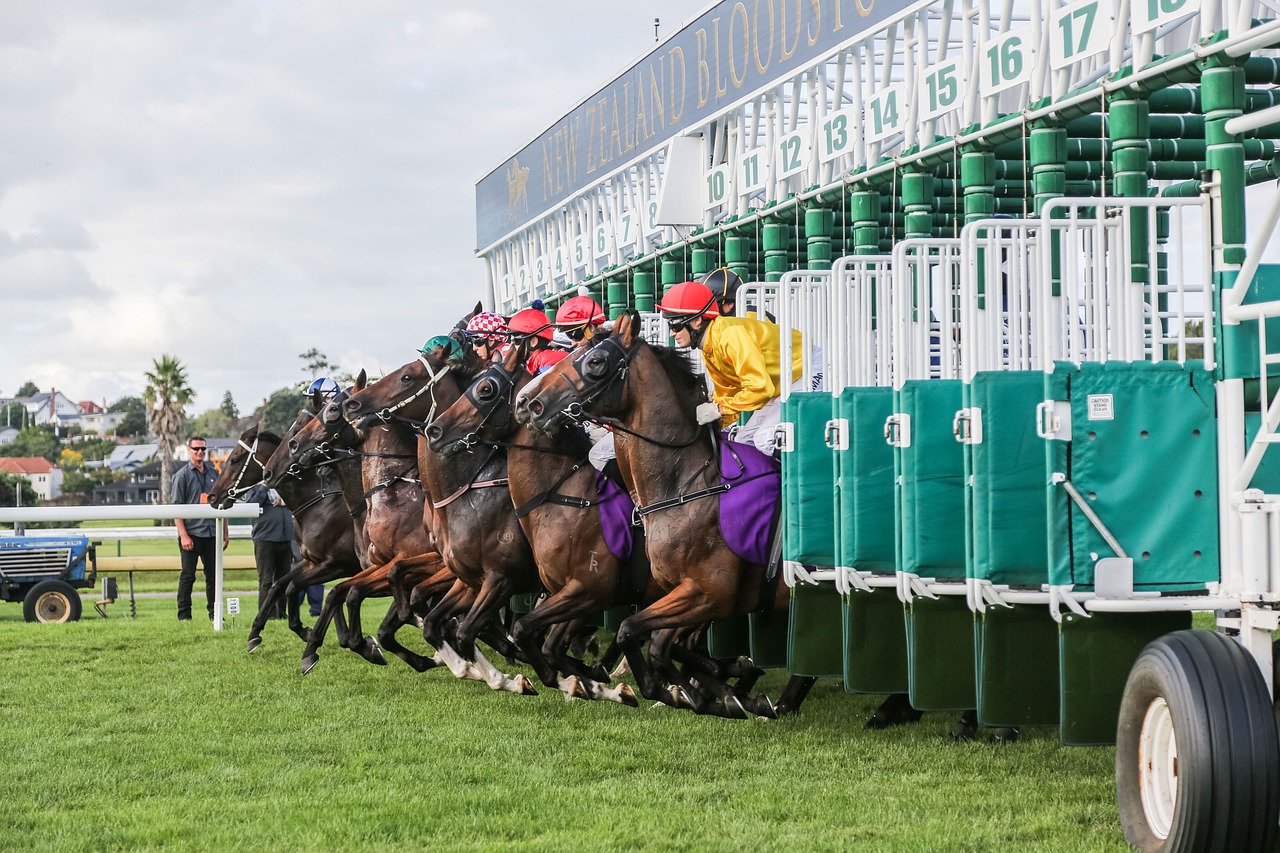

British Champions Day Sprint Stakes Tips and Analysis
British Champions Day closes the Flat season and provides a high-quality concluding card that attracts top sprinting talent from the UK and abroad.
This piece builds on the selections highlighted above, offering deeper race context, tactical thinking and practical betting guidance for punters who follow the Sprint Stakes at Ascot.
How track, distance and ground affect chances
Ascot’s six-furlong straight is a stiff test that often favours horses who handle a true gallop and can sustain speed up the hill, so recent form over seven furlongs or on testing ground is a notable plus.
Slightly softer ground increases the importance of stamina and a long stride, while quick ground tends to help raw speed horses; monitoring overnight rain and official going updates is essential before committing stakes.
Why Bucanero Fuerte looks interesting for Ascot
Bucanero Fuerte has shown top juvenile Group form and, despite an interrupted campaign, has proven ability over six furlongs and appears to appreciate softer conditions, which should suit Ascot if the going comes up testing.
If he returns fully tuned after the travel issues and is positioned to receive a strong pace, the combination of stamina from his six-furlong outings and the stiff finish at Ascot could see him outrun market odds.
Beauvatier profile: stamina and Group 1 form
Beauvatier’s consistent presence in Group 1 company this season underlines genuine class and a proven ability to pick up ground late, qualities that are useful over a testing six furlongs at Ascot.
Connections often ride him from off the pace to conserve energy, so a strongly run race that brings others to the fore could set him up for a late surge, particularly if the ground plays to his liking.
Key statistical trends in the British Champions Sprint
Recent winners suggest a bias towards horses that have shown form over seven furlongs or that stay strongly to the line, with seven of the last ten winners having proven stamina on their CVs before prevailing at six furlongs.
That trend makes horses with a blend of speed and stamina — those capable of handling a step up in trip or soft ground — more attractive from a value and form perspective.
Pace, draw and race shape: tactical betting pointers
The race often divides between early speed and deep-closing types, so the likely pace setup will heavily influence which runners can exploit the dip and long home straight at Ascot.
Assess where each horse is normally ridden, identify probable front-runners and consider how a horse positioned prominently or held up will cope with a steadily run six furlongs that turns into a stamina test late on.
How to approach each-way staking on sprint races
Each-way bets can be effective in Group sprints where the field is competitive and several runners have a credible chance; using bookmakers that pay four places can improve value for marginal picks.
Stake sizing should be sensible and proportionate to your bankroll, with smaller percentages used for longer-priced ante-post selections to account for losing days and non-runners.
Interpreting form lines and recent race performances
Look beyond finishing positions and focus on finishing effort, sectional times where available, and the quality of opposition beaten or encountered, as a close fourth to high-class rivals can be more persuasive than a narrow win on weak opposition.
Assess whether a horse’s best form was produced under similar conditions to Ascot — for instance, over six furlongs on testing going or over seven furlongs on a galloping track — rather than relying solely on headline victories.
Bookmaker markets, value and sensible bankroll rules
Market movements often reveal confidence from connections or informed money; a significant drift or shortening in early betting can indicate either fitness doubts or improved confidence respectively, and should inform your staking.
Always set a clear staking plan before placing bets, avoid chasing losses, and only bet amounts you can afford to lose, remembering that betting is entertainment for those aged 18 and over.
Potential rivals and outsiders to consider
Beyond the highlighted selections, examine runners who have shown late speed in big-field handicaps or who have form on similar tracks, as these profiles frequently upset more fancied names in championship sprints.
European raiders who handled soft or testing turf earlier in the season deserve attention, particularly if their recent runs indicate a return to peak fitness.
Race-day checks and final market signals
On the day, confirm official going, any non-runners and jockey bookings as last-minute changes can materially alter each horse’s chance; a tactical rider switch or the presence of a front-running jockey can change race dynamics.
Final market prices and exchange activity in the hour before the off often give the clearest signal about where value lies, but avoid last-minute impulse additions and stick to your pre-defined plan.
How weather and track maintenance alter betting angles
Rainfall that changes the going to soft or heavy makes stamina and proven handling of cut in the ground more important, and horses that raced well on winter or heavy ground become much more attractive.
Conversely, a quickening surface benefits horses with a turn of foot, so keep weather forecasts in view and adjust bets accordingly rather than relying on early ante-post valuations alone.
Practical ante-post approach for punters
Ante-post markets can offer attractive odds but carry non-runner and form risk; limit exposure by backing only a small proportion of your bankroll ante-post and reserve larger stakes for days-of-race opportunities.
Consider splitting stakes between an each-way ante-post speculative ticket and a smaller day-of-race follow-up that reflects final going and jockey confirmations.
Reading trainer patterns and horse progression
Identify trainers who consistently target big-end-of-season sprints and who have a record of priming horses for Ascot, as those operation patterns can be as informative as individual form lines when forecasting performance.
Horse progression through the season — measured by finishing speed and how they handle incremental steps up in class — is a valuable indicator of readiness for a Group 1 renewal.
Frequently asked questions about this weekend’s race
What makes Ascot’s six furlongs a different test?
Ascot’s straight is stiff with an uphill finish, meaning horses that can sustain speed and cope with a sustained drive often perform better than pure flat-out sprinters.
Should I back ante-post selections or wait for race-day prices?
Ante-post can offer value but carries non-runner risk; a balanced approach is to stake small ante-post bets while reserving larger stakes for confirmed day-of-race prices and going reports.
How important is ground when assessing Bucanero Fuerte and Beauvatier?
Both named horses appear to have form that benefits from softer or testing ground and a true gallop, so the going report is a key factor in final selection decisions.
What staking approach suits a high-profile Group sprint?
Use disciplined stakes relative to your bankroll, consider smaller ante-post percentages and slightly larger day-of-race each-way stakes when the race shape and going suit your pick.
Are there signals in market moves that I should watch?
Shortenings across multiple bookmakers and live betting exchanges often reflect informed money or confidence from connections and are useful indicators to revisit your position on a selection.
How can I bet responsibly and avoid chasing losses?
Set a fixed betting budget, use only discretionary funds, take breaks after losses and use bookmaker tools such as deposit limits or self-exclusion if betting becomes a concern; betting is for those aged 18+.
Do trainer and jockey changes matter for race outcomes?
Yes — trainer/tactical changes and the presence of a jockey experienced at Ascot can significantly affect how a horse is ridden and therefore its chance, so factor those moves into your evaluation.
Can statistics like previous seven-furlong wins be trusted?
Statistics give useful context but should be combined with recent form, ground preference and race shape; a past seven-furlong win is a positive indicator at Ascot, not a guarantee of success.
Please remember that all betting content on this site is intended for readers aged 18 and over and should be treated as informational rather than financial advice.
You can explore current bookmaker offers through our comparison tools if you choose to bet responsibly: https://bestofbets.com/free-bets
For players interested in casino offers, our overview of casino site bonuses is available here: https://bestofbets.com/casino-bonus