

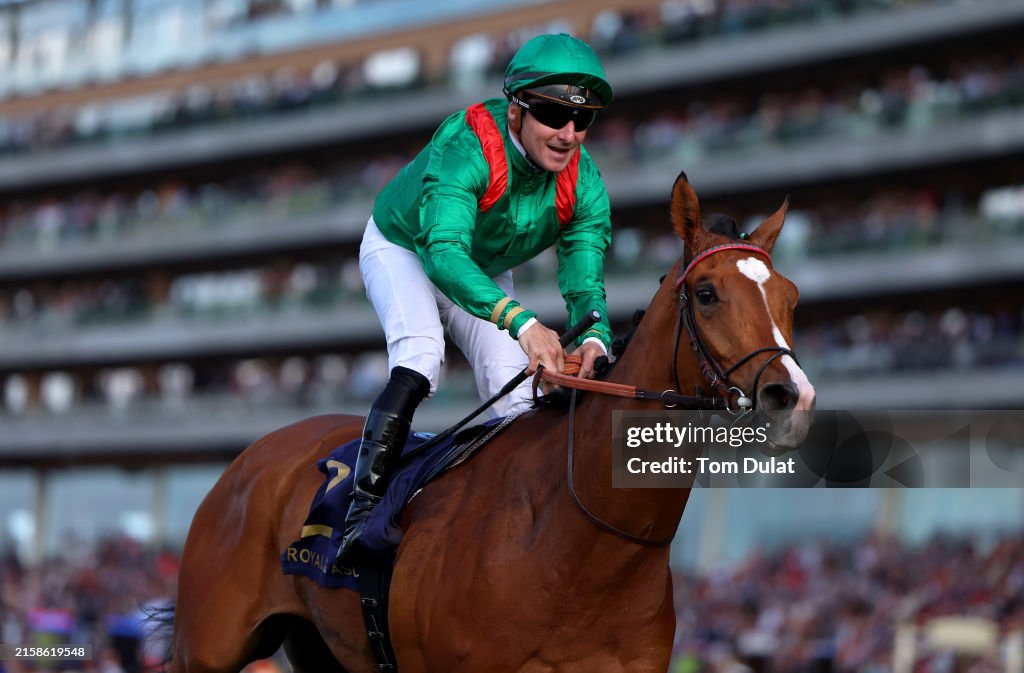

Ascot Qipco Champions Day: Champion Stakes Preview
This expanded preview complements our earlier race analysis and dives deeper into form lines, track specifics and betting considerations ahead of the 2024 Qipco Champion Stakes at Ascot. The content is informational and aimed at UK readers aged 18+ who want context for responsible betting decisions.
Form, Going and Betting Implications for Saturday
This section examines how recent form and likely going combine to shape the race and betting markets, concentrating on Economics and Calandagan while highlighting tactical factors that could change the outcome. Please remember that betting involves risk; only gamble 18+ and stake what you can afford to lose.
Why Economics is Favoured despite the Soft Ground
Economics carries form and class, unbeaten this season and proven over 1m2f at the highest level, making him the natural market leader despite questions over softer turf. His damand for good ground is clear from recent wins, but strong-level performances such as the Irish Champion Stakes give him a profile that many bookies reward.
How Economics’ race pattern shapes tactical expectations
Tom Marquand is likely to ride him prominently with a view to securing a clear rhythm, which suits a colt used to dictating or tracking a strong pace. If the ground turns heavy, that pattern could be compromised and his tactical advantage reduced.
Calandagan’s Form and Suitability on Heavy Turf
Calandagan has shown clear progression across the season and handles a range of surfaces, with his best efforts often on cut or soft turf which enhances his appeal if the Ascot going worsens. Henri Graffard’s gelding has the stamina and cruising speed to be effective over 10 furlongs on heavier ground.
What Ascot’s profile means for Calandagan’s finishing kick
Ascot’s sweeping right-handed track and uphill finish will test stamina and the ability to accelerate late, features that have favoured Calandagan in soft-ground performances. If the rain delivers heavy turf, the uphill finish could amplify his finishing strength against speedier rivals.
Tactical Dynamics and Likely Race Scenarios at Ascot
The race can unfold in several ways: a strong gallop suiting stamina-rich types, a tactical sprint favouring a fast-finishing one, or a test of handling if the turf becomes sticky. Jockey decisions and early pace will be crucial, with horses positioned mid-pack needing to find clear running to mount a challenge.
Potential pace map and in-running implications
An honest tempo should help horses that stay and can quicken, while a slowly run affair could leave those drawn on the outside exposed if they are held up. In-running adaptability and the ability to switch lanes at Ascot are often overlooked but decisive attributes in big-field Group 1s.
Market Moves, Bookmaker Prices and Betting Angle
Market shifts on race day will reflect late weather updates and stable confidence, so checking prices close to post time is sensible for both win and each-way backers. Consider comparing best odds across bookmakers and avoid staking more than you can afford to lose.
How to interpret early market signals safely
Early heavy movement on a horse can indicate serious confidence but can also be driven by a single large punter; look for corroborating information such as stable notes and multiple firms shortening the same selection. If you bet, use sensible stake sizes and remember past performance is not a guarantee of future results.
Trainer and Jockey Selection: What to Consider
Trainer patterns, stable form and jockey bookings offer insight into how connections expect the race to pan out, with experienced pairings often better at navigating heavy conditions. Tom Marquand’s closeness to Economics and the proven rapport between jockey and horse provide tactical advantages that matter at Group 1 level.
Why Ascot experience matters for riders and handlers
Ascot’s unique turns, camber and uphill finish reward riders who time moves and place horses to exploit gaps, especially when the ground is testing. Trainers who target this race historically bring peak-fit animals and a clear plan rather than last-minute entries.
Form Lines and Direct Comparisons Between Main Chances
Direct clashes such as Economics beating Auguste Rodin and Calandagan finishing close to City Of Troy and Aidan O’Brien’s runner provide useful context but require adjustment for ground and trip. Look beyond finishing positions to the manner of those performances and the strength of opposition on the day.
How to assess form when ground and rival quality differ
Adjust evaluations for quicker or slower ground, noting whether a horse improved or merely benefited from conditions that day, and weigh the quality of the field rather than raw finishing margin. Consider sectional times and race flow where available to get a fuller picture.
Weather Forecasts and How They Could Reshape the Race
Late Friday and Saturday rain could turn good-to-soft into soft or heavy, which would swing the race in favour of proven cut horses like Calandagan and others with heavy-ground form. Punters should monitor reliable weather services and bookmaker going updates before placing final bets.
Practical steps to adjust bets for changing going
Use small, flexible stakes or spread stakes across different horses if the going is uncertain, and avoid committing large sums until official going is declared. Comparing available markets such as win, each-way and non-runner no bet can also reduce exposure to sudden changes.
Each-way Strategies and Value Opportunities in a Group 1
Each-way betting can provide value where favourites look vulnerable on the forecast going, especially if bookies offer extra places on a large field. Identify horses that can run into the placings on testing ground and consider splitting stakes to cover both win and place possibilities.
How to size stakes responsibly for high-profile races
Bet sizing should be proportional to your overall bankroll and you should avoid chasing losses; a rule of thumb is to stake only a small percentage of your betting bank on any single outcome. If you use multiple bookmaker accounts, take advantage of best price guarantees and price comparison but do so without increasing risk exposure.
Ascot Course Specifics Affecting the 10-Furlong Contest
Ascot’s undulating track and long straight mean that momentum through the dip and timing in the home straight are pivotal, especially when ground saps speed. Horses that handle the track’s pattern and rise well in the final furlongs historically outscore raw speed merchants on heavy days.
Which horse profiles tend to excel over Ascot’s contours?
Strong-travelling types with a proven turn of foot and the ability to sustain a long run-in do well, as do those who have coped with Ascot’s camber in previous starts. Older, experienced horses sometimes have an edge in judgement and positioning on this unique course.
Final Race-Day Checklist for Punters and Watchers
On race day check the declared runners, any late withdrawals, official going, and market movements before placing final bets; these four items will shape the most effective decisions. Keep stakes modest and avoid letting emotion or recent losses dictate your choices.
Responsible betting reminders for the day
Only bet if you are 18 or over, set limits before the race and never bet with money needed for essentials, and seek help if gambling is causing harm. For tools and support in the UK, organisations such as GamCare offer confidential guidance and self-exclusion options.
To explore current bookmaker offers and compare odds responsibly, you can visit our free bets comparison page for a straightforward overview of new customer offers and terms.
You can also review current casino bonus offers and responsible play statements on our casino bonus comparison page if you are interested in casino promotions rather than sports markets.
Frequently asked questions about the Champion Stakes
What is the likely going for the Champion Stakes?
Weather forecasts indicate soft to heavy turf is possible; the official going declared on race morning will determine betting approach and which horses are favoured by the surface. Only bet after checking the going and consider softer-ground specialists where appropriate.
How does Economics’ record influence betting choices?
Economics’ unbeaten season and top-level victories make him the clear market choice, but his preference for good ground is a factor to weigh against forecast rain. Punters should avoid assuming form transfers directly to heavy conditions without adjustment.
Is Calandagan better suited to soft or heavy ground?
Calandagan has produced his best performances on softer ground and looks well placed if rain delivers a tacky surface at Ascot. His stamina and prior wins on heavy-like going increase his appeal in those circumstances.
How should punters weigh form versus going on race day?
Both matter: form shows class and consistency while going determines a horse’s ability to perform on the day; treat them together rather than in isolation. If unsure, reduce stakes or spread risk across a small number of selections.
Are there value betting opportunities in this race?
Value can emerge if markets under-react to going changes or if a less-fancied runner has proven heavy-ground form; comparing bookmaker prices can locate that value. Always stake responsibly and avoid over-committing on perceived edges.
Where can I compare bookmakers and free bet offers?
Our free bets comparison page lists recommended bookmakers and new customer free bet offers along with terms to help you choose responsibly. Remember that offers vary and eligibility rules apply, and ensure you are 18+ before opening accounts.
What responsible gambling steps should punters follow?
Set staking limits, never bet more than you can afford to lose, and use self-exclusion or limit tools if needed; seek support if gambling becomes problematic. Responsible play protects enjoyment and helps avoid financial or emotional harm.