

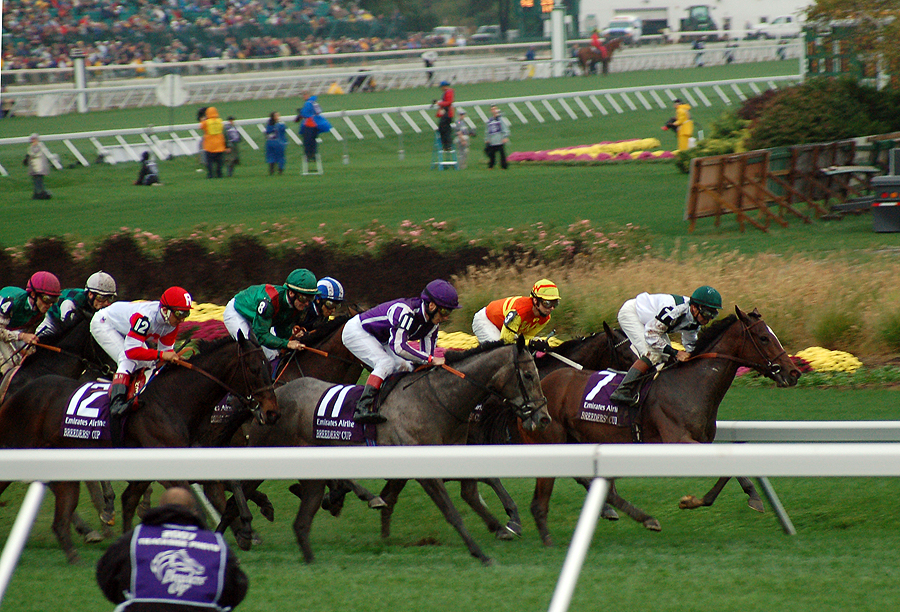

Breeders’ Cup Santa Anita – UK betting preview
The Breeders’ Cup at Santa Anita provides one of the clearest weather-proof cards for British and Irish punters this weekend, and the juvenile turf races on the card deserve detailed attention from those studying form for the autumn and beyond. This preview expands on the tips already noted on the page, offering practical advice on form lines, race shape and staking that matters to UK bettors while keeping responsible gambling front of mind.
How to assess juvenile turf and sprint form
Juvenile races often hinge on raw speed, maturity and the ability to handle a unique track layout, so begin with a close read of recent runs and how those performances came about, including margins, pace and ground. Consider breeding for stamina or sprinting speed, trainer patterns with two-year-olds and whether a runner has experience on left-handed turns and American turf or dirt, as those factors frequently decide placings.
Elm Drive and the Senator Ken Maddy race prospects
Elm Drive’s profile shows a horse with clear course and distance form who has handled switches between turf and dirt and produced strong late finishes, so judge her on adaptability and how her seasonal pattern compares with rivals returning from a layoff. When backing a runner at the odds quoted, factor in each-way maths, realistic expectations of pace distribution, and bookmaker price variation across exchanges and traditional firms to get the best value without overcommitting capital.
Interpreting course form and recent surface switches
Course form at Santa Anita can mask true ability because American tracks often suit runners who cope with firmer going and sharper turns, so preferentially weight performances over similar courses and surfaces where possible. If a horse has won on both turf and dirt, examine sectional times and the manner of victory to determine whether the switch in surface was a tactical masterstroke or a fluke influenced by pace collapse.
Crimson Advocate: pace, draw and tactical options
Crimson Advocate brings Ascot-winning experience and a proven ability to lead or race prominently, so her draw and break from the stalls will be critical to whether she can replicate front-running tactics against a compact, speedy field. British form translates well for horses who have won in quick ground five-furlong sprints, but always check for fitness signals after a long break and consider jockey bookings and any recent reported work at the track when weighing a win-only stake.
Reading trap draws and early speed maps for sprints
For juvenile sprint contests, the early speed map often dictates the finisher profile; identify likely leaders and hold-up horses, and map how stall bias or a tight track could help or hinder a runner. Use this intelligence to shape whether a win or each-way play is sensible, and remember that marginal bets at bigger prices can be more profitable over a season than large punts on short-priced favourites.
Carla’s Way: stamina questions and pace analysis
Carla’s Way arrives with an excellent Group 2 win at Newmarket and clear visual evidence of a powerful cruising speed, yet pedigree doubts over a mile are valid and should temper expectations in an American round course mile contest. When projecting her performance, balance the raw form on seven furlongs with how likely race shape is to provide a strongly run mile that brings stamina into play, and consider a slightly larger win stake with a planned cut-loss if the pace collapses early.
Assessing trainer and jockey combinations at Santa Anita
Trainer and jockey combinations matter disproportionately in big international cards; successful transatlantic raids often follow meticulous planning and consistent partnerships, so weigh recent combinations and any support runs the jockey has had at Santa Anita. Look for patterns such as a trainer who targets specific races with an aggressive placement plan or a jockey who times late runs well around the turn, as these small edges compound across season-long tipping records.
How to structure sensible stakes and betting plans
Define unit sizes, maximum exposure and acceptable loss per day before approaching a big card to protect bankroll integrity, and avoid increasing stakes after a losing run in search of recovery. A disciplined approach means staking proportionally to confidence levels and maintaining liquidity to exploit in-play moves or better prices, rather than chasing short-term emotional wins.
Market opportunities and price shopping best practices
Shop prices across firms and exchanges to secure the best available odds, especially for each-way combinations where fraction differences materially affect returns on middle pair finishes. Use bookmaker comparison tools and consider arbitration only within sensible limits; prioritise sustainable edges such as consistent price discrepancies and enhanced offers that match your risk tolerance rather than transient promotions that inflate stakes.
Weather, going and surface switches: practical guide
Although Santa Anita typically presents firm turf and varying dirt conditions, any overnight moisture or wind can impact sectional times and horses’ comfort; incorporate updated going descriptions close to race time into your final plan. Pay particular attention to runners who have only raced on yielding European turf or soft ground and whether they have verified form on firmer surfaces, as adaptability is essential on fast American courses.
In-play adjustments and each-way strategy for big cards
In-play markets can create value when you spot an inside draw that fails to fire or a rival that misses the break, but set limits and avoid volatility-driven stakes escalations that erode long-term returns. For big cards such as Breeders’ Cup, each-way formats often reward patience and reading of finishing splits, so favour conservative stakes with clearly defined exit points when the market moves against you.
Responsible gambling, limits and practical tools
Gambling is for those aged 18 and over and should be treated as entertainment only; set deposit, loss and time limits before you bet and make use of bookmaker controls and impartial help services if you feel your play is becoming problematic. If you need assistance, contact support organisations such as GamCare, and always avoid viewing betting as a way to solve financial problems or to gain status.
Exploring multiple bookmakers for price comparison and responsibly reading terms and conditions around promotions will support better betting choices without chasing unrealistic outcomes. You can explore current bookmaker offers through our comparison tools if you choose to bet responsibly and remain within personal limits.
See our listed bookmaker free bets to compare the latest offers and to find firms that support safe gambling settings for new customers. For those also interested in casino promotions, you can review our affiliated casino bonuses here: casino bonus offers.
How should UK punters assess juvenile form quickly?
Scan the last two runs for race shape and finishing speed, prioritise horses that beat quality rivals or showed strong sectional times, and weigh pedigree for immediate trip suitability. Remember this content is for adults 18+ and should not be used as financial advice.
What role does the draw play in Santa Anita sprint races?
Draw can be decisive in tight sprint fields where stall placement affects early positioning around turns, so favour low or high stalls depending on observed local bias and likely pace. Always combine draw information with pace maps rather than using it in isolation.
When is each-way betting preferable on a big card?
Use each-way bets when prices are generous and the field has multiple runners with credible place claims, and confirm the number of places paid before staking. Keep stakes proportional to bankroll size and avoid emotional overbets.
How should I factor in trainer form from the UK to US races?
Assess trainers’ recent results with similar horses, look for evidence of successful international campaigning and review any trial runs at American tracks. Trainers who plan with clear prep races and strategic horse placement often offer more reliable form signals.
What staking approach suits Breeders’ Cup big-card betting?
Adopt a flat or graded staking plan that limits each bet to a small percentage of your overall bankroll and adjust only for top-confidence selections within predefined rules. Maintain discipline and avoid altering your plan after losses.
Are there specific checks before placing in-play bets at Santa Anita?
Confirm the horse has broken cleanly, check early splits for unexpected pace collapses, and ensure you have pre-set loss limits to prevent reactive stake increases. In-play opportunities should be treated as tactical adjustments, not recovery attempts.
All betting content is aimed at those 18 and over; please gamble responsibly and seek help if required. You can explore current bookmaker offers through our comparison tools if you choose to bet responsibly: https://bestofbets.com/free-bets. If you are interested in casino promotions from our partners, see the current casino bonuses at https://bestofbets.com/casino-bonus.