

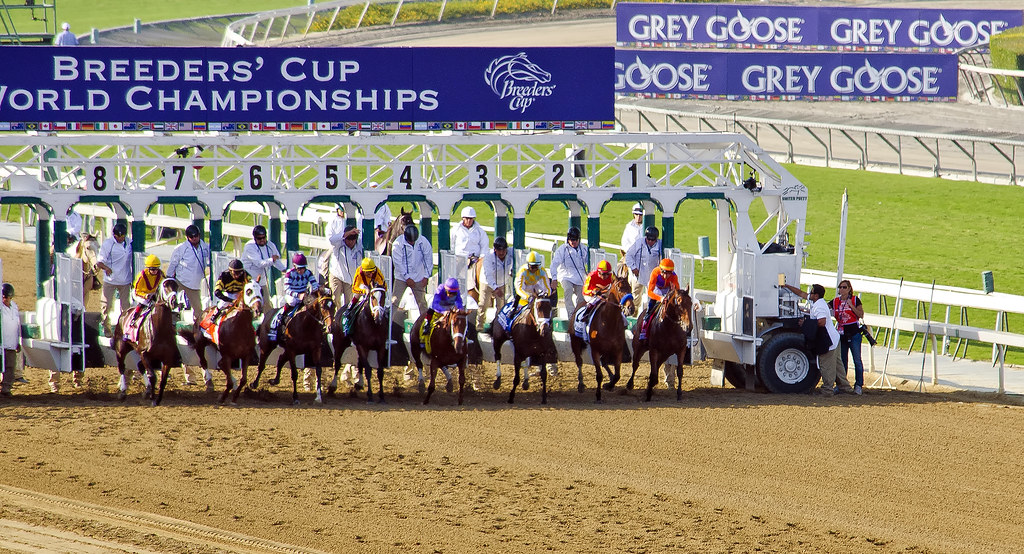

Breeders’ Cup day one betting guide and analysis
This expanded guide complements our existing morning-by-morning tips with wider context on form patterns, race dynamics and sensible staking for day one of the Breeders’ Cup and associated cards. It is written from the perspective of a UK racing and betting publisher aiming to inform readers before they consider any wagers.
All content is for an adult audience aged 18+, and it encourages responsible gambling; betting carries risk and should never be considered a way to resolve financial problems. If you choose to bet, do so only with money you can afford to lose and consider tools such as deposit limits and time-outs where appropriate.
Form study, race context and recommended staking approach
Understanding the quality of opposition, ground preferences and draw or course bias is central to interpreting the short-form notes in the selections above. Treat each race as a small puzzle that combines pedigree, recent runs and likely race shape rather than focusing on headline odds alone.
From a staking perspective a small, consistent staking plan and clearly defined each-way rules make it easier to measure performance over time without exposing your bankroll to undue risk. We advise fractional stakes for international contests and conservative e/w rules where bookmakers pay three or four places to increase value while protecting capital.
Why Sunset Marquesa is favoured on better ground
Sunset Marquesa’s bumper form on soft is instructive, but pedigree signals and her physical profile suggest she will improve on quicker ground as she matures. A change to better ground combined with novice hurdle experience often unlocks improvement at this stage of a young hurdler’s career.
Pedigree clues and implications for ground preference
Walk In The Park progeny often handle a range of going but dam-line and half-siblings show a bias, which in this mare’s case points to a chance on quicker turf. Evaluating sibling trends alongside in-running style helps project likely improvement curves for five-year-olds stepping up over obstacles.
Brief form analysis of Market Rasen and Sandown runs
The Market Rasen third franked the race when the runner-up progressed to graded company, while Sandown showed she can finish off a race on better ground. Where form lines lead to other winners or placed horses who have progressed, it supports an upgrade rather than a random result.
Why Aesterius appeals as a specialist five-furlong sprinter
Aesterius brings raw five-furlong pace and a proven ability to handle a fast surface, which is critical in elite juvenile sprints where speed often trumps experience. His win at Group 2 level shows a blend of early speed and the ability to maintain momentum in the closing stages.
Ascertain draw and track speed factors for Del Mar
A good inside draw and a track that rewards quick early positioning add to his appeal, especially over five furlongs where stalls determine the first bend dynamics. Always weigh stall position against a horse’s preferred running style when assessing sprint races abroad.
Compare Group race form and two-year-old trial lines
The Norfolk and Flying Childers lines remain highly relevant as recent winners and placed horses from these races have gone on to perform well in championship sprints. Reading two-year-old trial lines alongside Ascot and Royal Ascot form helps identify those whose form translates to international targets.
Assessing Vixen and American form for Del Mar races
Vixen’s Woodbine Grade 1 placing and tidy three-run record mark her as progressive and worth a small each-way play despite a wide draw. American juvenile races frequently involve speed biases and pace-adverse trips, so read her run shape rather than raw finishing position alone.
How travel and wide draws affect finishing angles
Wide draws often force horses to take a longer route in field-turning races, impacting finishing angles but not always form. When form says a horse finished strongly despite a wide trip, that can be a signal of untapped improvement when drawn more favourably.
Weight, experience and calling cards from Woodbine
Weight-for-age allowances and relative experience are important when comparing North American rivals with European juveniles, especially over turf courses that ride differently. Other form pointers such as closing speed, racing pattern and trainer strike-rate with exported juveniles are useful guides.
Al Qudra, Godolphin prospects and draw advantage
Al Qudra’s listed win over New Century and his Coventry run give him a clear profile for the Juvenile Turf, and a stall four draw looks practical for midfield positioning. When a top jockey choice appears to reshuffle on draw, consider whether the selection aligns with expected race runnings.
Why stall four is preferable at Del Mar for juveniles
Mid-low stalls often allow a juvenile to settle and find cover without being forced wide on the turn, which is a recognised benefit at Del Mar’s turf configuration. For sharp two-year-old races, finding a ground-saving rail position can be decisive in a tight finish.
Trainer choices, Buick swap speculation and implications
Stable jockey changes can reflect a trainer’s perceived hierarchy or a jockey’s preference based on draw and course history, which occasionally alters market expectations. Interpreting rider switches in the context of the draw and race type helps understand market moves rather than seeing them as absolute form pointers.
Cross-border form translation and pattern reading
Form translation between jurisdictions is more art than science and benefits from focusing on how runners won or lost, not just where. Check form lines that have been franked by subsequent winners to find the most reliable international pointers.
How to weight UK and US form when placing bets
Reduce weight on placings achieved with significant traffic or trip bias, and increase emphasis on strong finishing sections and proven performers on similar turf. For juveniles especially, a single strong effort at Group level in similar conditions outweighs a string of lesser placings in differing contexts.
Key indicators that suggest international improvement
Look for repeatable closing speed, smooth ground adaptability and positive work at home reported in connection pieces as signs of likely improvement. Stable patterns where juveniles step up on their second or third campaign often indicate that physical maturation will show on race day.
Practical staking plan and bankroll protection advice
Use a consistent, pre-defined staking rule such as a percentage of your bankroll per bet and avoid increasing stakes after losses or wins. Fractional stakes and conservative each-way allocations preserve bankroll longevity and create a rational basis for measuring long-term strategy.
Fractional stakes, ew considerations and ROI perspective
On big international cards apply smaller unit sizes and consider play types that suit the market such as modest each-way stakes where bookies pay four places. Measure performance by long-term metrics rather than single-day outcomes, and accept variance as part of statistical reality.
Responsible gambling reminders and safeguards to use
Bet only if you are 18 or over, and make use of bookmaker tools such as deposit limits, stake caps and self-exclusion where necessary. If gambling causes you concern, seek support from organisations such as GamCare or use helplines to discuss safe gambling practices.
Race-day tactics: in-running considerations and market moves
Watch early market movements and late jockey bookings as they can reveal confidence or last-minute information, but avoid overreacting to tiny price ticks. In-running betting should be used sparingly and only when your pre-race read matches what you see unfolding in the race code.
Reading early market moves for value and fades
Early activity often reflects informed money and course specialists; where a horse shortens markedly from its opening price, reassess whether that move is justified by form. Conversely, horses drifting significantly without apparent reason can be approached as potential value plays if your form read differs.
Using in-play as a hedge, not a hedge to chase losses
In-play opportunities can be used for small hedges or to lock in profit on a standout run, but avoid chasing stakes to recover earlier losses. A disciplined approach to live markets limits emotional decision-making and helps preserve bankroll for future events.
We aim to provide clear, evidence-based views rather than sensational claims; there are no guaranteed outcomes and you should never bet more than you can afford. You can explore current bookmaker offers through our comparison tools if you choose to bet responsibly at this Breeders’ Cup meeting.
For a regularly updated list of recommended bookmaker free bets see https://bestofbets.com/free-bets and for casino bonus information from our affiliated partners visit https://bestofbets.com/casino-bonus.
Common questions on Breeders’ Cup and staking advice
How should I approach betting on international turf juveniles?
Focus on form lines that have been validated by later winners and emphasise a horse’s finishing speed and draw position. Use smaller stakes for international contests and avoid over-exposure to unfamiliar trainers or courses.
What is a sensible each-way rule for big festival races?
Consider each-way rules that reflect the bookmaker’s place terms, typically 1/4 or 1/5 of the odds to three or four places for large fields. Apply smaller units to each-way plays to maintain a controlled staking plan.
How do stall draws affect turf juvenile sprints at Del Mar?
Inside and mid stalls often offer better access to a ground-saving route and can be an advantage in tight five-furlong sprints. Always factor draw in alongside running style and pace projection rather than treating it in isolation.
When is American form reliable for UK-based punters?
American form transfers best when horses have raced on similar turf and against recognised graded rivals, or when their run shape shows strong late sectional speed. Cross-refer to how subsequent rivals have fared in Europe or other international events.
How do I protect my bankroll during a busy racing weekend?
Set an overall weekend limit and divide it into unit stakes per race, avoiding the temptation to chase losses. Use bookmaker responsible gambling tools and stick to pre-decided staking percentages.
Is jockey booking a reliable indicator of a horse’s chance?
A top jockey booking can indicate confidence but should be interpreted alongside trainer patterns, draw and horse form. It is a useful piece of the puzzle but not a standalone guarantee of success.
What should I do if I feel my betting is getting out of control?
If betting is causing stress or financial strain, seek help immediately and consider self-exclusion or setting strict deposit and stake limits. Organisations such as GamCare provide confidential advice and support for UK residents.