

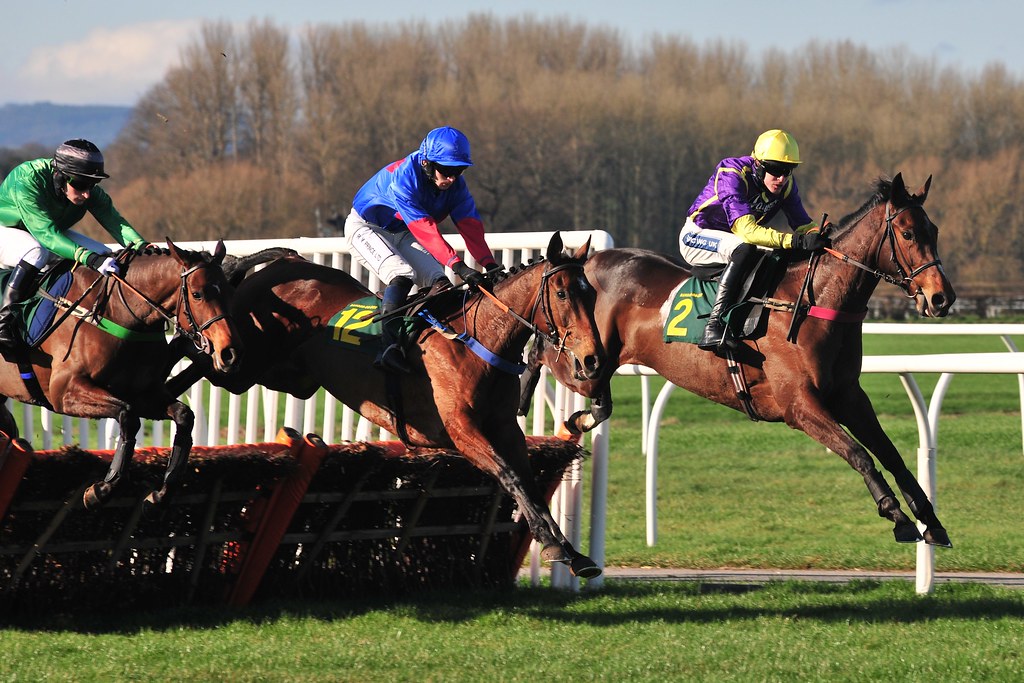
Weekend Racing Guide and Betting Insight for Punters
Form, Conditions and Why These Selections Matter
This expansion complements the tips already published on the page by adding context on form, weights, course trends and how to interpret market moves for the same races covered above.
Read on for practical pointers to help you assess the suggested bets in a balanced, responsible way and how to use bookmaker information without treating betting as a way to make money.
Haydock race analysis: Primoz and Real Stone outlook
Haydock’s early card requires attention to how horses have come through recent juvenile or novice events and whether their winter preparation suggests improvement this season.
For Primoz and Real Stone, focus on race fitness, previous ground preferences and any evidence of jumping fluency in their chase or hurdle starts.
Reading the weights: what 10-11 versus 12-2 means
Weights in handicaps and novices often reflect a horse’s experience and the assessor’s view of its ability; a difference of a stone can materially affect stamina and speed over a testing track.
When comparing Real Stone to rivals carrying heavier weights, consider how that extra burden will play out over two miles on a track like Haydock, especially if ground is soft or heavy.
How recent wins translate to class tests here
A five-length victory at a smaller meeting can indicate raw ability, but you must judge the quality of the opposition and whether the win came on favourable terms such as soft ground or a strong pace.
In Primoz’s case, the margin and the profile of horses beaten suggest genuine improvement, but stepping up in grade or facing seasoned rivals requires scrutiny of form lines and penalised horses.
Ascot preview: Theatre Glory and Lassue prospects
Ascot often brings better-class mares and well-handicapped stayers into play, and the Coral Hurdle plus the three-mile mares’ handicap both demand a blend of speed and stamina.
Theatre Glory’s Cheltenham run and Listed success indicate class, while Lassue’s seasonal reappearance and proven stamina over three miles make weight and ground the crucial variables.
How course and ground reports change race prospects
Ascot’s configuration and the going report are pivotal; a drying track helps horses with speed, while soft ground emphasises staying power and can neutralise some types of pace.
Always check official going descriptions on race day and combine them with trainer notes and jockey bookings to see who may be favoured by the conditions.
Punchestown Grade 1s and wider weekend trends
Punchestown’s Grade 1 contests like the Morgiana and John Durkan attract elite two-mile and intermediate performers who can reassert form or reverse placings from earlier festivals.
When assessing these races, look for horses with recent top-level runs, clear preference for the course or similar tracks, and consistent jumping under pressure.
Betting markets, weights and form interpretation tips
Markets move for reasons — connections’ confidence, smart money, or late declarations — but they can also overreact to headline wins or to well-known trainers being advertised in the betting.
Use the market as a pointer rather than the sole guide, cross-referencing odds with recent race shape, ground, jockey changes and weight differences to form a rounded view.
How to interpret market moves before race time
Shortening odds late can indicate significant support or insider confidence, but it can also reflect a bookmaker’s liability adjustments; look for corroborating evidence in stable notes or trainer interviews.
Conversely, drift may show unanswered questions about fitness or an unfavourable gallop fit, and should prompt a re-evaluation rather than blind dismissal of a selection.
Trainer and jockey factors affecting each selection
Trainer form, stable location and how a yard tends to prepare horses for seasonal reappearances matter; trainers who ready horses to peak early can have an edge at high-profile meetings.
Jockey bookings are significant — a top rider taking a mount can indicate confidence, while lesser-known pilots may offer value but need scrutiny for course and distance experience.
Small details that influence race day outcomes
Look for equipment changes, wind-surgery reports, and declarations such as tongue-ties or blinkers which can hint at performance adjustments from connections.
Track position, draw bias and reported gallop pace are equally important; these micro-factors often decide tight finishing margins in competitive fields.
Practical staking plan and responsible bankroll management
Decide stakes before the race and use a fixed percentage of your betting bankroll per selection to avoid emotional or impulsive decisions.
Avoid chasing losses and never wager money you cannot afford to lose; betting should be for entertainment and not used to resolve financial issues.
Managing stakes and bankroll tips for responsible play
Apply a small unit size relative to your total bankroll and adjust units only in response to clear, pre-planned strategy rather than short-term variance.
Set loss limits and frequency caps, and use bookmaker tools and self-exclusion options if you feel betting is becoming a problem.
How to use bookmaker comparisons and offers responsibly
Bookmaker comparisons can highlight competitive odds and available promotions, but offers should be considered in context and not as reasons to increase risk levels.
If you explore promotional deals, prioritise reputable operators and read terms carefully to understand wagering requirements and expiry conditions.
Summary guidance for applying these insights
Combine the original race selections with the practical checks above: confirm ground, review weights, consider market context and maintain disciplined stakes management.
These measures help you make more informed, responsible choices when following tips such as Primoz, Real Stone, Theatre Glory and Lassue without relying on guarantees.
18+ only. If gambling is a problem for you, contact GamCare or use local support services and consider setting deposit limits or self-exclusion with operators.
You can explore current bookmaker offers through our comparison tools if you choose to bet responsibly: https://www.bestofbets.com/free-bets
Our partner casino bonus listings are available for those interested in casino promotions, again with an emphasis on responsible play: https://www.bestofbets.com/casino-bonus
Frequently asked questions about this weekend’s racing and bets
Q: How important is the official going report?
A: The going report is essential; it helps determine which horses prefer soft or good ground and influences stamina and speed calculations for each runner.
Q: Should I always follow market leaders?
A: No, the market is a useful guide but should be used with form, weights, trainer and jockey information to make an informed decision.
Q: How do weights affect novice chases and handicaps?
A: Weights reflect perceived ability and can change the outcome, especially over longer trips or testing ground where an extra stone may blunt a horse’s finish.
Q: Is seasonal reappearance a negative for horses like Theatre Glory?
A: Not necessarily; some horses run well fresh while others improve with a run, so check their historical reappearance form and trainer tendencies before betting.
Q: What is a sensible staking approach for following tips?
A: Use fixed units based on a small percentage of your bankroll, set loss limits and avoid increasing stakes to chase losses.
Q: Where can I get help if gambling feels less controlled?
A: If gambling causes concern, seek help from GamCare or similar UK services, consider cooling-off periods and use bookmaker responsible-gambling tools.