

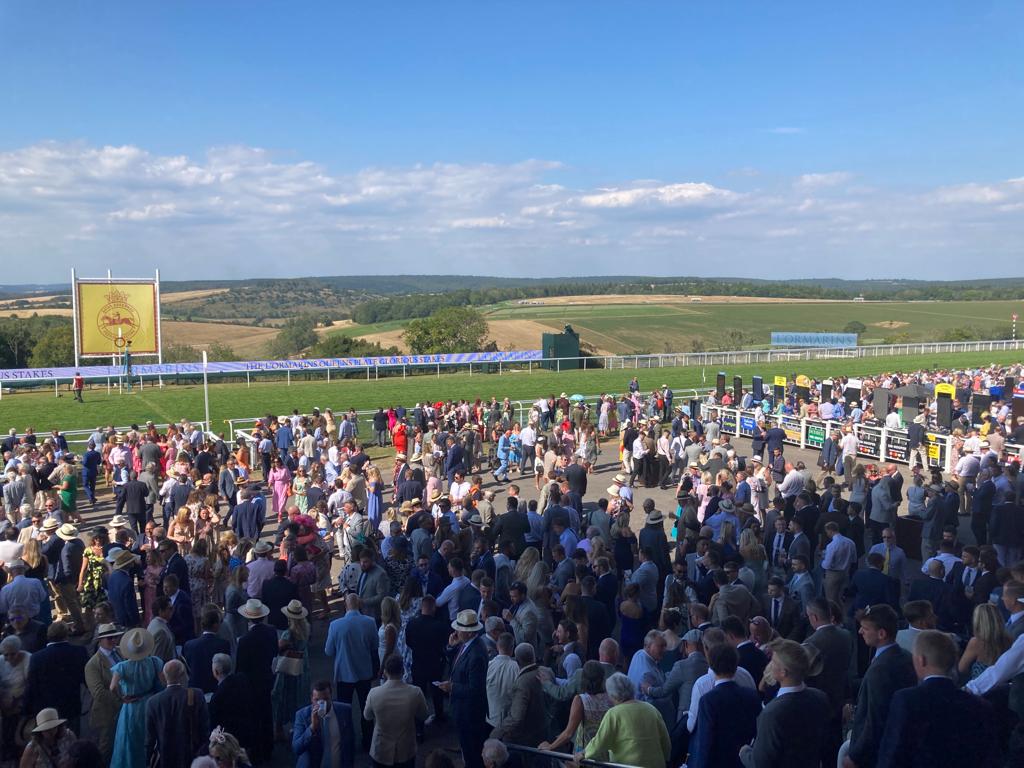

Glorious Goodwood Horse Racing Tips and Insight
This supplementary guide expands on the race-by-race notes and helps readers turn form analysis into reasoned selections for festival racing. It is intended as expert editorial content to complement the race previews already published on the page.
How to Assess Races and Find Value Bets Effectively
Start by combining raw form with context: trip, pace, ground, draw and recent improvement patterns all matter. Looking for value means identifying runners whose chance is underpriced by the market, not chasing longshot hope.
Betting is for 18+ only. Please gamble responsibly and never stake more than you can afford to lose.
Interpreting Form Lines and Recent Race Data
Raw finishing positions do not tell the full story; look for finishing speed, race shape and whether the horse had clear daylight or was boxed in. Note patterns such as consistent upward progression, abrupt declines or improving runs one would expect from an unexposed horse like those making their second run.
Contextual form helps when the market is tight, for example when a newcomer like Bussento or a lightly-raced type has a noisy pace-pressing debut. Use sectional times where available and watch how horses finish their races to separate true improvers from flat-liners.
Trainer and Jockey Trends To Watch Carefully
Trainer form at the meeting and their recent strikes matter more than long-term reputation; stables that target a meeting often have a pattern of placing multiple runners. Jobs done by leading jockeys can swing a selection’s chance, so Ryan Moore or a stable’s retained rider linking up is a significant signal.
Pay attention to patterns such as first-time tongue-tie success or trainers who traditionally win specific contest types, as with Charlie and Mark Johnston’s recent success in the EBF contest. Small details like headgear changes and jockey claims are part of form profiling.
Using Draw, Ground and Trip Factors in Selection
Course configuration and draw bias can make or break a sprint, while stamina tests are decided by trip and ground in staying handicaps. For example, a fast-ground specialist will be favoured on drying turf, while soft ground often elevates stayers with proven form in testing conditions.
Examine a runner’s best performances and whether they were on similar ground, trip and course type. Horses with a clear pace-advantage from a low draw or tunnelling run style can outperform their price, particularly in large fields where position matters.
Each-way and Handicap Strategies for Large Fields
In big handicaps like the Stewards’ Cup, consider backing against short-priced favourites and favour horses trading at either end of the market. A balanced approach is to back a single win contender and one or two each-way outsiders with strong place claims.
Assess the handicapper’s mark for potential improvement. Unexposed geldings and four-year-olds can outrun their rating, while older horses with weight and wear can be vulnerable in quick turnarounds.
What Market Moves Reveal About Chances Before The Off
Pre-race market movements often reflect insider confidence and stable intentions; early money into a horse can indicate a serious chance. However, late drifts may be due to non-racing factors and should be interpreted alongside other evidence, not in isolation.
Use exchange and SP markets for triangulation; if both show significant support, the selection is likely race-ready, but always cross-check for changes in ground or confirmation of jockey bookings.
How to Use Course Records and C&D Form Effectively
Course-and-distance form is a particularly reliable indicator when conditions match previous wins because it demonstrates a horse handles the unique track subtleties. Horses such as those with multiple C&D successes should be respected, even when slightly up in the weights.
Don’t overplay C&D form when conditions differ substantially from the reference run; account for variations in ground and pace that might have favoured the previous winner.
Managing Bankrolls for Festival Race Days Responsibly
Set a clear budget for each meeting and divide stakes across races in advance to avoid impulsive chasing after losses. Consider fixed stake percentages or point-based staking plans rather than variable sums to maintain discipline during a busy card.
Remember that betting should be recreational; if you feel compelled to increase stakes after a loss, pause and reassess rather than escalate.
How to Monitor Late Scratches and Non-runners
Non-runners and late withdrawals alter race dynamics and can change the value of bets, especially in small fields or where a dominant pace figure is withdrawn. Check final declarations and rule-of-the-race updates close to post-time.
Where you have ante-post interest, be aware of each-way terms and refunds depending on non-runners to avoid surprises when markets adjust.
Analysing Pace Maps and Race Shape Projections
Projecting likely pace helps predict whether the race will suit front-runners, stalkers or strong closers. A race with several confirmed speed horses can produce a strongly-run contest that favours stayers with stamina to finish, while a slow-run sprint often benefits those who can position prominently.
Use recent run style data rather than assumed tactics; horses fresh from a front-running win are likely to try similar tactics again unless a trainer signals otherwise with a jockey change or equipment tweak.
Spotting Unexposed Types and Potential Improvers
First or second-time starters and lightly-raced handicappers often carry hidden upside if their breeding and debut run suggest room to improve. Note those who finished strongly on debut as likely improvers when they race again under similar conditions.
Conversely, several beaten favourites in a horse’s formline may indicate a ceiling to ability; balance optimism for improvement with realistic assessment of what each run truly showed.
Evaluating Gear Changes and Equipment Notes
Changes such as the first-time hood, blinkers being applied or removed, and tongue-tie additions can produce measurable improvement. Track record on such changes is useful for trainers known to trigger a step forward via equipment.
Keep records of a trainer’s success rate with gear switches and about how horses respond at the trip and ground they will face on the day.
Interpreting Weight, Penalties and Claiming Jockeys
Handicap adjustments and penalties can make a winning repeat harder but do not automatically rule out a horse, particularly if the horse is progressive. Allow for the effect of a claiming jockey’s weight allowance when assessing a front-runner seeking to make all.
Short-term course form and a favourable pound-for-pound comparison are useful when penalties are marginal rather than prohibitive.
When to Back Each-way Versus Single-Win Stakes
Choose each-way when the race looks open with several plausible place horses or when bookmakers offer generous place terms. Opt for single-win stakes when a runner shows a clear edge in class, trip and recent form backed by market support.
Be mindful of large field payouts and how many places are paid, as this materially affects value for each-way strategies.
Practical Watchlist for Today’s Card
Create a short list of horses from the race notes to monitor for market moves and late confirmations; include one favoured selection and two speculative each-way candidates. Look for jockey confirmations and any last-minute declarations that alter each horse’s appeal.
Track changes such as ground deterioration or overnight rain which can swing the balance in stamina-dependent races, and adjust selections before the off if necessary.
How to Read Bookmaker Each-way Terms and Offers
Each-way terms vary by bookmaker and can drastically change the value of a bet; compare 1/5, 1/4, 1/3 place fractions and how many places are paid. Use comparison tools to find the best terms for your preferred selections rather than sticking to a single operator by habit.
Always check the small print on promotional odds, enhanced places or non-runner policies to ensure expectations match reality.
Responsible Betting Reminder and Useful Resources
Gambling is for people aged 18 and over. If you think you may have a gambling problem, seek help and use tools such as deposit limits, cooling-off periods and self-exclusion.
You can explore current bookmaker offers through our comparison tools if you choose to bet responsibly. We may receive affiliate income when you click certain links, which helps fund our editorial coverage while remaining independent in judgement.
For transparency, we never promise returns and always advise playing responsibly rather than treating betting as an income source.
For quick access to current new-customer offers and free bet lists please visit our free bets comparison. You can also see the latest casino welcome bonuses and promotions on our casino offers page.
Frequently Asked Questions and Short Answers
Q: How should I use form in picking a Goodwood winner?
Look beyond finishing position to pace, ground and whether a horse is improving; combine that with trainer and jockey trends for better context.
Q: Are large fields better for each-way bets?
Large fields often pay more places and can make each-way betting more attractive, but always check the bookmaker’s place terms before backing.
Q: How important is the draw in sprint handicaps?
Draw can be decisive, especially on tracks with tight turns; study recent draw bias at the course and weigh it into short-priced selections.
Q: What staking strategy suits festival race days?
Use a pre-set budget and fixed stake plan, dividing stakes across races to avoid reckless chasing and to manage variance responsibly.
Q: Can trainer bookings change my view on a horse?
Yes, a top jockey booking often signals a stable’s confidence and should be factored into the selection process alongside form and market moves.
Q: Where can I find the best each-way terms?
Compare bookmakers before placing a bet and look for enhanced place terms on major handicaps; comparison tools help identify the best offer.
Q: Is backing favourites a sensible approach here?
Favourites win regularly but large-field handicaps often produce surprise results; balance backing favourites with value each-way plays for a sustainable approach.
Q: What support is available if betting becomes a problem?
If you are concerned about your gambling, contact GamCare, use self-exclusion schemes, set deposit limits and seek professional help as needed.
Explore our list of top recommended bookmakers and their current free bet offers at https://bestofbets.com/free-bets to compare terms responsibly. You can also review casino welcome bonuses and offers for new customers at https://bestofbets.com/casino-bonus.