

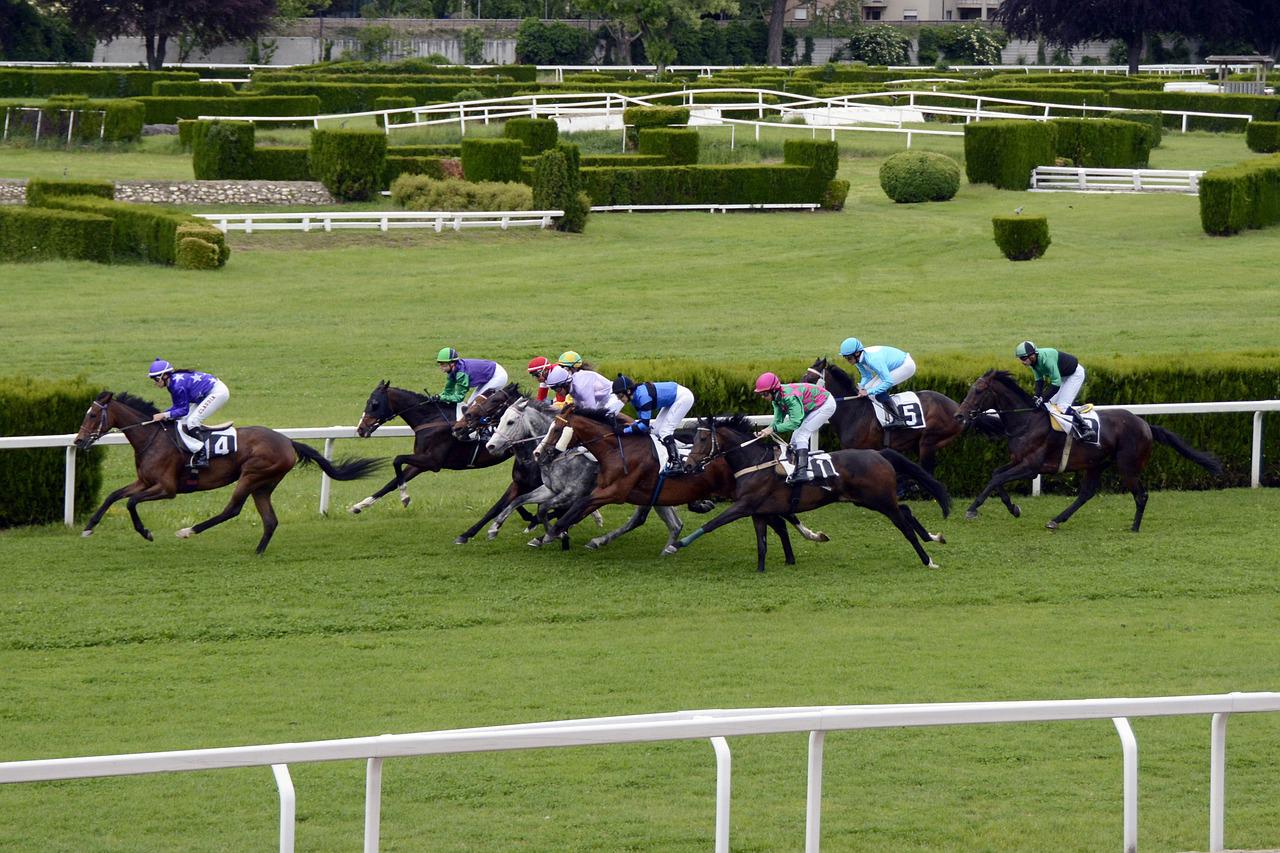

York June 11: Detailed Guide to the 3.40 Sprint
This guide expands on the race preview for the 3.40 Pavers Foundation Catherine Memorial Sprint Handicap at York on Saturday June 11, offering form, pace and market context to help readers assess the race intelligently. It is written with a focus on facts and analysis rather than persuasion, and it assumes readers are 18+ and will gamble responsibly.
Form, Draw and Pace Analysis for This Handicap
The race is a large field six-furlong handicap where draw, early speed and recent form over the Knavesmire are all highly relevant to the outcome. This section looks at the trends and actionable angles that complement the core preview already on the page.
Why Tim Easterby’s York Record Matters Today
Tim Easterby trains locally and his runners historically perform well at York, which can be significant in tight sprint handicaps that reward course knowledge and targeted entries. His three runners in this renewal each bring different profiles, and his record suggests we should give his yard a little extra weight when analysing likely tactics and fitness.
Market Trends: Favourites, Outsiders and Prices
Recent history at this specific six-furlong handicap shows a tendency for bigger-priced winners and a mixed record for short-priced favourites, so markets can misprice runners with improving Irish or fresh winning form. Looking beyond the headline odds and considering each horse’s pace map, course form and proximity to stable targets is essential for sensible staking.
Atomic Lady: Form Lines and Course Experience
Atomic Lady’s previous win over the course and distance and her short-head second in a valuable sales race provide credible form lines, especially given the subsequent progress of the winner Ever Given. Her Kodiac breeding profile and versatility on good to firm or good ground give her a tactical edge, provided Tim Easterby has her ready first time.
Tactical Options: Hold-Up Versus Front-Running
Atomic Lady has shown she can handle different racing styles, but in a big field of 19 it matters whether she can secure a handy position early or will be waiting to pick off rivals late. Understanding her likely role in the race relative to obvious pace horses helps determine whether she benefits from a drying surface or from a strongly run heat that sets up for a closer.
How Draw and Pace Influence Fast Six Furlong Races
At York, inside draws often hold an advantage when the track plays straightforward, but race shape and the presence of multiple pace angles can neutralise a bias. Historical data from similar handicaps shows that being drawn seven or lower has been beneficial in recent renewals, which should inform how we weigh entries in the betting market.
Betting Strategy and Responsible Play Advice
Approach betting on a large-field sprint with a clear staking plan, backing only at prices that represent value given form, draw and pace; never stake more than you can afford to lose and treat gambling as entertainment. If you are 18 or over and choose to bet, use bookmaker comparison tools to find responsible offers and apply firm limits to time and spend.
Assessing Ground, Ratings and First-Time Fitness
The official rating of 91 for Atomic Lady leaves scope for improvement, particularly first time up if she has had a straightforward prep and winter or spring conditioning has gone to plan. Ground forecasts for good and past form on good to firm mean she is likely to handle expected conditions, but first-time-of-season performances are always subject to a fitness unknown that must be priced in.
Tactical Gym: How to Judge Race-Fitness on Debut Runs
Look for evidence in short-firming or similar preps such as wind surgery reports, schooling notes and recent trial performances when judging a first-time-up handicap run. Trainers who target early-season handicaps often leave a small fitness edge in their favour when a horse is ready to peak early, so small margins in the market can reflect that readiness.
Formbook Comparisons with Recent Listed Winners
Atomic Lady’s second to Ever Given is stronger with hindsight given the winner’s subsequent Listed success, and this context improves the relative merit of her form line for punters comparing her to other entries. When a rival that beat or was beaten by a runner goes on to win at a higher level, re-evaluating that form in handicap terms can highlight horses that are well treated by the official rating.
How to Read the Pace Maps for York Sprints
Constructing a pace map for the race means identifying likely front-runners and those aiming to sit close to the lead, then mapping which draws will be able to secure those positions without traffic problems. In a field close to 20, traffic and split-running are realistic risks, so pace maps should be considered alongside jockey bookings and early speed indices rather than in isolation.
Practical Betting Angles for This Heritage Handicap
Practical angles include favouring horses with proven course-and-distance form, those who handle similar field sizes and those with proven tactical versatility in six-furlong sprints. Since half of the past ten winners have been double-figure prices, there is value in seeking well-handicapped, improving types rather than automatically following short-priced market leaders.
Data-Led Approach to Small-Margin Handicaps
Use recent speed figures, sectional times and race shape overlays to identify whether a horse’s best rating performance is likely to be reproduced under similar conditions, and combine that with trainer form cycles and jockey bookings. This analytical approach helps highlight runners underestimated by public sentiment and allows for more disciplined, lower-variance staking choices.
In-Running Considerations and Laydown Scenarios
With such a competitive field, in-running commentary and live pace updates can materially affect the outcome, so consider how you might use in-play markets to hedge or reduce liability if race shape turns out differently to pre-race expectations. Bookmakers’ exchange prices can move quickly, and a clear in-running plan reduces the risk of emotional betting decisions during the race.
How the Market Often Responds to Course Form
Market moves typically reward obvious course specialists early in the day, but late money can be driven by jockey changes and wilful support from connections looking for a favourable starting price. Understanding the rationale behind money — whether it is informed by subtle trainer comments, stable jockey switches, or main-market trends — helps separate genuine value from disproportionate support.
Putting It Together: Where Atomic Lady Fits In
Combining course form, the Kodiac sprint profile, versatile ground handling and the trainer’s York record makes Atomic Lady an attractive contender to consider in each-way or win terms depending on the price available. However, any selection should be assessed within a disciplined staking plan and with an awareness of the race’s tendency to produce bigger-priced winners.
Final Practical Checklist Before You Stake
Before placing a bet: confirm the track condition, final jockey bookings, the official declarations and any late-riding or ground-change notes from the trainer or stable. Bet only if you have identified value against the market, keep stakes consistent with your bankroll rules and seek support from bookmaker comparison tools if you decide to play.
Responsible gambling notice: If you are 18 or over and choose to bet, do so only for entertainment, set strict limits and use available tools to manage your gambling. If gambling is causing harm, seek support from organisations such as GamCare or use self-exclusion options provided by bookmakers.
You can explore current bookmaker offers through our comparison tools if you choose to bet responsibly and are 18 or over. Please note this article is informational and does not guarantee results or financial gain.
See our recommended sports bookmakers and their free bet offers for current welcome deals and responsible play options. Find casino bonus offers and affiliated casino promotions if you are researching casino welcome packages while staying within responsible gambling limits.
Frequently Asked Questions About This York Sprint
Q: Does draw seven or lower give a clear advantage here? Historical trends in this handicap show a bias towards lower-numbered draws in recent renewals, but draw advantage must be weighed against individual pace and jockey tactics.
Q: How much should I trust first-time-up horses like Atomic Lady? First-time seasonal runs can be fine if the trainer targets the race and the horse has suitable course form or a credible trial, but treat fitness uncertainty as a factor when sizing stakes.
Q: Are larger fields more likely to produce surprise winners? Yes, large fields increase the chance of traffic and tactical variance, which often allows bigger-priced horses to prevail, so consider broader each-way coverage rather than concentrated staking.
Q: What role does the official rating play in deciding value? Official ratings provide a starting point for assessing whether a horse is well treated, but combine ratings with sectional data, recent form and course experience for a fuller picture.
Q: Should I consider in-running markets for this type of sprint? In-play markets can be useful where race shape deviates from pre-race expectations, but only use them within a pre-defined staking plan and bankroll limits.
Q: How important are jockey bookings for short sprints? Jockeys who are adept at getting a position early or timing late runs can make a notable difference in sprints, so consider rider form and compatibility with the intended tactics.
Q: Where can I find more bookmaker comparisons and offers? You can review our comparison pages for current bookmaker welcome offers and responsible gambling tools to help inform any decision to bet, remembering that all play should be 18+ and for entertainment only.