

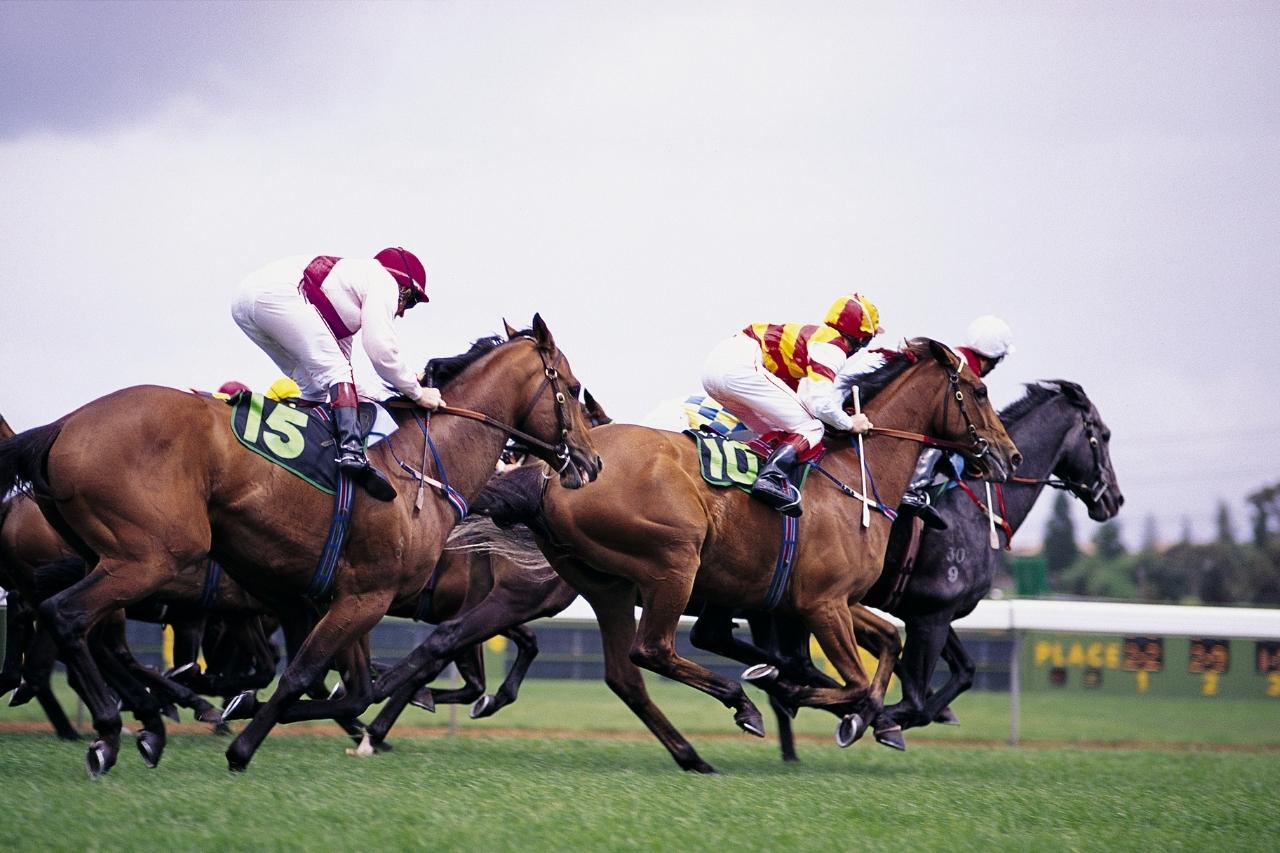

Expert Royal meeting race-by-race preview and tips
This expansion complements the race-by-race notes above with practical guidance on reading form, interpreting market moves and approaching each type of contest confidently. Content is aimed at informed UK readers and assumes readers are 18+ and will gamble responsibly.
How to read the racecard and form for betting
Start by establishing the contest type, distance and ground preference from the racecard and then cross-check recent form against the anticipated pace and class of the race. Always factor in trainer patterns, jockey engagements and any comment in the race write-ups above when weighing up each runner’s prospects.
Interpreting debut runs, trainers and breeding signals
Debut performances often reveal raw ability even if the form line is short, and the commentary above highlights several newcomers whose breeding and trainer profile suggest they may improve markedly. Where a stable has a habit of producing ready-made juveniles or later-developing types, weigh that into your selection process rather than relying on a single line of form.
Assessing the impact of change in trip distance
When a horse steps up or drops back in trip, consider pedigree, previous finishes and sectional evidence where available to judge stamina or speed sufficiency for the new trip. The race notes mention many horses stepping up to 1m2f and 1m6f; treat those moves as clues rather than certainties and look for trainers who succeed with similar switches.
Handicap reading: marks, weights and improvers
Handicap races require careful arithmetic: compare official ratings with recent form lines and allow for weight adjustments after big runs, as noted for several entries in the handicaps above. Identify horses that are clearly progressive and those that may be regressive; an upwardly mobile animal carrying a small weight rise can often be favoured over a high-weight veteran.
Approach to Group races versus competitive handicaps
Group races are about class and proven ability at the highest level, while handicaps are about form, fitness and getting the weight right; use different filters for each type. The Group 1 and Group 2 notes above underline that established Group performers often dictate the betting market, whereas handicaps provide more scope for exotics and value plays.
Using market moves and odds to find value betting chances
Early market activity can betray confidence from connections or professional money, so observe drift and shortening patterns in the minutes to post. Look to back horses that offer genuine value relative to your assessment of their chance, and avoid prices that imply certainty — because certainty does not exist in racing.
Trainer form cycles and stable performance trends
Note stables in form and trainers who target specific meetings; recent strike rates and declared entries reveal intent and fitness levels. The commentary above references multiple Appleby, Johnston and other stable strengths — factor these trends into your relative likelihood assessments for their runners.
Jockey bookings, claimer use and partner familiarity
Jockey selection matters: a proven partnership between rider and horse can be worth a few pounds in the market, especially where course knowledge or finishing tactics are important. When apprentices or new pilots are on, adjust expectations for claims and compatibility rather than assuming an automatic downgrade or upgrade.
Ground, draw and course bias: practical checks
Course and ground preferences often explain sudden form reversals; check whether a horse has previously thrived on similar going and whether inside or outside draws have favoured winners in recent renewals. The race previews above often mention C&D (course and distance) form and these clues are highly relevant when finalising selections.
Race-type specific checks for sprint and mile contests
Sprints demand raw speed and a clean break from the stalls, so favour horses with recent proven five- and six-furlong form on similar ground; conversely, mile races reward tactical speed and the ability to handle a moderate pace. The sprint handicaps and Group sprints outlined earlier show the importance of early position and a jockey who times the run well.
Long-distance and staying races: pace and stamina profiling
In staying contests the pace structure and stamina lineage matter more than raw speed, so check recent finishing effort and whether the horse has won over extended trips. Several horses in the 1m6f and staying handicaps above have proven staying form or recent jumps campaign fitness, which are positive indicators of endurance.
How to use form book comments alongside sectional data
Combine expert comments and formbook lines with sectional times where available to spot horses that finish strongly or weaken late; a strong closer can exploit a tactical race with a fast early tempo. The previews highlight instances of horses who chased strongly or pulled hard, and those behavioural notes can change your view of race shape.
Finding value in place markets and each-way strategies
Each-way bets are sensible in large fields or where a single dominant favourite shortens the market, as referenced for several races above where outsiders may place. Shop around for the best place terms and odds across bookmakers and always size stakes with a clear staking plan rather than chasing recovery of losses.
Staking plans, bankroll care and responsible limits
Establish a staking plan that allocates a fixed percentage of your bankroll to single, each-way and multiple bets and stick to it regardless of short-term results. Gambling is for entertainment: 18+ only — never stake money you cannot afford to lose and seek help if play becomes a problem.
In-running betting: when to act and when to avoid
In-running markets can offer value when your pre-race read on a horse’s tactics is proven in the first furlongs, but fast market changes and latency can increase risk. Use in-running selectively, focus on races with clear pace patterns and be disciplined with stake sizes to minimise emotional wagering.
Combining tips into sensible multiples and forecasts
Multiples and forecasts multiply profits and risk; limit your combinations to selections you genuinely believe in and where each leg offers value on its own. The race notes above give a clear idea of likely shortlists for forecasts — treat those as a starting point for small, considered multiples rather than large speculative punts.
How to use BestOfBets comparison tools responsibly
Our bookmaker comparison pages list current odds, free bet offers and welcome promotions to help you make informed choices, but these should not dictate stakes or strategy. If you choose to take an offer, read the terms carefully and remember that offers vary by customer and region; always act within your limits.
Practical checklist before placing a bet at the meeting
Quickly verify ground conditions, declarations, jockey changes and late market moves, and consult the race previews above for any last-minute insights on likely pace and fitness. Confirm your staking plan and ensure you are comfortable with the maximum potential loss before committing funds.
How to interpret the expert notes in the context of betting
Use the expert notes to refine your view rather than as definitive guidance: they add context about form, trainer intent and likely performance trajectory. Combine that qualitative input with your quantitative checks on ratings, recent times and market pricing to arrive at a balanced decision.
Where to find further reading and daily updates
Check official racecards, form databases and in-running odds providers for the most up-to-the-minute information in the hours before each race. Bookmark BestOfBets tools for fast comparisons, and follow responsible gambling guidelines in all your betting activity.
You can explore current bookmaker offers and compare free bet deals on our dedicated page at https://bestofbets.com/free-bets to see what promotions are available. For players interested in casino welcome offers, find up-to-date bonus listings and terms on our casino companion page at https://bestofbets.com/casino-bonus.
Can I use these race tips with bookmaker offers?
Yes, you can use the race tips above in combination with bookmaker offers but always check the full terms and conditions of any promotion before participating. Be aware that promotions are for users aged 18+ and should be used only as part of responsible play.
How should I size my stakes for these selections?
Set stakes as a fixed percentage of a pre-defined bankroll to avoid emotional over-betting, and reduce stakes on longer-priced speculative picks. Never stake more than you can afford to lose and seek support if gambling feels like it is becoming a problem.
Are the tips suitable for in-running betting strategies?
The tips can inform in-running decisions, particularly where they identify likely pace scenarios or runners that finish strongly, but use caution due to rapid odds changes. In-running betting should be approached with smaller stakes and an emphasis on entertainment rather than recovery.
What is the best way to assess handicap prospects?
Compare official marks against recent race performance, weight changes and course form, and consider whether a horse is likely to be an improver or regressor from recent runs. Use the handicap insights above as a guide and never rely on a single indicator alone.
How important are trainer and jockey statistics today?
Trainer and jockey form can be a decisive edge when combined with suitable horse form and conditions, especially at meetings where a stable is clearly targeting specific races. Treat those statistics as part of a holistic process and not as a guarantee of outcome.
Where can I compare bookmaker odds and welcome offers?
BestOfBets maintains a comparison page for free bet deals and another for casino bonuses to help you find current welcome offers and odds comparisons, and you should read offer terms carefully before opting in. All promotions are for 18+ customers and should be used responsibly.