

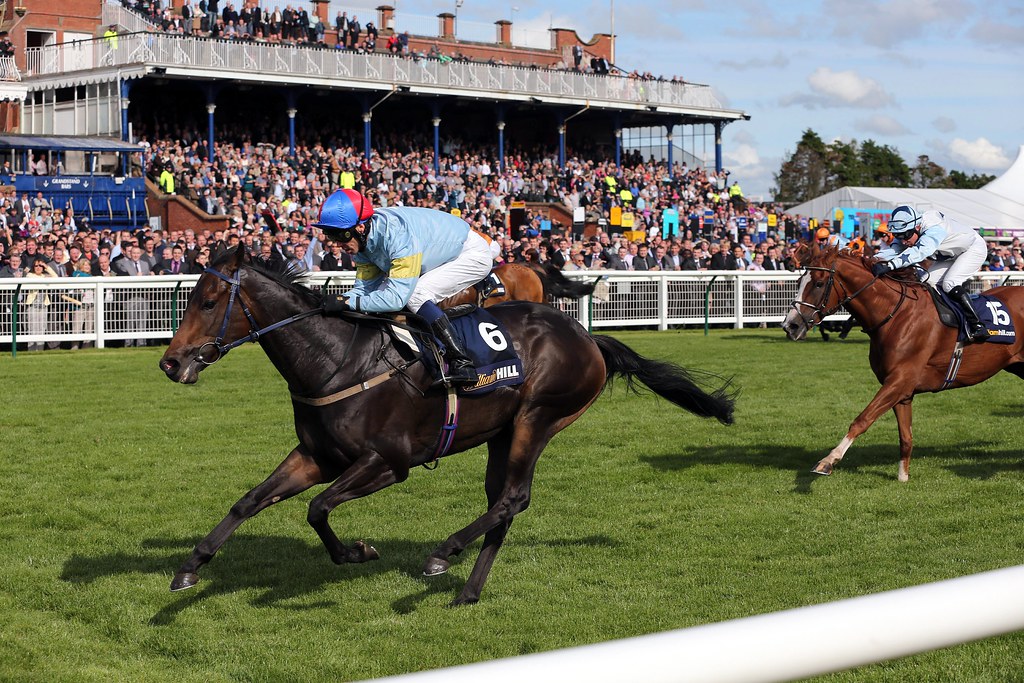

Ayr Gold Cup Ante-Post Analysis and Tips Preview
This expansion builds on the Ante-post Analysis notes already on the page, adding context on form, race trends and betting approach for the Ayr Gold Cup weekend. It aims to help readers make better-informed decisions without encouraging irresponsible wagering.
Form, Trainers and Ground Analysis for Ayr
Assessing recent form, trainer patterns and expected ground are central to ante-post thinking ahead of declarations and final declarations day. This section sets out practical angles to weigh when considering Navassa Island, Rohaan or bigger-field handicappers at Ayr.
Navassa Island: pedigree, form and chances explained
Navassa Island showed encouraging Group-level form on debut and a clear uptick when dropped back to six furlongs at the Curragh, which makes her an interesting juvenile entry for Ayr. Her pedigree suggests she may handle a soft surface, but any ground uncertainty should be noted when comparing odds.
Trainers often favour proven juvenile speed in sprint handicaps, and Michael O’Callaghan’s decision to revert to six furlongs points to a clear plan. Consider programme patterns and the quality of rivals when sizing up her ante-post price.
Interpreting official ratings and weight adjustments
Official ratings and any subsequent weight adjustments can change a horse’s chance in a big handicap like the Ayr Gold Cup, especially after recent runs or dropped marks. Always check the weights as declarations approach because a small shift in the card can materially affect relative chances.
Where to find reliable racecards and live updates
Use official racecards and respected racecourse or bookmaker live pages for up-to-the-minute declarations, jockey bookings and non-runners lists. Those sources reduce the risk of acting on outdated information when placing ante-post selections.
Rohaan: class drop, past Group form and claims
Rohaan’s profile as a once-highly rated horse dropping into a competitive handicap is an established route to success when the assessor lowers marks after poor runs. His history on soft or heavy ground and prior Group placings indicate latent class that could be decisive if Ayr gets rain.
Connections and recent training reports are useful signals for improvement, and Raiding trainers who return to effective trips often find a performance boost. At 14/1, Rohaan represents a value angle if you believe the rain will play to his strengths.
Trainer form cycles and programme entries explained
Trainers move horses between codes, trips and targets to manage form cycles; study recent entries and how camps place their horses in similar pattern races. A trainer in good flat handicap form is often a more reliable guide than headline ratings alone.
Ayr Gold Cup: track, draw bias and ground guide
Ayr’s seven-furlong straight and prevailing draw trends can favour horses with tactical speed or those capable of settling and delivering a late run depending on the ground. Local weather forecasts and the going description on the day are key inputs for ante-post decisions.
Draw bias in big-field sprints is not fixed and changes with rain and field size, so avoid over-reliance on a single seasonal stat; combine draw with pace maps, sire trends and recent course form for a fuller picture. Stat-driven context is helpful but should not replace fresh racecard checks ahead of the day.
Weather forecasts, going changes and betting impact
Short-term weather can convert good to soft, a change that helps some profiles and hinders others, so monitor forecasts in the 48 hours before the race. Ante-post odds should be reassessed when official going is published, and any significant change may justify trading or hedge decisions.
Recent Ayr Gold Cup winners and race trends
Studying recent winners shows that a mix of high-rated ex-Group types and progressive handicappers succeed, often depending on whether the ground turns soft or remains quick. Trends such as age, recent run pattern and exposed form in big-field sprints are good filters for ante-post shortcuts.
Noting the paths of previous winners—whether they came from higher class or were progressive handicappers—helps place Navassa Island and Rohaan in the broader historical context. Use trends to narrow bets to candidates who meet multiple winning profiles rather than backing on name alone.
Jockey bookings, draw and tactical implications
Jockey selections can clarify a horse’s intended tactics and give insight into connections’ confidence levels; a first-choice rider booking can be a positive ante-post signal when paired with solid form. Similarly, early draw indications can influence whether a speedster or a hold-up type has the better chance.
Keep an eye on last-minute jockey switches and declared tactics as these often follow a late-plan change or ground expectation. Combining jockey notes with pace maps and sectional data offers an edge when assessing ante-post prices.
Ante-post market moves and signalling value
Ante-post markets incorporate inside information to some degree and often move as trainers tweak entries, change tactics or reveal improved gallops at the stable. A sustained drift usually means the market judges a horse to have a lower chance, while steady shortening can suggest increased confidence from backers or knowledgeable connections.
Market movements are one input among many; match moves to independent indicators such as stable form, owner patterns and race conditions before altering any stake. Avoid reacting to every tick and instead look for consistent, corroborated signals.
Using each-way terms and payout calculations sensibly
When considering ante-post each-way bets, check the specific terms and corporate each-way allowances across bookmakers to see which offers the best value. Each-way value can sometimes be superior to simple win bets in large fields, but the cost of reduced liquidity and non-runner rules must be understood.
Practical staking plans and risk management advice
Ante-post betting should be a small, considered part of an overall staking plan because non-runners and late changes add volatility to outcomes. Use flat staking or proportional stakes tied to confidence levels and treat ante-post as a long-term portfolio rather than a short-term income source.
Limit individual ante-post exposure to a small percentage of your total bankroll and use loss limits and self-imposed cooling-off periods to manage risk. Keep records of bets and review them to refine future ante-post decisions.
Responsible betting: limits, tools and bookmaker help
Betting is for adults aged 18+, and it is essential to set deposit, stake and time limits before placing ante-post bets to protect yourself from harm. If you feel bets are becoming problematic, use bookmaker tools to restrict activity and seek support through recognised UK resources.
How to use bookmaker comparison tools responsibly
Comparison tools help identify the best odds and welcome offers but should be used objectively to inform choices rather than to chase glamour or quick wins. Compare free bets, enhanced odds and each-way terms while factoring in the sustainability of sitting with a single firm versus shopping around.
We encourage readers to explore bookmaker comparison services to find suitable terms and to be transparent about affiliate links; these comparisons are informational and should never replace personal risk controls. You can explore current bookmaker offers through our comparison tools if you choose to bet responsibly.
Where to find reliable racecards and live updates
Official racecards on racecourse websites, trusted racing channels and major bookmaker platforms provide the most reliable declarations and real-time updates. Cross-check multiple reputable sources in the 24 hours before racing to ensure your ante-post assumptions remain valid.
Final verdict: selections, odds and notes to watch
Summing up, Navassa Island offers a juvenile speed angle with potential on a sound surface and perhaps more if the ground turns kinder, while Rohaan carries class and a proven soft-ground profile that could be decisive if rain arrives. Both warrant consideration but with appropriately small ante-post stakes given the uncertainty inherent in large-field sprints and two-year-old progression.
Keep monitoring official declarations, going reports and market moves before committing further funds, and remember that ante-post is about managing risk over time rather than seeking instant results. If you decide to bet, do so within personal limits and with an understanding of non-runner and void bet rules.
Explore our top recommended sports bookmakers and their free bets to compare current welcome offers and terms if you choose to bet responsibly. You can also view offers from our affiliated casino partners at our casino bonus page for new customer bonus information.
Frequently asked questions about Ayr Gold Cup ante-post bets
Q: What is ante-post betting and why use it for the Ayr Gold Cup?
A: Ante-post betting means placing a wager before the final declarations; it can offer bigger prices but carries non-runner risk, so stakes should be smaller and carefully managed.
Q: Are there specific form angles for Navassa Island to consider?
A: Yes—look at juvenile sprints, how she handles six furlongs and her performance against subsequent black-type horses to judge likely competitiveness at Ayr.
Q: How does Rohaan’s past Group form affect his handicap chance?
A: Previous Group wins suggest class that can be effective dropped into a big handicap, particularly on softer ground, but recent form and ratings movements must be checked before betting.
Q: What role does the going play in selecting horses for Ayr?
A: The going is crucial; a switch to soft or heavy often favours horses with proven stamina/sire preference for cut in the ground, while firmer ground suits sprinters with sharp speed.
Q: How much of my bankroll should I risk on ante-post selections?
A: Limit ante-post exposure to a small percentage of your total bankroll, use consistent staking and avoid increasing stakes to chase losses; always bet responsibly and only if aged 18+.
Q: Where can I check reliable bookie terms and each-way conditions?
A: Use reputable bookmaker comparison sites and official bookmaker pages to compare odds, each-way terms and non-runner rules before placing ante-post bets.
Q: What should I do if the market drifts or shortens significantly?
A: Reassess based on corroborating evidence such as stable reports or jockey bookings; avoid reacting to short-term volatility without supportive information.
Q: Who can I contact for help with gambling-related concerns?
A: If gambling is causing harm, seek support from UK organisations and use bookmaker responsible gambling tools; help is available and betting should always remain recreational for those aged 18+.