

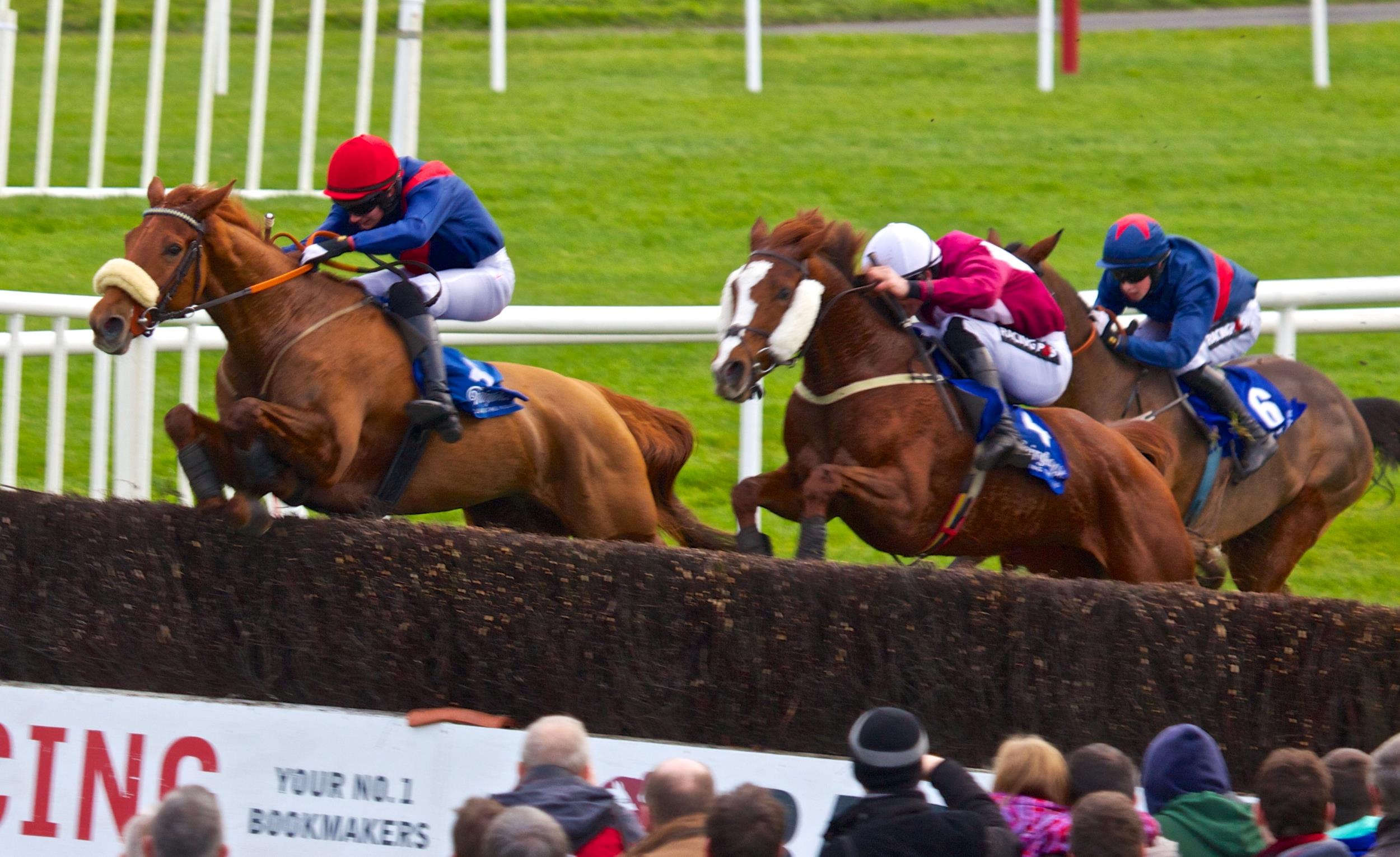

Aintree Grand National Day 3 Tips and Analysis
This expansion adds context and tactical guidance to the Day 3 tips already on the page, helping readers make informed decisions ahead of Aintree’s big races. Content is editorial and informational; betting is for those aged 18 and over and should be done responsibly.
How to approach betting on Aintree Grand National
Aintree’s meeting mixes high-class staying hurdles and the unique challenge of the Randox Grand National, so a measured approach to form study, market interpretation and staking is essential. Always consider race distance, ground, jumping reliability and any late jockey or declaration changes before placing a stake.
Key form pointers for major Aintree races
Look for proven form around three miles plus for the Liverpool Hurdle and Maghull Novices’ Chase, and for the National specifically watch for horses with long-distance chase experience and good recent jumping records. Horses that have handled strong galloping tracks and exposed fields often transfer well to Aintree’s tempo and fences.
How recent form lines affect chances over distance
Recent staying form is more predictive than older short-distance wins; a horse who has finished strongly over extended trips will usually prove more resilient over Aintree’s testing fences. Consider whether that recent form came on similar ground and against comparable rivals to judge likely progression or regression.
Grand National trends, stamina and jumping tests
The Grand National requires stamina, tactical speed and the ability to jump reliably under pressure, so trends favour thorough stayers who maintain form through the winter and spring. Avoid placing heavy reliance on single impressive wins without consistent staying form or sound jumping at speed.
Bookmaker pricing, place terms and market moves
Understand each-way terms and the bookmaker’s place structure before committing to a bet, as seven to eight runner place terms differ markedly from standard three or four. Monitor market moves from declarations and morning markets; sharp shortening can indicate confidence while late drift may reflect negative news.
Race-by-race notes and contextual betting angles
Use these notes to complement the existing runner selections: for the opening 1:20 handicap hurdle look for horses proven off similar marks and distance, and in the Liverpool Hurdle prioritise proven Grade 1 form over unexposed types. For the Grand National itself, balance recent form with the unique characteristics of a horse’s career, checking novice chasing runs for stamina clues.
Weather, ground conditions and race-day adjustments
Ground can change the outlook for several horses on the card, so incorporate up-to-the-minute going reports into your assessment and consider trainers’ historical records on specific surfaces. If heavy or soft conditions materialise, place greater weight on horses with a record on testing ground or on heavy tracks in Ireland and Britain.
Staking plan, value seeking and responsible play
Adopt a clear staking plan that reflects the increased variance of large-field handicaps and showpiece staying races; small percentage stakes and defined maximums protect the bankroll over a festival week. Value-seeking is essential, but it must sit inside a disciplined staking structure rather than chasing large multiples or longshots without rationale.
Practical staking: percentages, each-way and multiples
Consider a tiered approach where singles receive a modest percentage, each-way bets a reduced percentage and multiples are reserved for extra-value combinations only. Avoid staking more than your pre-set allocation on a single selection, and do not increase stakes after losses in an attempt to recover — that is both risky and unsustainable.
How trainers and jockey bookings change value
Trainer targets, stable form and jockey bookings can reveal intentions and likely performance levels; a top jockey taking a valuable ride often improves a horse’s chance and can justify market movement. Look for horses that have been specifically prepared for Aintree, as indicated by recent entries, schooling reports and declared weights.
Checklist for assessing Grand National each runner
Create a quick checklist: recent jumping form, distance stamina, weight carried, age profile, trainer’s record at Aintree and any recent wind or equipment changes. Use this checklist to filter larger fields down to a manageable shortlist rather than trying to assess every runner in depth on race day.
Interpreting weights, penalties and handicapping clues
Weights and penalties in handicaps and the National can drastically alter perceived chances; horses dropping in weight or receiving allowances often offer angle-based value. Compare current marks with peak ratings and assess whether a mark is potentially lenient or punitive given a horse’s recent performances and race conditions.
When to favour experienced stayers over young types
In long-distance contests and the National, proven experience at distance and with big fields is normally an advantage over unexposed younger horses, who can be vulnerable to pressure late in the race. That said, progressive younger horses with clear stamina indicators can still outrun their odds, so weigh age against form and context rather than rule it out entirely.
Selecting big-race outsiders versus single-race bankers
It is sensible to back a single banker in a defined part of the card if you have high conviction, but diversify in the Grand National where variance is significant; consider multiple each-way punts at sensible prices rather than a sole large liability. Identify outsiders with clear form claims or course experience rather than backing longshots purely on price.
When to favour experienced stayers over young types
(Repeated here to provide expanded context) Experience over similar distances is a useful proxy for stamina and race intelligence, particularly when conditions are testing or the field is large. Young improvers remain worth tracking, but only if they display credible staying form and sound jumping at speed.
Checking entries, declarations and late market moves
Declarations, non-runners and jockey changes can all reshape the market, so re-run your filter after the five-day and final declaration stages and watch for significant overnight market shifts. If a horse is strongly supported late, seek to understand why — it could be local knowledge or positive stable reports — and decide whether that information materially changes your view.
How recent form lines affect chances over distance
(Additional note focused on longer races) Horses stepping up from shorter trips should have shown an ability to stay on strongly in their most recent runs, and look for wins or placings over two and a half miles or more as proof. Conversely, a string of short-distance wins without staying form should alert you to potential stamina questions.
How to use race replays and data to refine picks
Watch replays for jumping fluency, ground handling and race positioning, as these aspects are not always obvious from form lines alone; a horse that recovers well from a bad jump is often more reliable over big obstacles. Combine visual study with official and unofficial data — sectional times, finishing speed and sectional form — to form a rounded view.
Bookmaker pricing, place terms and market moves
(Further emphasis) Use bookmaker comparison tools to ensure you get the best available odds and place terms, and remember that small differences in place terms can materially alter the expected value of each-way bets. If you plan to use multiple bookmakers, open accounts in advance and familiarise yourself with their specific terms to avoid surprises.
Practical race-day routines and account preparation
Have accounts verified, funds in place and a firm plan for which bets you will place pre-race and at the off; fluid markets require quick, calm decisions rather than panic. Keep staking notes and a list of alternates should your primary selection be withdrawn to avoid impulsive choices in the moments before a race.
Practical staking: percentages, each-way and multiples
(Reinforced guidance) Record keeping of stakes, returns and outcome rationale improves future decision-making and prevents emotional over-betting, especially across a busy festival. Betting should be for entertainment and strategic engagement with the sport rather than a route to income, and losses must be accepted as part of normal variance.
Explore current bookmaker comparisons if you choose to bet, but remember betting is for those aged 18 and over and should be done sensibly. You can explore our recommended bookmakers and their free bet offers here: https://bestofbets.com/free-bets.
For players who also enjoy casino offers, our affiliated casino bonus page lists current welcome offers and terms responsibly here: https://bestofbets.com/casino-bonus.
What should I check before backing a Grand National horse?
Check recent jumping form, stamina over similar distances, the weight carried and any declarations or jockey changes before betting. Remember bets are for those aged 18+ and should be placed responsibly.
How do each-way terms affect small stakes and value?
Each-way value depends on the number of places paid and the fraction of the win odds on offer, so compare terms across bookmakers to maximise returns. Small stakes benefit from better place terms, but never assume generous places are guaranteed.
Is there a simple staking plan for big handicaps?
A simple plan is to use fixed percentages of your bankroll for singles and smaller percentages for each-way or multiples, with a cap on total exposure per race. Staking consistently helps manage variance and keeps betting responsible and sustainable.
How important are recent jumping errors and falls?
Recent jumping errors can signal a lack of confidence or fitness, while a fall or heavy mistake may have lingering effects; assess recovery and subsequent schooling or runs. If in doubt, reduce your stake rather than chase perceived value.
Where can I compare bookmakers and find free bets?
Use bookmaker comparison pages to locate the best odds, welcome offers and place terms, and always check the specific terms and wagering requirements before accepting any free bets. Our free bets comparison lists leading offers responsibly for those aged 18 and over.
What responsible gambling steps should every bettor follow?
Set limits, stake only what you can afford, take breaks and use self-exclusion or deposit-limits offered by bookmakers if needed. Betting should not be used to resolve financial problems and is for entertainment purposes only for those aged 18+.