

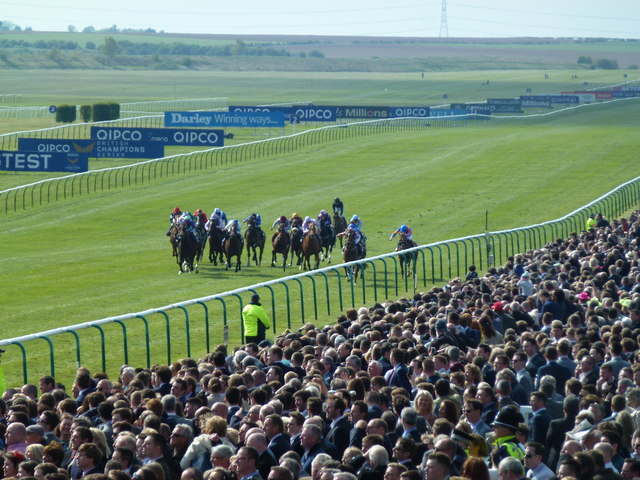
Autumn Saturday Racing: Newmarket, York, Chepstow Tips
This companion analysis expands on the race-by-race tips supplied for Newmarket, York and Chepstow, adding context for form, ground, trainers and sensible staking. It is written to help UK readers interpret the cards and manage markets responsibly when following the selections.
How to approach a busy Saturday of UK racecards
Busy Saturdays require prioritising value, avoiding overload and focusing on the races where you can form a clear view from form lines and track behaviour. Keep stakes manageable, plan a clear bankroll allocation and consider backing selectively rather than chasing numerous small plays.
Newmarket Fillies’ Mile: form, pace and tactics
For the Fillies’ Mile, the key is to weigh proven soft-ground form against class and breeding; a filly bred for stamina on good ground can still be inconvenienced by cut-up turf late in the season. Pay attention to draw, early pace and whether the drop back or step up in trip is logical for each contender.
Ballet Slippers: breeding, ground and trainer notes
Ballet Slippers’ pedigree and Ascot maiden form merit respect, particularly given a strong dam line and a sire who produces precocious and durable types. If the ground is softer than ideal, her breeding suggests she can handle it, but confirm the going and any late rain before committing to a wager.
Market signals and jockey/trainer interactions at Newmarket
A change in jockey booking or an indecisive market can be informative; connections sometimes switch riders based on small fitness clues or perceived suitability to the surface. Observe market moves in the hour before the race and consider whether any late money is backed by reputable firms or recurring patterns.
York Finale Handicap: assessing Who’s Glen’s claims
In small-field handicaps like the York finale, form lines can be clearer but margins tighten, so strike a balance between recent dominant performances and handicap adjustments. A 14-length win at Chester is eye-catching, but consider weight, trip suitability and how the runner performs away from that racecourse.
Who’s Glen: Chester form, handicap and trainer edge
Who’s Glen’s Chester demolition suggests genuine improvement, and Andrew Balding’s strong season record gives extra confidence in the preparation. Check the official handicap mark and whether comparisons with the likely main market rivals still leave him with a realistic chance under current conditions.
Small-field tactics and pace maps for York handicaps
Small fields often turn into tactical sprints where one prominent pace setter can dominate or a hold-up horse can profit if the tempo collapses. Build a basic pace map from recent runs to see which horses are likely to lead and which to expect to arrive late, then weigh that against each horse’s preferred racing style.
Chepstow jumps opener: novices and veterans analysed
Early-season jumps meetings can produce lively markets because some horses return fresh and others are improving from point-to-point or bumper form. Novices may surprise on seasonal debut, while veterans often show reliable patterns that handicapper adjustments have yet to fully reflect.
Ryan’s Rocket: Taunton maiden and breeding clues
Ryan’s Rocket’s Taunton maiden is a sensible starting point; half-brother form and solid novice book form are often the best predictors for early hurdle season success. Look at how the gelding jumps in the parade ring and any track gallops reported, as those details frequently show readiness for a seasonal reappearance.
Good Boy Bobby: veterans’ chase record and trends
Good Boy Bobby’s record fresh and previous course form mark him as a credible contender in the veterans’ chase; veteran chases reward consistency and course knowledge as much as peak ability. The handicap mark and whether he carries a pound higher than his last win are central to judging his present chance.
Using bookmaker comparison tools and free bets sensibly
Bookmaker comparison tools are useful for spotting the best available prices and any non-stakes enhancements, but use them as price-checkers rather than as incentives to over-bet. If you choose to take a welcome offer or free bet, read the terms carefully and treat such promotions as marginal value enhancers rather than reasons to stake more than planned.
Staking and market management for busy race meetings
A simple staking plan works best on busy cards: define a unit (for example 1% of your bankroll) and stick to it, reducing stake size for speculative selections and sizing up only where you have a strong edge. Spread your attention across races you genuinely understand and use early money or price drift as additional data rather than sole decision drivers.
Applying value staking and loss-limiting methods
Value staking—where stakes are proportional to assessed edge—can be applied in a simplified way by assigning 1–5 units according to confidence, without escalating after losses. Set daily and session loss caps to protect the bankroll from emotional decisions during a long Saturday of betting.
Live markets and in-play considerations
Live markets offer opportunities but move faster and with greater noise; avoid over-reacting to volatile price swings unless you can clearly identify a mispriced market. Use in-play primarily when you have a specific plan, such as trading out to lock a small profit on a favourite or laying off a bet where form suggests late weakness.
Reading form, going and trainer stats for autumn cards
Autumn racing often features a softer turf and trainers who target specific fixtures, so compile form lines that include seasonal preferences, course records and any recent wind surgery or equipment changes. Trainers with strong recent runs or jockeys with good strike rates at a meeting provide useful context for any selection.
Interpreting seasonal and course biases
Some tracks ride differently in the autumn and support frontrunners, while others slow up and suit hold-up types; use recent meeting analysis to identify those biases. Combine that with horse-level indicators like win rate fresh or October form to build a rounded view before placing a bet.
How to use official ratings and weight adjustments
Official ratings give a baseline for comparison, but adjust them for evident improvement or decline, and for horses that run better at particular distances. When a horse carries a few pounds more than last time, factor that into your win expectancy rather than assuming the raw form line is unchanged.
Responsible staking, age limits and safe betting practices
This site is for readers aged 18 and over only; if you are under 18 you must not bet. Responsible betting means treating gambling as entertainment, not a way to solve financial problems, and keeping stakes within a pre-set budget aligned to your disposable income.
If gambling causes harm or you suspect a problem, access support through organisations such as GamCare and set practical controls like deposit limits, time-outs and self-exclusion. Betting should never be portrayed as a route to improved status or quick financial gain.
You can explore our updated bookmaker comparisons and free bet offers to see current prices and promotions before deciding to stake, but please only bet within your limits and in a considered way. For casino players, our casino bonus listings detail welcome offers and terms so you can make an informed choice about entertainment options.
Compare current bookmaker free bets and welcome offers here to check the best available prices and promotions responsibly. See our casino bonus page here for the latest casino welcome bonuses and their conditions.
Frequently asked questions about betting on these meetings
How should I weigh form vs ground on soft days?
Prioritise horses with proven form on similar going and consider breeding that suits softer turf; a horse with little soft-ground evidence is a greater risk. Always check the official going report before betting.
Are veterans’ chases predictable from last year’s results?
Veteran chases show patterns but are influenced by age and recent preparation; previous course wins are useful indicators but not guarantees. Assess recent runs, seasonal fitness and any weight changes to refine expectations.
Where can I compare bookmaker odds and free bet offers?
Use reputable comparison pages to view multiple bookmaker prices and the headline terms of free bet offers, then read full T&Cs before claiming. Comparison tools help find better value but do not replace careful staking judgement.
How much should I stake on a single race each day?
Define a unit size aligned to your bankroll and bet proportionally; avoid staking higher just because there is excitement around a big card. Conservative unit staking and a clear loss limit protect you across a busy Saturday.
What indicators suggest a horse handles soft ground well?
Look for previous wins or strong finishes on soft or heavy going, plus breeding from stamina-oriented lines that tolerate cut-up turf. Trainer commentary and observed schooling on soft ground add further assurance.
Is it sensible to use multiple bookmakers for market value?
Using several bookmakers to secure the best odds is sensible and can improve long-term value, but spread bets responsibly and avoid opening accounts you won’t use. Ensure you understand offer terms and remain within your staking plan.
All betting content is for people aged 18 and over and intended for informational purposes only; gamble responsibly and seek help if gambling stops being fun.