

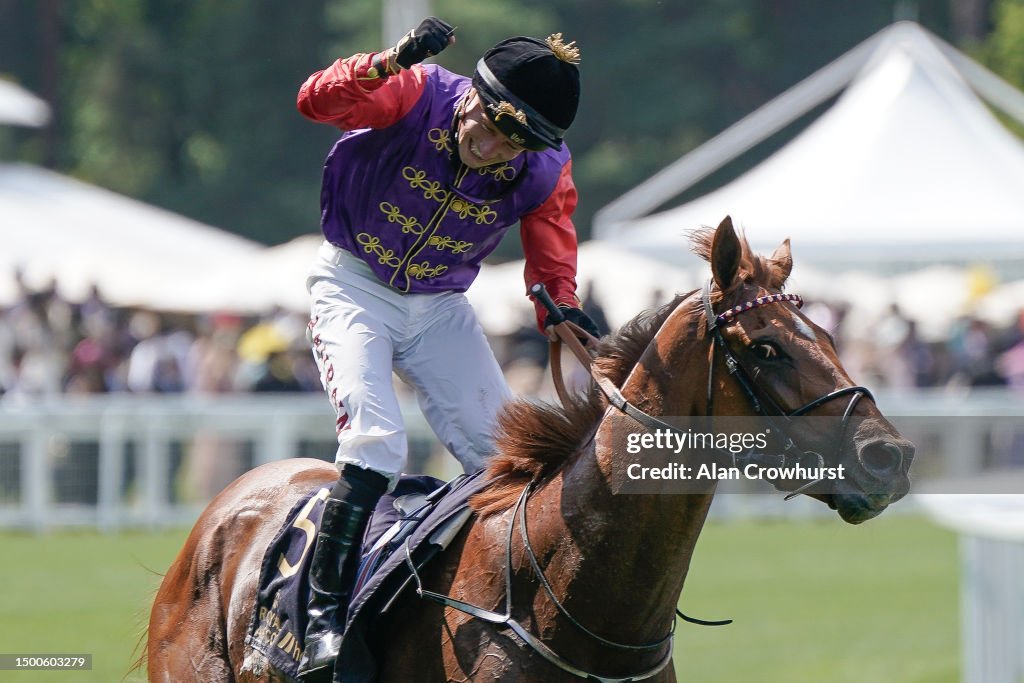

St. Leger week preview and betting commentary
This expanded preview complements our existing St. Leger coverage with deeper analysis of form, trainers and race variables that matter to punters and fans alike.
Form guide, trends and race conditions analysed
We break down recent form, seasonal patterns and how Doncaster’s surface and likely weather could influence the 1m6½f classic this weekend for three‑year‑olds.
Our aim is to provide clear, objective information to help readers understand the race without promising outcomes or encouraging irresponsible staking.
Desert Hero profile and season to date form
Desert Hero arrives on the back of a Royal Ascot Group race win and a Gordon Stakes success, making this step up to Group 1 and 1m4f-plus a meaningful test of stamina and class.
Connections, tactical versatility and the solid run of three wins from his last four starts are positives, but assessing how he handles the distance and ground is central to any evaluation.
How the extra distance shapes St. Leger outcomes
The move from middle distances to the St. Leger distance frequently separates pace horses from proven stayers, with energy conservation and late acceleration becoming critical factors in the closing stages.
Form lines from races at extended trips, pedigree indications and how a colt finished previous contests are reliable pointers when weighing each horse’s chances over the extra furlongs.
Frankie Dettori’s role and Leger context explained
Frankie Dettori’s likely mount, Arrest, adds an intriguing narrative given his veteran status and history in big races, but the booking also reflects connections’ views on ground and race shape.
Dettori’s tactical experience can be important in a race where position on turning into the straight and knowing when to press are decisive, yet the horse’s own stamina and form remain primary.
Betting markets to watch and value angles
Ante‑post, win and each‑way markets, plus non‑runner insurance and place terms, are all areas where value can be found, but prices should be weighed against likely ground, trip suitability and form cycles.
Look for shifts in the market after declarations, official going reports and any late rain that could affect leaders or late closers differently; small price changes can reflect meaningful information.
Key rivals, trainers and expected race tactics
Aidan O’Brien’s entries, including Continuous, Tower of London and others, plus John and Thady Gosden’s pairings, create a competitive field where multiple horses can be pegged as each‑way threats rather than single challengers.
Expect tactical battles where jockeys decide whether to ride for position early or conserve cover, and always consider which runners have shown aptitude for soft or heavy ground should conditions deteriorate.
Responsible betting tips and account management
Only bet if you are 18 or over and set a budget before placing any bets; consider stake sizes that reflect the speculative nature of ante‑post and big‑field handicaps.
If you have concerns about your betting, use bookmaker account controls and support tools, and seek advice from recognised gambling support services rather than trying to chase losses.
Doncaster track bias, ground and pace considerations
Doncaster’s St. Leger course often rewards runners who travel on the bridle and can quicken late, but the prevailing going is a strong determining factor in race shape and final finishing order.
Analyse sectional times from recent meetings, trainer comments about the surface and any expected rainfall, as these elements will influence whether leaders are vulnerable or favoured.
Pace and race shape influence on finishing positions
Races over extended distances can be won by horses that are patient early and have a powerful late surge, while fast early fractions can set up the race for hold‑up types, depending on jockey intent.
Study each runner’s typical pace pattern and recent rides to form a picture of likely mid‑race positions, then map how that could interact with Doncaster’s turning and straight runs.
Ground conditions and weather impact on selections
Many St. Leger hopes have run primarily on firmer ground this season, so a change to tackier conditions can favour those with proven soft‑ground form or pedigrees suggesting stamina and mud aptitude.
Pay attention to weather forecasts in the hours before declarations and check any trainer confirmations about how their horses have handled similar conditions in the past.
Market moves and ante‑post considerations for bettors
Ante‑post prices can offer value but carry non‑runner risk and require disciplined staking plans; consider the trade‑off between better early prices and the certainty of later match‑book markets.
Monitor moves after trial gallops, jockey bookings and stable notes, as one or two decisive market shifts often reveal inside confidence or changing expectations about the going.
Betting strategy for different stakes and objectives
If you favour each‑way plays in big fields, choose bookmakers with generous place terms and compare offers to find the best value rather than chasing shorter odds on the exchange alone.
For higher‑stakes punters, consider a spread of small stakes across plausible placings rather than concentrating large sums on a single selection, and never stake more than you can afford to lose.
In‑running tactics, cash‑out and late inspection choices
In‑running betting presents opportunities when a horse is out of position or the pace collapses, but liquidity and book prices can change quickly, so be selective and disciplined with live stakes.
Use late inspection reports and warm‑up visuals to refine views on how each horse travels, and avoid emotional reactions to crowd noise or celebrity narratives around a mount.
How trainers’ patterns influence St. Leger prospects
Look for trainers who target staying races with a clear plan; a string of runs geared towards stepping up in trip often signals genuine intent rather than opportunistic entries.
Historical trainer form in the St. Leger or over similar staying trips provides context, but always prioritise the horse’s current condition and how it has finished its recent races.
Form reading: what to value and what to question
Recent wins at listed or Group 3 level are useful indicators, but the manner of victory, the strength of the field and whether a horse has run out of its ground on previous attempts are crucial qualifiers.
Question form lines where horses have only faced weak opposition or have had long layoffs; look instead for consistent progression, favourable pace scenarios and relevant distance experience.
Planning stakes and using bookmaker comparisons responsibly
You can explore current bookmaker offers through our comparison tools if you choose to bet responsibly, and consider sign‑up terms, place structures and non‑runner policies when selecting where to bet.
Remember that offers should not drive your selection process; use them to enhance value within a sensible staking plan rather than as a catalyst to bet more than planned.
Find recommended bookmakers and free bet offers here to compare current sign‑up deals and place terms before you consider betting on the St. Leger.
See our affiliated casino bonus page here for the latest casino welcome offers if you are interested in gaming promotions rather than horseracing bets.
Frequently asked questions about the St. Leger and betting
Q: What distance is the Betfred St. Leger Stakes run over?
A: The race is contested over 1 mile 6½ furlongs, testing three‑year‑olds’ stamina and finishing speed at Doncaster.
Q: Is Desert Hero proven over the St. Leger trip?
A: Desert Hero has not yet raced over 1m6½f, so Saturday will be a first true test of his stamina at Group 1 level.
Q: How important is the going for St. Leger contenders?
A: The going is very important; some horses have proven wet‑ground form while others prefer firmer surfaces, and this can change race dynamics significantly.
Q: Should I place an ante‑post bet or wait until declarations?
A: Ante‑post bets can offer value but include non‑runner risk; weigh the better prices against your tolerance for that risk and stake responsibly.
Q: Are there any trainer trends to consider for this race?
A: Yes, trainers who have a clear staying programme and previous success with late‑season three‑year‑olds are worth noting when assessing contenders.
Q: What role does jockey booking play in deciding a selection?
A: Jockey bookings can indicate confidence and tactical plans, but they do not replace a horse’s suitability for trip and going when forming your view.
Q: Where can I get support if my gambling becomes a problem?
A: If you are concerned about gambling, seek help from recognised UK services and use bookmaker tools such as deposit limits and self‑exclusion; betting should be for entertainment only and only by those aged 18 or over.
Q: How should I manage stakes across multiple market types?
A: Decide a clear staking plan before markets open, split stakes between win and each‑way where appropriate, and avoid chasing losses or increasing bets after early market moves.