

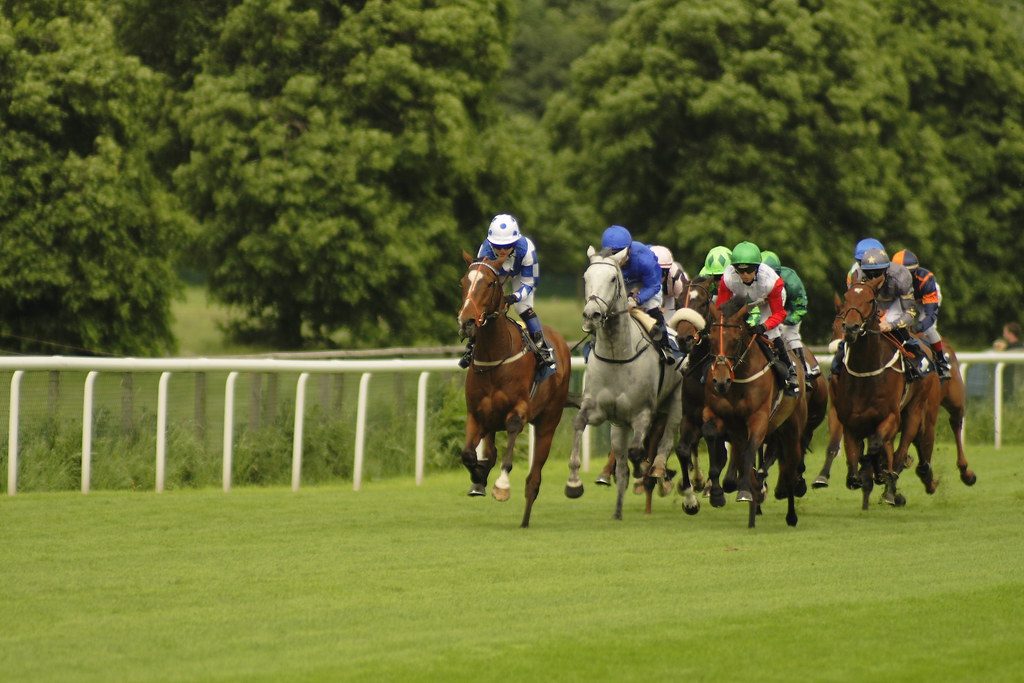

Royal Ascot 2023: Five Big Ante-Post Selections
This complementary guide expands on the existing Royal Ascot ante-post selections and explains the reasoning behind pace, form and value choices across the card. It is written for UK readers and those aged 18+, and encourages responsible gambling at all times.
How to assess pace, form and value ahead of Royal Ascot
Understanding how to read pace maps, recent form and handicap marks will sharpen any ante-post approach for Ascot’s distinctive straight and round courses. Keep staking sensible, never treat betting as a way to solve financial problems, and only wager if you are 18 or over.
Interpreting Craven and Guineas form for mile races
Craven and Guineas performances often offer the clearest pointers for the St James’s Palace Stakes and other mile contests, especially where GPS-style sectional data shows who finished strongly. Horses that improved into the race and handled a variety of draw and ground conditions tend to transfer best to Ascot’s mile.
Using pace maps and jockey bookings to forecast races
Pace maps help identify whether a race will be run at a true gallop or a steady tempo, which is crucial for judging Indestructible and Galeron in the mile division. Jockey engagements can confirm connections’ intent and show which rides are likely to press forward or sit handy.
Handicap traits that matter in the Royal Hunt Cup
The Royal Hunt Cup demands a blend of tactical speed, a good racing weight and a proven ability to handle a cut in the ground when required. Perotto’s profile—run style, mark and consistency—makes him one to watch in context rather than on headline odds alone.
Targeting improvers returning from freshened spells
Handicappers and trainers often get value from horses returning from a break if the stable has explained a positive wind-up plan. Look for those that showed progressive form before the break and receive a logical jockey booking.
Sprint strategy: six-furlong speed versus turn of foot
Sprints at Ascot can favour raw speed or horses with a sharp turn of foot depending on ground and draw; Emaraaty Ana’s case shows how an experienced sprinter can offset younger Australian rivals under the right conditions. Compare the pattern of recent runs to decide whether a horse needs a strong early lead or a late charge.
Managing stakes, bankroll and responsible betting limits
Set a clear staking plan and never stake more than you can afford to lose; treat ante-post picks as long-term interest rather than guaranteed returns. If gambling causes problems, use tools such as deposit limits or self-exclusion and seek support from recognised services.
Why age, ground and layoff history shape form lines
Age often matters at Ascot: four-year-olds like Orazio can thrive when stepping up against older rivals, while seven-year-olds like Emaraaty Ana may have tactical edges in specific sprints. Consider ground and the effect of a 50+ day break on a horse’s latest run when projecting improvement.
Targeting improvers returning from freshened spells
Horses coming back from a measured break can show notable uplifts if the rest was to correct a minor issue or to add strength. Inspect the sequence of runs: a pattern of progressive placings or closing splits often suggests further improvement is likely.
Assessing value and market movement in key ante-post markets
Watch how bookmakers react to strong support and insider market signals but avoid being led solely by shortening prices; value is relative to how a selection fits the race scenario. A horse halving in price may still be viable if the underlying form and conditions remain favourable.
Using pace maps and jockey bookings to forecast races
Races can change dramatically if a frontrunner is absent or confirmed, so reassess pace dynamics when jockeys and declarations are finalised. This is especially true in big handicaps and juvenile events where tempo dictates finishing positions.
Staking approach for a five-selection ante-post card
A balanced staking plan for five ante-post selections typically mixes smaller stakes across longer prices with a slightly larger unit on the selection you regard as NAP. Keep stakes proportionate to your bankroll and avoid chasing losses after a defeat.
Managing stakes, bankroll and responsible betting limits
Document your stakes and returns, set weekly or monthly limits, and consider flat stakes or a small percentage per bet to reduce variance. Remember that all betting involves risk and never borrow to gamble.
Practical tips for following Royal Ascot form during the meeting
Monitor declarations, going reports and rider changes in the 48 hours before each day to refine ante-post choices and in-running tactics. Use reliable bookmaker comparisons to check odds and available markets responsibly.
You can explore current bookmaker offers and compare odds responsibly via our free bets page to help inform your choices: BestOfBets free bets and bookmaker offers. For those also interested in casino promotions, you can view casino bonus offers here: BestOfBets casino bonus offers.
Common questions on Royal Ascot betting and tips
How should I read Craven form for St James’s Palace entries?
Look for finishing speed, where the horse raced in the track and whether the run involved trouble; horses that sustained a strong late move often transfer well. Always factor in ground and any subsequent improvement in form.
What matters most in the Royal Hunt Cup market?
Weight, draw and current handicap mark are crucial, along with proven course form and tactical speed. Consider horses dropping a little in mark or with clear run style advantages.
Are older sprinters reliable in big six-furlong sprints?
Experience can be important, but form on similar ground and recent sharp runs often trump age alone; assess each case by recent performances. Keep stakes modest on long-priced sprinters despite appealing form lines.
How should I adjust ante-post bets if conditions change?
Re-evaluate pace, ground and jockey declarations as information emerges and be prepared to scale stakes down rather than chase market moves. Ante-post bets carry extra risk, so maintain smaller stakes than on day-of-race wagers.
Is backing each-way ante-post advisable at Royal Ascot?
Each-way value can be sensible for handicaps and large-field sprints where place terms are reasonable, but always check the bookmaker’s place policy. Keep stakes proportionate and avoid treating each-way terms as guarantees.
Where can I find trustworthy bookmaker comparisons for Ascot odds?
Use established comparison tools and our bookmaker pages to view available odds and responsible bet controls before placing any wager. Only bet if you are 18+ and gamble responsibly; use account limits or help if needed.
What should I consider for late declarations and jockey switches?
Late changes often indicate a strategic pivot by connections and can materially alter a horse’s chance due to different riding styles or race positioning. Reassess pace and tactical fit after any significant riding change.
How can I manage losses during a busy meeting like Royal Ascot?
Set a loss limit before the event and stop betting when it is reached, treating racing as entertainment rather than income. Seek support if gambling becomes a problem and use available protection tools.