

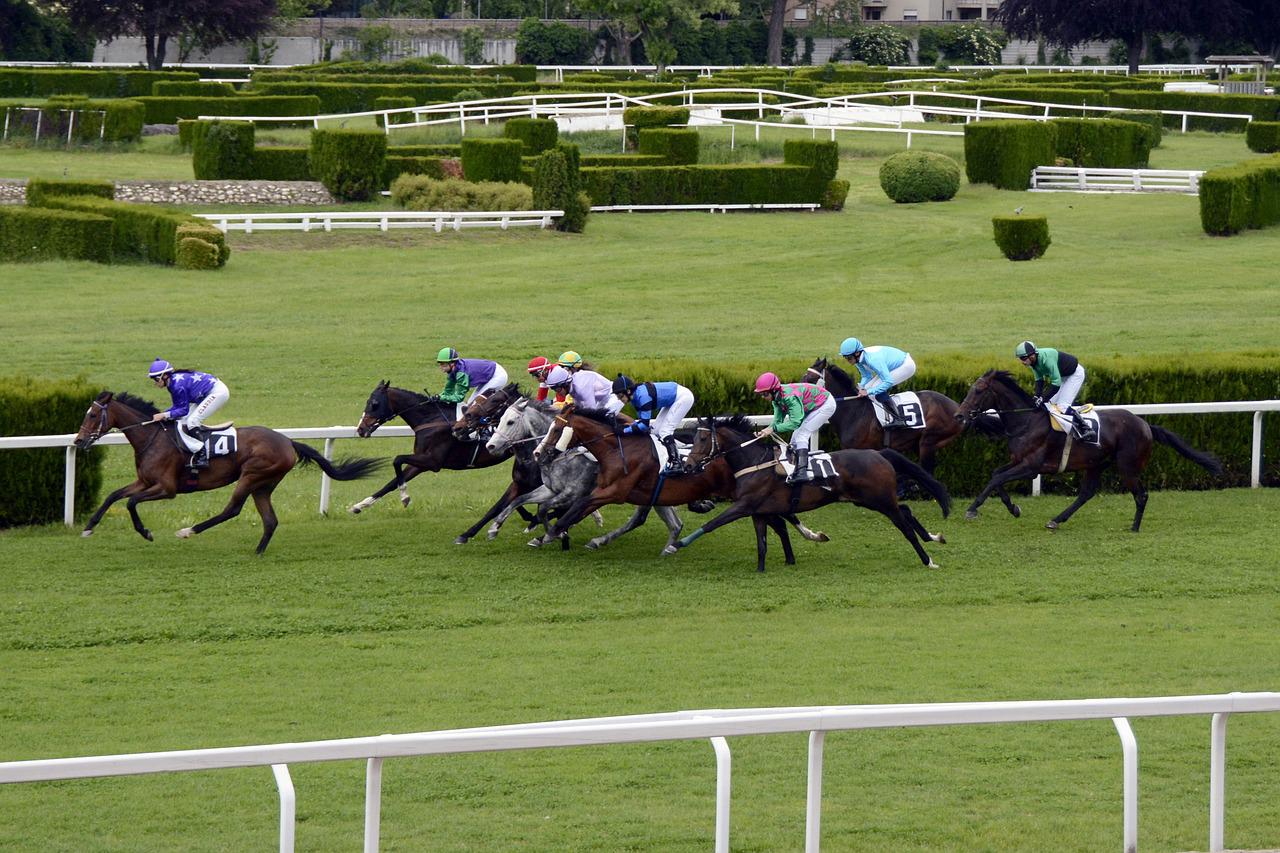

Grand National 2023: Expanded Tips and Analysis
The Randox Grand National is a unique challenge where handicaps, stamina and luck combine in unpredictable ways, and this expanded analysis aims to give context to the six horses highlighted on the existing page. We set out how to read form, markets and conditions so readers can make informed, responsible choices when following the race.
How weather, fences and form shape the race
Ground conditions and wind on the day affect which types of horses will stay the 4m2½f and handle the Aintree fences, so factor in recent runs on similar turf when assessing prospects. Trainers’ preparations and schooling reports often signal whether a horse is ready to endure the unique rhythm of the National rather than only relying on headline form.
Key reasons to consider the six highlighted runners
Each of the six picks from the original content carries distinct trends — from Cheltenham cross-country form to proven staying ability and favourable jockey bookings — and those factors should be weighed alongside handicap marks and draw. Rather than seeking certainty, the aim is to identify circumstances where a runner’s profile matches likely race conditions and market opportunity.
Delta Work: form, fences and Cheltenham form guide
Delta Work’s recent Cross Country success at Cheltenham underlines his stamina and jumping fluency, which are essential over Aintree’s extended fences and testing terrain. When considering him, balance the yard’s fitness signals with the rise in handicap and the quality of opposition who also relish soft or heavy ground.
Any Second Now: close calls and route credentials
Any Second Now arrives with a consistent pattern of high-placed finishes in previous Nationals and big handicaps, suggesting the 11yo handles the scope and pressure of the race better than many. Punters should note his higher handicap and age-linked questions at the finish, then judge whether the likely early pace will set up a strong late run.
Our Power: stamina, Cheltenham absence and scope
Our Power’s route to Aintree via long-distance wins indicates genuine staying power, while the missed Cheltenham engagement means he might arrive fresh and primed specifically for a National trip. Pay attention to any schooling reports and the jockey’s tactics since new approaches can unlock a stayer’s peak performance over extended distances.
Coko Beach: French form, jockey change and speed
Coko Beach has improved since switching yards and the booking of Harry Cobden adds a tactical edge and course experience that can be pivotal in big-field races where positional sense matters. The horse’s recent Punchestown win and ability to handle a test of speed for a staying chaser make him an interesting contender if the ground allows a true staying test.
Sam Brown: experience, course record and staying
Sam Brown brings Aintree experience and a previous National-class win on his CV, which matters in an event where composure around severe fences reduces the risk of late fatiguing or mishaps. Horse-by-horse, experience over the Mildmay course and proven recovery between runs are practical screening tools when assessing form for such a gruelling contest.
Fortescue: Becher form, Ascot win and placing chance
Fortescue’s Becher Chase form and an Ascot victory show the combination of jumping resilience and return to form that can translate into a strong National performance, particularly where bookies offer generous place terms. For value-driven bets, horses like Fortescue can appeal to each-way players who prioritise consistent course form and durable soundness.
What pace, stamina and jumpability tell us about chances
Assessing pace helps determine whether a race will string out or bunch up, which in turn affects hold-up horses versus front-runners, and analysing a horse’s ability to cope with repeated big fences is vital in the National. Combine footage of previous long-distance performances with sectional data where available to understand whether a candidate can conserve energy and produce a decisive late surge.
Bookmaker markets: how to spot genuine value odds
Value is not simply the biggest number on the board; it is an odds-to-probability judgement based on form, conditions and alternative market opinions, and comparing prices across firms will reveal where bookmakers disagree. Look for consistent drift or support across multiple firms and consider whether enhanced each-way or extra-place promotions affect the implied value of a selection.
Interpreting recent form over fences and distances
Recent clarity of form over comparable fences is a good guide, because a win over a shorter trip does not always translate into staying 4m races, while close finishes over extended trips often indicate a reliable staying engine. Benchmark horses’ finishing sections and recovery after heavy efforts to judge whether they can handle Aintree’s late marathon without losing form sharply.
How trainer and jockey combinations influence odds
Trainers with focused National preparations and jockeys with a record of getting the best from stayers deserve extra consideration, since their experience can influence pace judgment and fence navigation on the day. Market movements can reflect inside knowledge of schooling sessions, fitness and race tactics, so place greater weight on stable trends than on headline reputations alone.
Using in-running markets and place terms sensibly
In-running markets can be useful for reacting to how a horse settles and jumps on the day, but they demand discipline and a clear exit strategy because volatility is high in big-field steeplechases. When bookmakers extend place terms for the National, weigh whether those extra places genuinely increase value based on the likely pace map and the number of credible finishers.
Strategies for betting responsibly on big-field races
Decide your stake before studying the race and use a fixed percentage of a pre-defined bankroll to avoid impulse decisions driven by emotion or overconfidence. Focus on a few selective wagers that match your analysis rather than buying tickets on many outsiders purely for the entertainment value, and always treat betting as a form of paid entertainment.
Stake sizing, bankroll rules and long-term thinking
Staking plans such as fixed-stake units or percentage-of-bankroll approaches help protect your funds and make outcomes easier to evaluate over the long term instead of chasing short-term recovery after losses. Avoid staking larger proportions for headline races simply because the event feels special; consistency preserves bankroll and keeps choices rational.
Avoiding common biases when backing big outsiders
Herd behaviour, recency bias and favourite-longshot bias can distort judgement — separate media hype and sentimental narratives from data on form, ground and suitability before placing any wager. If you want to back an outsider, do so within a disciplined staking plan and ensure the selection has a coherent case rather than relying on nostalgia or name recognition alone.
How to use bookmaker comparison tools effectively
Comparison tools help identify the best price and best place terms, and should be part of your routine rather than an afterthought, especially ahead of a market as fluid as the Grand National. Also consider free-bet offers, enhanced odds and extra-place promotions as factors that materially alter the value equation, but factor in any wagering requirements or restrictions when evaluating them.
Watching the race and in-play considerations
If you follow the race live, note whether the early pace is honest and which part of the course is causing trouble, because these observations should inform any in-running decisions and post-race reflections. Bookmakers often change prices rapidly during the race; have clear rules for cutting losses or taking small profits rather than reacting emotionally to sudden swings.
Final checklist before placing a Grand National bet
Confirm the ground, final declarations, jockey confirmations and any last-minute non-runners, then check whether the market and place terms align with your value assessment. Ensure your stake fits your pre-determined plan, and double-check bookmaker terms on enhanced offers to avoid surprises when settling winning or placed bets.
Gambling responsibly: age limits and safe play advice
Betting is for adults 18+ only and should be treated as entertainment, not a way to solve financial problems or achieve status, so never stake more than you can afford to lose. If you feel betting is becoming a problem, use self-exclusion tools offered by bookmakers, seek support from UK helplines and consider setting deposit and time limits across your accounts.
Compare current bookmaker free bets and new customer offers on our free bets page when assessing price and promotion value for the Grand National. You can also review casino welcome offers and bonus terms for non-sports entertainment on our casino bonus page.
Frequently asked questions about Grand National betting and form
Can previous Grand National runs predict future performance?
Past National form can offer useful clues because horses that handle Aintree’s fences and unique distance often repeat competitive showings, but it is not definitive. Always combine historical National runs with recent fitness, ground and tactical evidence when forming a judgement.
How important is Cheltenham form for Aintree runners?
Cheltenham can provide a strong form reference for staying chasers, particularly Cross Country and long-distance race performances, but Aintree’s fences and pace often differ so Cheltenham form is only one piece of the puzzle. Consider how recent Cheltenham efforts translate to stamina and recovery required for the National trip.
What are safe staking rules for long odds National bets?
Use a small fixed percentage of a dedicated betting bankroll for any long-odds selections to limit downside and preserve funds for future wagers. Treat longshots as speculative entertainment and avoid increasing stakes after losses in pursuit of recovery.
Should I follow market movers on Grand National day?
Market moves can reflect informed money or publicity-driven support; they are worth noting but should not replace independent form analysis. Compare moves across multiple bookmakers to distinguish genuine support from single-bookmaker promotional noise.
Are place terms and each-way offers worth using here?
Extended each-way terms can add value in a wide-open National, especially for horses with a realistic chance of placing, but check how many places are paid and whether odds adjustments or bet type restrictions apply. Use place coverage selectively and integrate it into your overall staking plan.
Where can I find responsible gambling help in the UK?
UK customers can access support from organisations such as GamCare and use bookmaker tools like self-exclusion, deposit limits and reality checks to manage play. If gambling causes concern, seek help early and consider professional guidance to protect your wellbeing.