

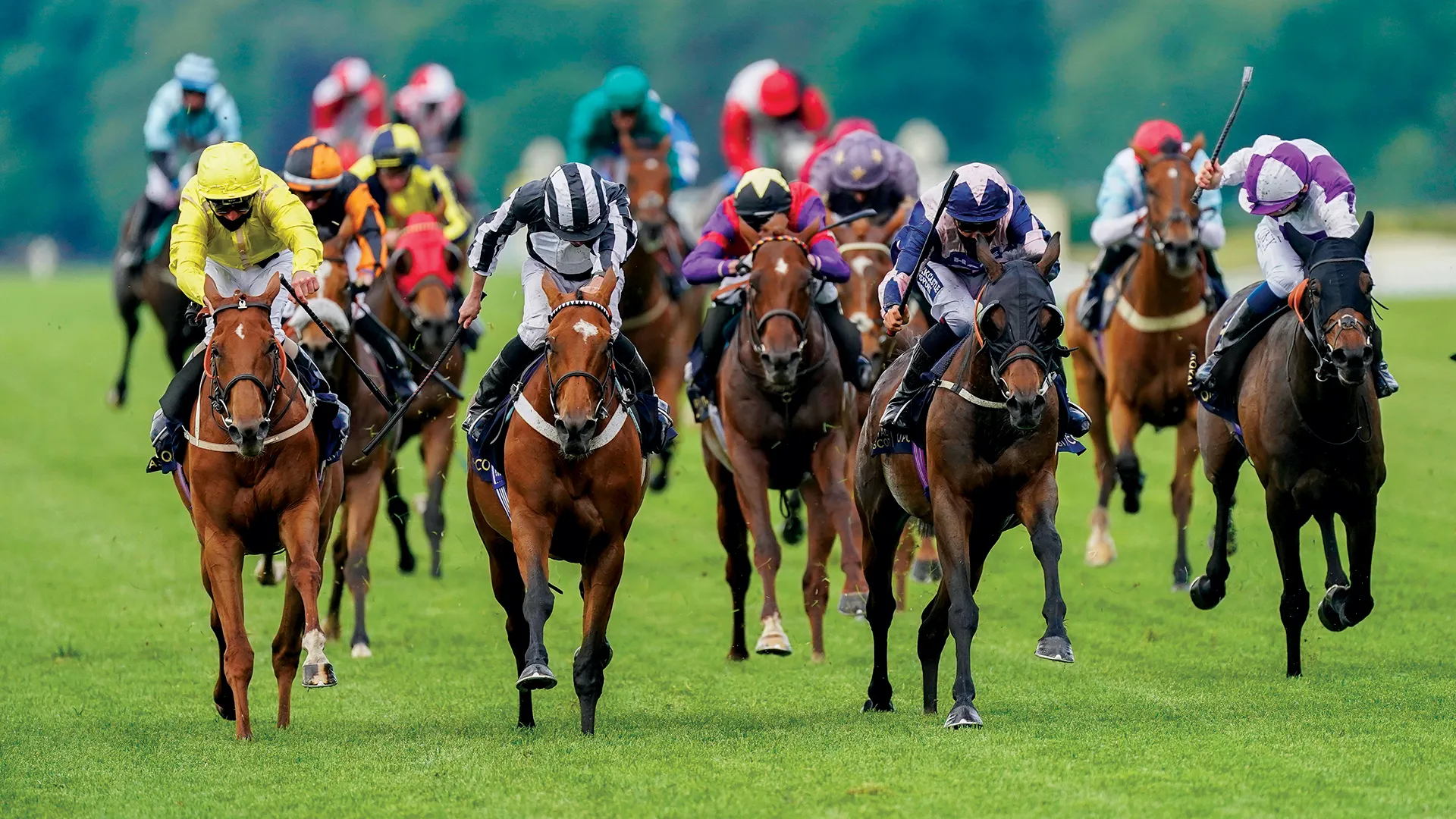

BoyleSports Irish Grand National preview and tips
This expansion complements our existing race preview by adding bigger-picture analysis, betting context and race trends to help readers weigh the key chances at Fairyhouse. Content is editorial and informational, aimed at helping informed decisions for readers aged 18+ who choose to bet responsibly.
Key race trends, form pointers and going notes
Historical trends in the Irish Grand National point to stamina, jumping reliability and a liking for testing ground as primary factors in success. Paying attention to recent Cheltenham and Leopardstown runs plus each horse’s record at Fairyhouse will highlight who handles the unique National course.
Trainer and jockey form to monitor at Fairyhouse
Trainers with a strong National record, notably Dermot McLoughlin and Gordon Elliott, deserve closer scrutiny because they target these races and place horses to peak for big handicaps. Look at the jockey bookings and recent partnership form, as established combinations often perform best under National conditions.
How going and ground affect National outcomes
The Irish Grand National route often rewards horses who have previously handled yielding or soft turf, so a horse’s run on similar ground provides a useful indicator. Consider that rain in the days before the race can dramatically change the contest profile and favour stayers with proven stamina.
What recent Irish Nationals tell us about trends
Recent renewals have produced surprise winners at long odds, so value is typically found beyond the top three in the market but should be backed by form, course or trainer clues. The race has a history of big-priced success, which underlines the importance of a disciplined, evidence-led approach rather than speculative punts.
Weight, age and stamina factors to consider
Older horses carrying higher weights can still win if they have course experience and stamina to burn, while younger staying chasers may improve for the contest distance. Pay attention to weight carried relative to last runs and how each horse has performed over extended trips.
How to assess each contender’s National credentials
When appraising runners such as Lord Lariat, The Echo Bay, Angels Dawn, The Goffer and Defi Bleu, weigh recent form, course history and the suitability of the ground on the day. A past Fairyhouse win or a strong showing in long-distance handicaps typically elevates a horse’s profile for the National.
Using Cheltenham and Leopardstown form lines
Cheltenham and Leopardstown performances give context to a horse’s current level and fitness; a solid, not-exhaustive run can be more telling than a career-best effort in heavy ground. Transfers from a festival run to Fairyhouse should account for recovery time and whether the race distance here suits the horse’s attributes.
Betting strategy and value hunting for the Irish
Adopt a staking plan that protects your bankroll and focuses on value odds rather than chasing winners; flat stakes or proportional stakes keep betting sustainable. Spread liability across a shortlist of evidence-backed horses and consider small each-way stakes where the market justifies place terms.
Comparing bookmaker odds and offers responsibly
Use bookmaker comparison tools to find the best available odds and subjectively assess where value exists, but avoid being influenced by short-term promotions or urgency messaging. You can explore offers responsibly and choose firms with clear terms, remembering that offers should not drive betting decisions.
Course-specific factors and how they influence tactics
Fairyhouse’s undulating track and National fences require a horse that can handle rhythm disruptions and stay strongly late on, so front-runners that lack stamina are often vulnerable. Jockey tactics matter: conserving energy early and choosing the right lines at the fences are decisive on testing ground.
Why previous Fairyhouse runs matter for assessment
A horse that has run well at Fairyhouse demonstrates an ability to cope with the course’s unique features, making its prior finishing positions valuable data points. Horses who have improved across multiple visits often show they’ve learnt the circuit, which can be crucial in big-field Nationals.
How to interpret form that looks inconsistent
Inconsistency in form can stem from unsuitable ground, changing distances or tactical trips rather than ability alone, so dig into race conditions rather than headline finishing positions. A horse with an otherwise solid record but a recent poor run on fast ground, for example, might bounce back on more typical National going.
Key horses to keep an eye on before the off
Monitor market moves and check late declarations for changes in ground or jockeys, as these can materially affect a horse’s chance. Horses mentioned earlier in our page content have varied profiles, and fresh, race-specific analysis in the final days will often reveal the most credible bets.
How trainers prepare for large-handicap Nationals
Trainers often target specific trials and progressively step horses up in trip before a National, and those sequences reveal intent and likely race-readiness. Note any schooling over National-style fences in the pre-race period, which can indicate a team’s confidence in a horse’s jumping and stamina.
Responsible gambling and betting safely at the races
Betting should only be for those aged 18 and over and done for entertainment with money you can afford to lose rather than as a way to make income. If you choose to bet, set limits, stick to a staking plan and seek help if gambling stops being fun or becomes a problem.
If you need assistance or tools to manage betting, consider using bookmaker account controls for deposit limits, time-outs or self-exclusion and consult UK support services if necessary. Remember that no bet is guaranteed and long-term loss is a real possibility in gambling.
You can explore current bookmaker offers and compare free bets responsibly through our dedicated comparison pages listed here. For readers also interested in casino bonuses, our partnered casino offers and bonus information are available on this page: Casino bonus offers.
FAQ: Which factors most affect Irish Grand National outcomes?
Stamina, jumping reliability and suitability to the going are the three most influential factors in this race. Course experience and trainer targeting also play important roles.
FAQ: How should I use market odds for big handicaps?
Use odds to gauge market sentiment but back only when there is supporting form or course evidence indicating value. Avoid staking heavily on longshot markets without clear rationale.
FAQ: Are past Fairyhouse winners more likely to repeat?
Past winners have shown they can handle the course but repeat wins are rare and should be judged alongside current form, weight and fitness. Historical course success is helpful but not decisive alone.
FAQ: How important are Cheltenham runs before the National?
Cheltenham runs can indicate fitness and class but may also leave a horse needing recovery time; shorter, controlled efforts are often the best form cues. Consider the nature of the Cheltenham race when interpreting the performance.
FAQ: What are safe staking approaches for the race?
Flat or proportional staking keeps exposure predictable and helps preserve your bankroll in open, large-field contests. Never stake more than you can afford to lose and avoid chasing losses.
FAQ: Where can I find the best bookmaker offers for new customers?
Our free bets comparison page collects current bookmaker offers in one place to help you compare terms and value, and it is geared for readers aged 18+ who bet responsibly. Use the page to make an informed, careful choice rather than reacting to urgency.
FAQ: Who should I contact if gambling becomes a problem?
If gambling is causing harm, contact UK organisations such as GamCare or use a bookmaker’s help tools for self-exclusion and account limits. Seeking help early is important and there are confidential support resources available.