

York Ebor Week: Detailed Ante-Post & Race Guide
The Ebor meeting at York offers a rich programme of high-quality Flat racing and multiple betting angles for informed punters to consider. This expanded guide complements our race previews by setting out how to assess form, spot value and approach stakes responsibly ahead of the Knavesmire fixtures.
How to assess form and value in big handicaps
Identifying value in big handicaps means combining recent race performance, weight carried, trip suitability and proven course form rather than relying on headline ratings alone. A methodical approach helps separate genuine improvers from out-of-form horses and highlights those likely to benefit from small tactical changes.
Trainer and jockey form to watch at York meeting
Trainer patterns and jockey bookings often reveal intent and confidence levels ahead of big meetings, especially when yard statistics show positive runs with similar types of horse. Take note of trainers who target the Ebor week regularly and jockeys who consistently perform at York, as these relationships shift race-day probabilities.
Form indicators: speed figures and recent race patterns
Speed figures, sectional times and the way a horse finishes a race provide useful context for form lines and can indicate whether a step up in grade or a drop in trip is likely to suit. Look for horses finishing strongly over similar trips and surfaces, as those late-closing patterns often translate well into competitive handicaps.
Assessing ground, trip and draw for each race day
Ground conditions at York can fluctuate through the week, so factor in a horse’s proven ability on soft, good or firm going when weighing up selections and ante-post options. Trip suitability and the draw or gate position matter most over sprint and straight-course contests, so adjust expectations depending on the race layout.
Trap and draw analysis for straight course races
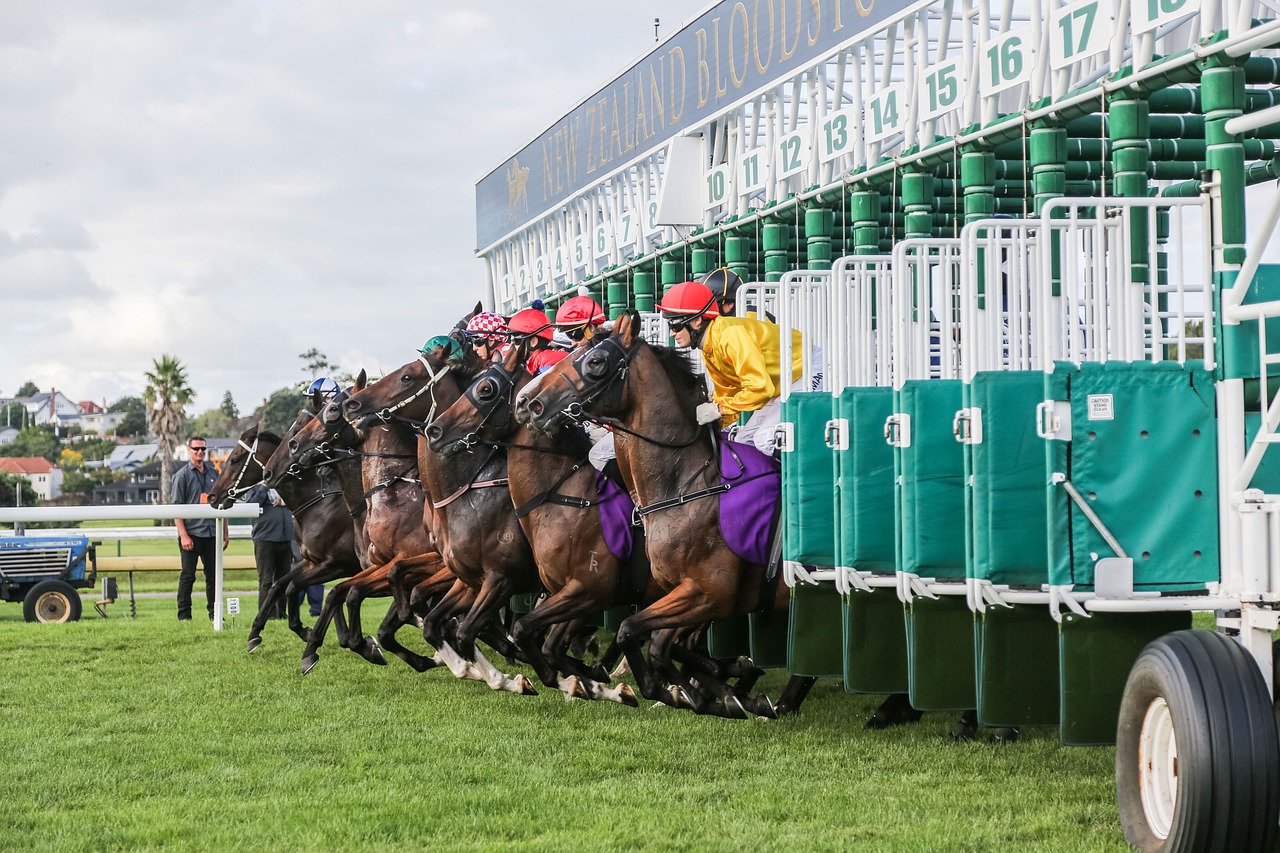
On York’s straight, stalls and early positioning can influence the outcome, particularly in sprints where a split can form and change the pace of a race dramatically. Study recent race maps and draw bias reports for the Knavesmire to determine which stalls have had an advantage under similar ground conditions.
How to size up ante-post odds and value bets
Ante-post markets present opportunities and risks because prices can drift or shorten well before declarations; the key is to back horses with clear improvement signs or robust staying form relative to the likely pace. Avoid committing large stakes ante-post, and only take longer-term prices when the value is clear compared with expected day-of-race markets.
Market moves, shop-around odds and best-bookmaker checks
Comparing odds across multiple bookmakers for ante-post and day markets is essential to secure best prices, and small percentage differences compound over multiple wagers. Use available comparison tools to check for early price movements and to decide when a quoted price represents genuine value rather than speculation.
Selecting each-way specials and small-stake strategies
Each-way bets can be the most effective way to get exposure to larger fields without overcommitting, particularly in valuable handicaps where place terms can be generous. Stick to a staking plan with unit sizes based on confidence levels and avoid chasing inflated stakes after losses.
Bankroll tactics and responsible staking plans for fans
Effective bankroll management involves setting a weekly or event budget and risking only a small percentage of that total on any single selection to preserve capital and minimise emotional decision-making. Remember that betting should be entertainment for those aged 18 or over; if gambling stops being fun, seek help and consider using deposit limits and self-exclusion tools.
Race-by-race angles for the City Of York Stakes
The Group 2 City Of York Stakes normally attracts proven milers and versatile seven-furlong performers, so evaluate who runs best when dropped slightly in trip or stepped up from pattern races. Pay attention to trainers who send specialist sprinters to seven furlongs and horses that travel strongly into their races.
Spotting horses improving with age and consistency
Some horses show marked progression from four to five years old as they strengthen physically and adapt to racecraft; tracing consistent upward trends can expose under-rated entries in pattern contests. Prioritise horses with incremental improvement over subsequent starts rather than those with one standout run followed by decline.
Key trends from past Ebor meetings to consider
Historical trends such as the impact of quick turnarounds, how draw bias evolves late in the week and which trainer-jockey combinations target the Knavesmire are useful when weighting chances. Trends should inform but not dictate selections, and they work best when combined with current-year form data and tempo projections.
How to read jockey bookings and trainer patterns
Jockey choices can reveal an owner or trainer’s preferred route for a horse and suggest which rides are considered the most likely winners by connections. When leading jockeys pick up rides late in the week it can indicate strong confidence, but always cross-check with form and ground suitability before adjusting stakes.
Why freshened horses and drops in trip matter
Freshening a horse and stepping it down in trip often yields improved performances when it suits the animal’s running style and speed map; trainers use these tactics deliberately ahead of feature meetings. Look for horses that have been gelded, given a break, or shown better finishing speed when cut back in distance as potential improvers.
Assessing soft ground specialists versus fast-ground types
Some entries will perform markedly better on soft ground while others need fast, firm conditions to show their best; identifying these preferences is critical when rain is forecast leading into Ebor week. If ground is changing rapidly, favour horses with proven adaptability over ones with single-condition profiles.
Considering handicap weights and rating progression
Weight carried in handicaps relative to recent victories and how a horse’s official rating has moved are pivotal to judging whether current marks are workable. A horse trending down the handicap, or one returning to a weight where it recently won, can offer value if other factors align.
Avoiding common ante-post staking mistakes and biases
Betting too early on headline names without accounting for potential absenteeism, withdrawals or unexpected entries is a frequent ante-post error that erodes expected value. Keep stakes modest ante-post, monitor homework on confirmations and be ready to take profits or cut losses when markets move against you.
Using course experience and record at York to judge
Course form at York can be a reliable indicator because the Knavesmire’s layout and undulations suit certain action types and running styles more than others. Prioritise horses with proven performance at York or at similar tracks over those with only AW or short-course experience unless the profile strongly suggests suitability.
Which support markets offer better long-term value
Support markets such as forecast, tricast, or specific head-to-head matchups can occasionally yield better long-term value than single-win bets if used selectively and with disciplined stakes. Consider these markets for broader exposure to a race outcome without relying entirely on a single selection, while keeping exposure within a set staking plan.
In-running markets and how they affect weekend bets
In-running betting provides flexibility to react to how races unfold, especially if pace collapses or a key rival underperforms early; it is useful for experienced traders and patient bettors. Always remember in-running odds are volatile and require quick, unemotional decisions supported by a prior staking plan.
Preparing for the week: race day logistics and planning
Plan your race viewing and bookmaker checks in advance, noting approximate race times, expected ground, and likely market movers so you can act calmly and deliberately on the day. Allow time to compare prices, set betting limits and avoid impulse wagers driven by emotion or crowd influence.
When to rely on stats and when to trust form reading
Statistics provide a valuable backbone for selection but should be balanced with qualitative form reading such as visual impressions, wind operation and recovery between starts. Use stats as a filter to narrow options then apply your race-reading judgement to finalise stakes and market choices.
All content on this page is for readers aged 18 and over and is intended for information and entertainment only; it is not a recommendation to bet. If gambling stops being fun please seek help and consider using responsible gambling tools available from licensed operators.
You can explore current bookmaker offers and compare prices responsibly through our bookmaker comparison tools here: BestOfBets free bets and sign-up offers. For those interested in casino promotions, see our affiliated offers here: BestOfBets casino bonus page.
Frequently asked questions about York Ebor betting
Q: What should I prioritise when assessing Ebor meeting horses? A: Prioritise current form, suitability to trip and ground, plus trainer-jockey indicators, and manage stakes responsibly; betting is for those aged 18 and over.
Q: Is ante-post betting a good strategy for the City Of York Stakes? A: Ante-post can offer value but brings extra risk from non-runners and market movement, so stake smaller amounts and monitor confirmations closely.
Q: How important is York course experience? A: Proven course form is useful because York’s layout suits certain horses, but excellent recent form on comparable tracks can also be relevant.
Q: Should I use each-way bets in large handicaps? A: Each-way bets are a sensible approach in big fields to spread risk, but they should be combined with disciplined staking and realistic expectations.
Q: Where can I compare odds for the Ebor meeting? A: Use bookmaker comparison tools to shop around for the best odds and take advantage of differences across firms without chasing losses.
Q: How do I keep betting responsible during the festival? A: Set a clear budget, use deposit and stake limits, never chase losses and seek support if gambling causes harm; only bet if you are 18 or older.