

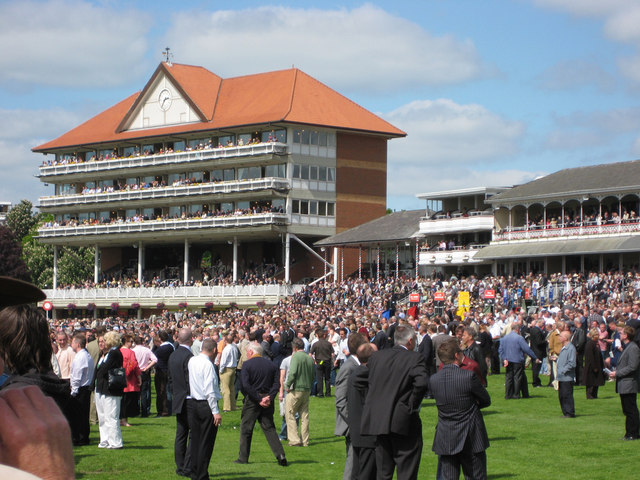
York Ebor Festival Day One: Tips, Form and Market Insight
The Ebor Festival returns to York and Day One offers high-quality Group races alongside competitive handicaps, presenting a full card for racing fans and keen bettors looking to assess form and value. This guide expands on race-by-race context, tactical angles and betting approaches to complement the selections already published on the page; it is intended to inform rather than to encourage wagering.
Readers must be 18+ to participate in any betting activity and should treat this content as editorial guidance rather than financial advice, keeping stakes sensible and within personal limits. If you choose to bet, do so responsibly and consider bookmaker comparisons to find the most appropriate terms for you.
Day One Preview: Key Races, Conditions and Angles
Day One centres on the Juddmonte International, supported by the Great Voltiguer and the Acomb, with several handicaps where local trainers and track familiarity often make a difference. Track surface, prevailing ground and early pace scenarios will shape outcomes and influence where value can appear in each market.
York’s fast, galloping straights suit front-runners on firm ground but also reward well-timed finishing efforts, so form lines should be read with a view to race pace and trip suitability rather than headline form alone. Handicaps typically attract northern stables who aim specifically at these prizes, which is an important booking angle for punters studying the card.
Why Paddington Is Fancied For The Juddmonte
Paddington’s profile reads like a top-class miler who is progressive and well campaigned, with strong juvenile form and a clear tactical schooling that often leaves rivals scrambling to adapt. His riding pattern and ability to dictate or be positioned prominently can be decisive at York, where pace and firm going combine to reward horses who can maintain a high cruising speed.
That said, the winner’s circle is rarely handed out without challenge, and ground inexperience or a missed tactical switch can cost even the most admired horses; assessing how Paddington handles York’s unique undulations and the likely pace map will be crucial in evaluating the price. Market reaction on race morning and jockey instructions often reveal whether a front-running plan or a stalking tactic is intended, which should feed into any staking decision.
Assessing Rivals: Nashwa, Mostahdaf and The Foxes
Each major rival brings a different profile: Nashwa is proven on preferred ground, Mostahdaf has shown form when stepped down in trip, and The Foxes carries international experience that could be decisive back on British tracks. Comparing their seasonal progress, how they travel into the race and recovery after recent runs helps identify who is peaking for this contest.
Handicappers and form analysts should look beyond class labels and focus on race shape variables — for example, whether rivals prefer to close from off the pace or to contest the lead — because that interacts strongly with York’s long straight. A reverse forecast approach between a likely leader and a strong closer can sometimes offer value where single bets do not.
York Track Traits: How The Knavesmire Influences Races
The Knavesmire is a fair, galloping course with a long straight which often rewards sustained speed and a good cruising tempo; once a well-run lead is established it can be hard to reel in on fast ground. This favours horses who are adaptable to firm surfaces and who can maintain momentum, which should be considered when weighing up proven form on different ground types.
Course position and draw matter in sprints and in some straight-track handicaps, while turning races can require a different blend of tactical speed and staying power, so adjusting selection criteria by race type is advisable. Trainers who have consistent success at York often have entries that are specifically pattern-trained, and their historical performance at the course merits attention.
Handicap Strategy: Northern Trainers and Pace Considerations
Northern trainers traditionally target York handicaps, seeing them as seasonal objectives for horses they know will handle the track and demographic of competition, which often translates to strong showings from those yards. When analysing handicaps, factor in trainer targeting, recent form on similar ground and whether the horse has been freshened for a specific York strike.
Pace is a decisive factor in handicaps; horses ridden to lead on fast ground can be difficult to catch, while deep fields with no genuine pace can favour hold-up runners with a strong late turn of foot. Identifying early leaders and checking sectional times from previous runs gives an edge when selecting which types of runners to back or oppose.
Staking And Bankroll Plans For Festival Betting
A structured staking plan helps manage risk across a festival day where multiple races tempt involvement, and flat percentage staking based on a notional bank keeps exposure proportional and predictable. Avoid overconcentration on single races and consider spreading stakes across outcome types — win, each-way or small multiples — only where value is clear and terms are favourable.
Record-keeping after each race helps refine future selections and demonstrates whether certain angles — such as backing northern-trained handicappers or favouring front-runners at York — are profitable over time. Always refrain from chasing losses and never stake money allocated for essential expenses.
How To Approach Betting Markets Without Pressure
Treat the market as a tool for price discovery rather than a mandate to bet, using fluctuations to identify where value might exist compared with your opinion and research. Smaller, considered wagers informed by pace maps, trainer form and ground preferences tend to be a more sustainable approach than large speculative punts.
When offers or promotions appear, read the terms and consider whether enhanced odds or free bet credit genuinely improve expected value rather than pushing stakes up. It is sensible to shop around with comparison tools to confirm that the price and conditions on offer match your intended bet size and strategy.
Responsible Gambling Advice And Age Restriction Notice
Gambling is for adults aged 18 and over in Great Britain, and anyone who chooses to bet should set limits and stick to them to maintain control and enjoyment. If gambling stops being fun or begins to damage relationships, finances or wellbeing, please seek help through recognised support services and use account tools to set limits or self-exclude.
Our editorial content aims to inform and should never be read as an encouragement to gamble beyond one’s means or as a guaranteed route to profit. For help and advice, organisations such as GamCare and GambleAware provide confidential support and resources for safer gambling practices.
How To Use Bookmaker Comparisons And Offers Safely
Bookmaker comparison tools can highlight the best prices and sign-up offers but always verify eligibility and wagering requirements before participating, as promotional terms differ widely between operators. Use comparisons to ensure you get fair value while keeping bets modest and aligned to your staking plan.
Affiliate links that appear in editorial pieces are for convenience and transparency; they are not a recommendation to stake more than you can afford and should be used only after reading the offer terms. If you elect to use an offer, check expiry dates and any matched bet conditions so there are no surprises when settling wagers.
Mid-Card Opportunities: Target Races And Value Picks
Beyond the feature races, York’s mid-card handicaps and pattern events often contain overlooked chances where form is less obvious and market inefficiencies can be exploited. Look for horses returning from short breaks with a wind or shoeing change, as these small adjustments sometimes produce marked improvement at a suitable price.
Small each-way stakes can be justified where fields are competitive and a solid place terms can offer fair value relative to the win market, but avoid overexposing yourself to long-shot lists where the strike-rate is typically low. Balance is key: a mix of selective singles and conservative each-way bets usually gives the best chance of a sensible outcome over the meeting.
Final Race-Day Checklist For Informed Betting
Before placing any bet check the going description, jockey changes, non-runners and any late market moves that might indicate undisclosed information or a change in tactics. Review recent sectional times, trainer comments and connections’ stated intentions where available to ensure selections are race-ready and compatible with the expected conditions.
Review your staking plan and confirm you are betting within limits set at the start of the day, remembering that the goal is to enjoy the sport and make choices based on evidence rather than emotion. If you are unsure about a selection, stepping back is often the most prudent option.
Frequently Asked Questions On Day One Selections
Q: Are the selections suitable for small stakes punters?
A: Yes, the selections are intended for readers to consider at modest stakes within a disciplined staking plan and are not encouragement to place large or impulsive bets.
Q: Is there a recommended staking amount for each bet on the card?
A: No single staking amount suits everyone; sensible guidance is to use a fixed percentage of a pre-determined betting bank and to keep stakes consistent to manage risk.
Q: How important is the going when assessing York races?
A: Going is very important at York because the Knavesmire rewards horses who handle firm ground and sustained pace, so compare a horse’s form on similar surfaces before backing.
Q: Should I favour trainers with local York form in handicaps?
A: Yes, northern trainers often target York handicaps and their entries should be respected, but evaluate the individual horse’s form and weight to make an informed choice.
Q: Are accumulator bets advisable for festival day cards?
A: Accumulators increase variance and risk; they can be used sparingly for entertainment but should not replace a structured staking plan or bankroll management.
Q: What responsible gambling steps should I take before betting?
A: Set deposit and stake limits, schedule timeouts if needed, avoid chasing losses and seek support from designated services if gambling causes concern; remember all activity is for those aged 18+ only.
Q: How can I spot value in the yards that target York?
A: Look for trainers who consistently place or win at York, horses stepping up from similar track conditions, and market movements that indicate informed backing; combine these with form analysis for a value judgement.
Q: Will following market leaders guarantee a better return?
A: No, following favourites does not guarantee profit; markets reflect collective opinion and informed selection with a staking plan provides a more sustainable approach than simply backing market leaders.
You can explore current bookmaker offers and compare free bet options responsibly via our bookmaker comparison page at https://www.bestofbets.com/free-bets. For those interested in casino bonuses from affiliated sites, our casino bonus page lists current offers and terms at https://www.bestofbets.com/casino-bonus.