

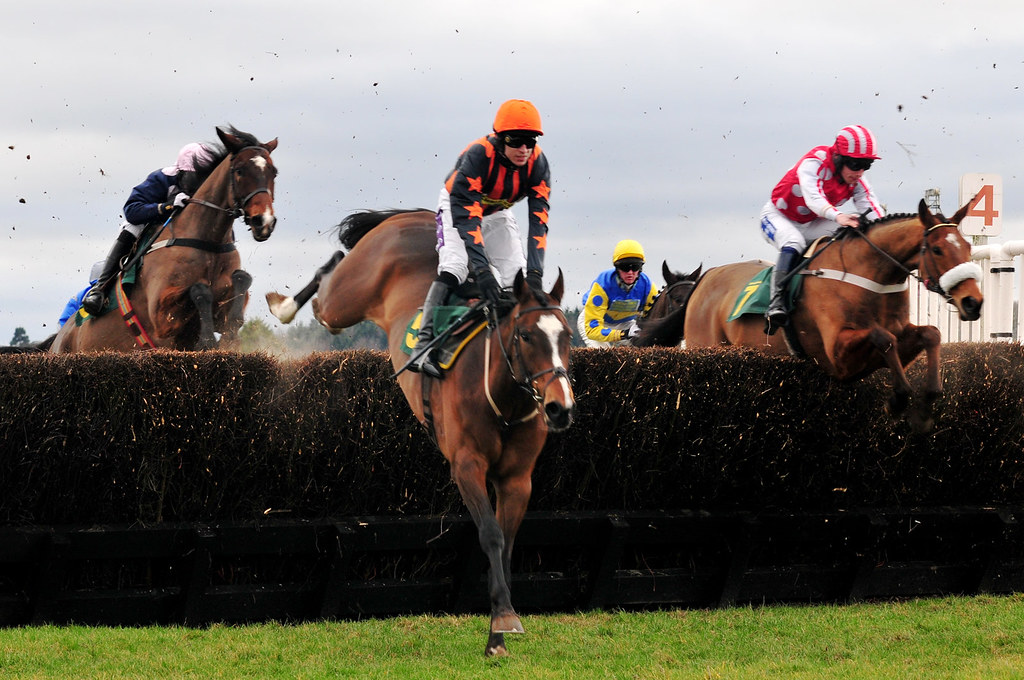
Tingle Creek Weekend: Sandown and Aintree Betting Guide
Weekend snapshot: races, cards and key storylines
This weekend’s cards at Sandown and Aintree offer a mix of high-class handicaps and graded events suitable for selective betting and analysis. With Tingle Creek Day and a strong Aintree card there are multiple markets to consider across fences and hurdles.
Below we complement the race previews above with strategy, market selection, trainer notes and practical checks to help you evaluate value opportunities without promising outcomes. Betting is for adults 18+ only and should always be undertaken responsibly.
How to assess form for today’s jumps races
Start by reading the most recent run lines and note where horses finished relative to the pace and obstacles, as jumping errors, racing position and finishing effort are crucial over fences. Check which runs were on similar ground and distance, then give more weight to recent performances and race conditions that match the target contest.
Pay attention to horses returning from a wind‑op, a break or a change of headgear, since these factors can significantly alter form lines. Avoid overreacting to one poor run when it is explained by a fresh injury, heavy ground or a notable interference.
Picking markets: win, each-way and forecast options
Win and each-way remain the simplest choices for most readers, especially in handicaps where top weights and close ratings create volatile finishes. Forecasts and tricasts add complexity and cost but can offer value when two or three horses clearly stand above the rest in form and running style.
Consider the field size and the going when choosing market type; small fields favour win-only bets while large, competitive handicaps often suit each-way coverage to spread risk. Remember that each-way terms and forecast pay-outs vary between bookmakers so use comparisons before placing stakes.
When to use each-way versus win-only bets
Use each-way when there is no clear favourite and the book offers favourable terms across multiple places, especially in large handicaps or staying races. Opt for win-only if you have a short-priced selection with clear form and little likelihood of being outrun or interfered with.
Staking plan: small, flat stakes and value hunting
A sensible staking plan preserves bankroll and helps identify value over time; consider a flat-staking unit equal to a small percentage of your bankroll to avoid chasing losses. Focus on finding relative value rather than increasing stakes for short-term recovery or pressure-driven decisions.
Record all bets and review results to refine your approach, looking for markets where you consistently find better returns than average. Avoid staking escalation based on emotion and never bet more than you can afford to lose.
Understanding forecast and tricast bet mechanics
Forecasts require you to predict the first two finishers in exact order or any order for an accurate forecast, while tricasts extend that to the first three in exact order. These bets can return good value if you are confident about the top finishers, but they carry higher risk and cost greater multiples of your stake.
Trainer and jockey trends to watch this weekend
Look for trainers who target Sandown and Aintree regularly, and jockey bookings that indicate a confidence in a horse’s chance; course specialists often have an edge in tight handicaps and tricky fences. Note any trainer patterns such as targeting early-season handicaps or stepping up to graded company, as these inform expectations.
Short-term stable form matters; a yard in form is likelier to have multiple improvers and can influence market moves on the day. Consider small-sample trends cautiously and combine them with course-record and horse form for a rounded view.
Small trainer samples versus long-term trends
Short-term trends can highlight a hot stable but may regress quickly, so balance them with long-term records at the course and trainer strike rates. Use long-term trends to establish context, then overlay recent form to identify genuine improvements or anomalies.
Ground, going and weather checks before placing bets
Ground will be decisive this weekend given the recent variable weather; always check the official going and forecast during declarations and racecard updates. Some horses handle heavy going, others prefer quicker ground, so aligning horse preferences with the expected surface is essential to placing an informed bet.
Factor in trainer and jockey choices when ground changes are expected, as last-minute withdrawals and non-runners can significantly change race dynamics and value. Bookmakers adjust odds quickly for going changes, so make comparisons early if your selection’s chance improves on revised ground.
Using bookmaker comparisons and offers responsibly
Comparing bookmaker odds and free-bet offers helps find value without increasing stakes, but offers should be considered as tools rather than incentives to bet more. Always read terms and conditions, check minimum odds and wagering requirements, and be mindful of time limits attached to promotions.
You can explore current bookmaker offers through our comparison tools if you choose to bet responsibly, and remember that offers are for adults 18+ only. If you have concerns about betting behaviour, seek help from support services and use site tools such as deposit limits and self-exclusion.
How to factor in race tempo and rider tactics
Analyse likely pace scenarios; front-running horses can dominate on certain courses while closers benefit from strong early fractions. Consider whether a selection is likely to get a soft lead, be held up, or be forced wide, as these tactical elements often decide close handicaps.
Jockey experience and local knowledge matter in tight finishes; a confident pilot who times a late run well can find a few extra lengths, while an inexperienced rider may mistime a challenge. Use racing replays and jockey profiles to assess tactical competence.
Bet types to consider for Sandown and Aintree cards
Aside from straight win and each-way bets, consider place-only betting in deep handicaps or small-stake multiples where you can combine selections across different races. Small singles on safer-looking options and conservative multiples where confidence is moderate can spread exposure while retaining upside.
Use in-play markets sparingly and only if you can monitor races live, as jumping events are fast-paced and prices can change rapidly. Remember that in-play betting can increase impulse activity; set firm limits and stick to your staking plan.
Responsible gambling reminders and support information
Gambling is available to those aged 18 and over and should only be undertaken as entertainment, not a way to make money or solve financial problems. If you feel betting is becoming a problem, contact organisations such as GamCare or use bookmaker self-exclusion and deposit-limiting tools.
Never chase losses or stake beyond what you can afford, and consider maintaining a betting budget and cooling-off periods between sessions. Our content is informational and not a recommendation to place bets; always act within your personal and financial limits.
You can compare current bookmaker free-bet offers on our free bets page to find terms that suit your approach: BestOfBets free bets. For those interested in casino sign-up bonuses, see our casino offers page for details and terms: BestOfBets casino bonus.
FAQ 1: How should I interpret recent form for jumps races
Prioritise recent runs over similar ground and distance, and factor in late-season improvements or wind procedures before placing a bet. Consider any excuses listed in the form such as falls or heavy ground when weighing the evidence.
FAQ 2: What markets suit tight handicaps at Sandown and Aintree
Each-way bets often make sense in big handicaps where several horses have realistic chances, while win-only bets suit more selective picks with clear superiority. Forecasts may be worthwhile if two horses have clearly superior form and running styles.
FAQ 3: How much should I stake on weekend tips
Use flat-staking or a small percentage of your bankroll per selection to manage risk and avoid emotional staking increases. Keep stakes modest and consistent to build a long-term record and identify successful strategies.
FAQ 4: Are trainer and jockey trends reliable indicators
They are useful context but should be combined with horse form, course record and race conditions for a fuller picture. Short-term hot streaks can reverse, so balance recent trends with longer-term statistics.
FAQ 5: How do I check the going and weather before betting
Consult official going reports released on racecards, follow real-time weather forecasts and monitor late scratchings that may indicate heavier or quicker surfaces than expected. Bookmakers update prices when the going changes, so check odds and terms before confirming a bet.
FAQ 6: Can I use bookmaker free bets to try strategies
Yes, free bets can be a low-cost way to explore markets and strategies, but always read the terms and minimum odds before using the offer. Remember free bets have conditions and are for adults 18+ only, and should not encourage reckless staking.
FAQ 7: What support is available if I worry about my gambling
If you are concerned about your gambling, contact organisations such as GamCare, use bookmaker self-exclusion tools, or seek professional help through local services. Set deposit and time limits and consider taking breaks from betting if behaviour feels risky.
FAQ 8: How often should I review my betting record and strategy
Regular reviews after a block of races or monthly are helpful to spot strengths, weaknesses and value markets in your approach. Keep concise records of stakes, returns and the rationale for bets to enable objective assessment and improvement.