

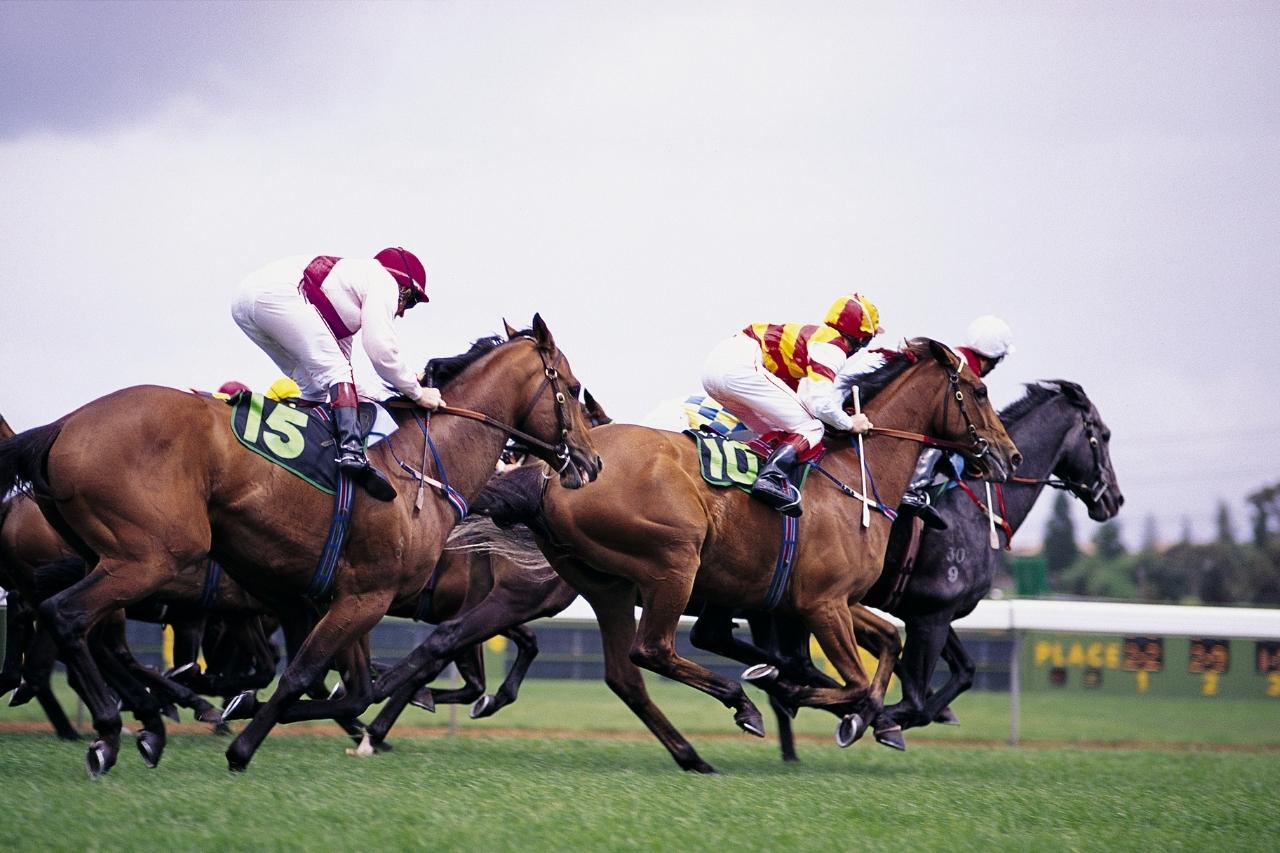

Haydock Grand National Trial: Three Horses to Watch
This expanded guide complements the existing race preview and gives deeper form insight ahead of the Grand National Trial at Haydock Park.
It is written to help informed readers assess Bristol De Mai, Grumpy Charley and Snow Leopardess while keeping responsible gambling front of mind.
How this Haydock race shapes Grand National entries
The Grand National Trial is a key late-season handicap that often highlights horses with chances of stepping up to Aintree or sharpening for spring targets.
Connections frequently use Haydock to test stamina, jumping under pressure and to see if horses merit entries for the Randox Grand National or other spring festivals.
Bristol De Mai: form, strengths and chances
Bristol De Mai’s record at Haydock is among the best in modern staying chases, which is an important consideration when evaluating Saturday’s renewal.
His experience, tactical speed and course familiarity give him a profile suited to this race, even if recent outings are limited this season.
How ground and weather historically affect outcomes
Haydock’s winter and early-spring ground can swing between soft and heavy, materially affecting stayers and horses that prefer quicker conditions.
Check the going and recent weather patterns before betting, as stamina-based performers often gain on softer ground while front-runners can be compromised.
Trainer and jockey angles to consider for betting
Nigel Twiston-Davies has a strong record with big-field staying chases and tends to place his horses where they can use tactical speed and experience to advantage.
Jockey bookings, any recent changes in race tactics and the intended ride should influence where you see value in the market rather than relying solely on name recognition.
Grumpy Charley: betting outlook and race fitness
Grumpy Charley offers a contrast to the veterans in the race, with value often appearing in the prices when form is inconsistent but the trip suits.
His yard’s handling of distance progression and the jockey switch to Bryan Carver are key factors that could swing his chances this weekend.
Key recent runs and distance adaptability review
When assessing Grumpy Charley, consider how he has handled step-ups in trip and whether his finishing efforts suggest improvement over 3m4½f.
Performance indicators such as finish positions, closing sections and racing tactics from the last three starts give a clearer picture than one-off results.
How to interpret starting prices and value claims
Odds reflect market perception but also bookmaker liability; compare opening prices to current SPs and watch for movement that suggests informed money.
Value is subjective and should be judged against form, course suitability and alternative market options on the race card rather than headline prices alone.
Snow Leopardess: form, targets and Aintree hopes
Snow Leopardess has proven Aintree form and the kind of chasing record that makes her of interest when connections plot a route back to the National fences.
Her record over the Becher and other Liverpool races gives context to what a solid Haydock performance could mean for spring assignments.
Previous Aintree form and handicap implications
Past Aintree runs, particularly in big staying chases or the Becher, demonstrate how well a horse handles unique fences and the testing run-in at Liverpool.
Handicap marks won’t tell the full story; consider whether recent campaigns suggest a rising or falling hand when mapping out potential National bids.
Why this Haydock run can set up spring targets
A strong Haydock run can validate a plan to target Cheltenham, Aintree or other spring staying contests, and can prompt connections to commit to major entries.
Conversely, a poor run may lead to a revised autumn or summer campaign, so pay attention to in-running comments and trainer feedback after the race.
Race trends, weights and Haydock course influence
Historically the Grand National Trial at Haydock favours horses that can jump consistently, handle a true stamina test and race prominently if possible.
Weight carried in big-field chases is always significant; look for past performance under similar burdens and over similar distances when assessing chances.
Pace, fences and how the race typically unfolds
The race often features a steady early tempo with an increasingly testing middle sector, so horses that conserve energy and jump well late stand out.
Observe whether contenders have experience in large fields and how they cope with closing fences when form lines show stamina is being tested.
Using bookmaker comparison tools for smarter decisions
Comparing odds, terms and non-monetary benefits across bookmakers helps you find the fairest price and the most suitable promotions without being pressured into a bet.
Use comparison tools to check available markets, best-priced selections and to confirm that the product suits your betting plan rather than chasing offers blindly.
How to find competitive odds and compare promotions
Look at several reputable firms for best odds and review how they apply promotions to specialty markets like trials or novelty bets.
Remember that larger odds can sometimes come with less favourable rules or cut-off times, so check the small print before committing to a stake.
Responsible gambling advice and age requirement reminder
Gambling is for those aged 18 and over only; if you choose to bet, keep it affordable, time-limited and part of a recreational activity rather than a way to make money.
If you feel your gambling is getting out of control, seek help from organisations such as GamCare or use bookmaker tools like deposit limits and reality checks.
Practical steps to manage stakes and avoid harm
Set a strict budget you can afford to lose, avoid chasing losses and use self-exclusion or limit-setting features if you find control slipping.
Discussing concerns with a friend, family member or a support service is a practical step and is encouraged if gambling causes worry or financial strain.
Common questions about the Haydock Grand National Trial
Am I eligible to bet on the Grand National Trial?
Only those aged 18+ may place bets in the UK and should ensure they register with licensed operators that verify age and identity.
How should I assess each horse’s Haydock form before betting?
Look at recent runs, course form, distance experience and how the horse finished its races rather than just final positions.
What role do weights and handicaps play here at Haydock?
Handicap weight reflects a horse’s assessed ability and can be decisive in large fields where stamina and carrying weight over a long trip matter.
Where can I compare bookmaker odds and free bets safely?
Use licensed comparison services and BestOfBets’ comparison tools to view current odds and offers without promotional pressure.
How can I manage risk and gamble responsibly on races?
Limit stakes to an entertainment budget, set time and deposit controls, and never gamble with money needed for essentials.
Can Haydock trial results predict Grand National chances?
Strong Haydock performances are informative but not definitive; they can signal suitability for Aintree, although the National presents its own unique test.
Is age a major factor for runners in this handicap chase?
Age can influence stamina and experience; older horses may handle big fences and distance well, while younger runners can improve rapidly.
Should trainer statistics influence your Haydock selections?
Trainer form at Haydock and in similar staying chases provides useful context alongside individual horse form and race conditions.
Explore our updated list of recommended bookmakers and their free bet offers to compare odds and responsible sign-up terms for new customers.
For players interested in casino options, see our casino bonus page with current welcome offers and the terms for each site at BestOfBets casino bonuses.