

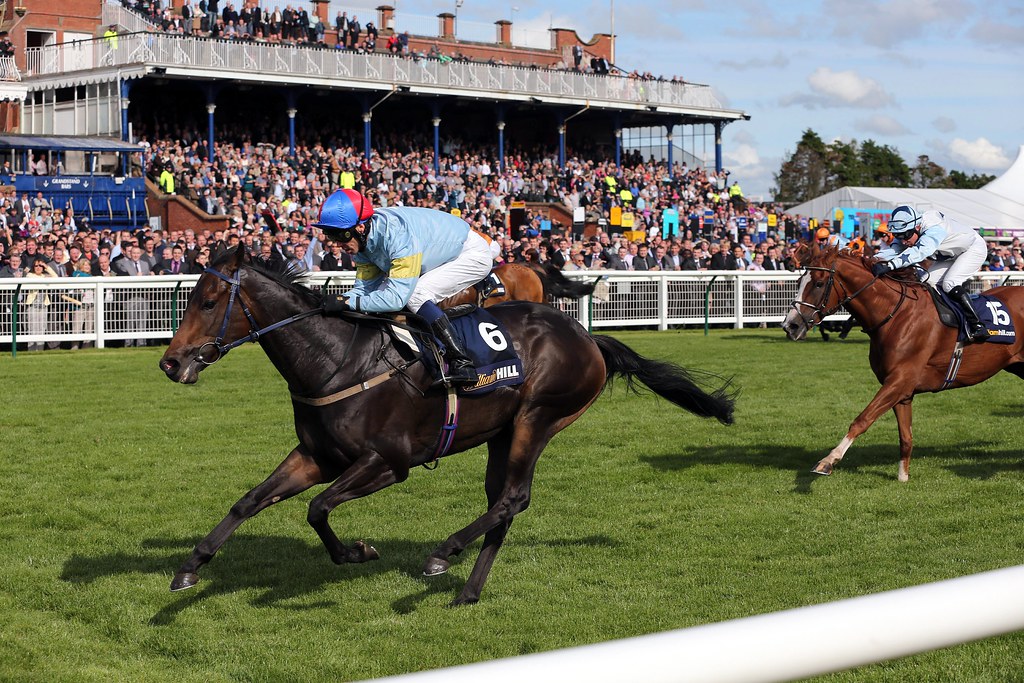

Shergar Cup Weekend Ante-Post Betting Guide and Insight
This expanded guide complements our recent race-day coverage by breaking down ante-post angles for the Shergar Cup weekend and associated cards at Goodwood and Haydock.
It offers practical form analysis, market considerations and sensible staking ideas while emphasising responsible play for readers aged 18 and over.
How to assess ante-post value for Goodwood and Haydock
Ante-post decisions should start with recent form, ground preference and any confirmed entries or withdrawals that shape the race dynamic.
Factor in weight allowances, rising or falling handicap marks and how a horse’s run style suits the expected pace and ground.
Why Midnight Mile looks appealing at 13/2 value
Midnight Mile has a clear pattern of progress from a six-furlong debut to competitive performances on turf, and the 13/2 reflects that upward curve without overstating her chance.
Her fourth in the Grade 1 Juvenile Fillies’ Turf and a solid seasonal return in the Musidora suggest she handles a step up in class, making ante-post value credible for the Rose Of Lancaster.
Interpreting weight-for-age and fillies’ allowances impact
Weight-for-age and fillies’ allowances materially affect relative chances when a filly like Midnight Mile meets older male rivals at Haydock.
When allowances are in play, compare how other entrants perform off similar concessions and whether the filly has shown ability to carry a competitive weight up the handicap scale.
Using recent running style and form to predict finishes
Examine whether a horse wins easily or requires a strong pace to produce a finishing burst, particularly on testing ground; Midnight Mile has shown tactical versatility across recent starts.
Assess how that style will cope with the likely pace map and whether the horse has previously finished strongly on similar going.
Form factors that support Fahey’s filly selection
Beyond placings, look for progressive sections of a formline — improving speed figures, shorter finishing splits and wins on varying ground all support an ante-post case.
Midnight Mile’s juvenile form at high level and subsequent Listed and Group placings point to consistent ability rather than a one-off performance.
Liberty Lane’s conditions and race suitability examined
Liberty Lane’s profile suggests he is well-placed if Haydock comes up soft to good-to-soft, having previously won easily on soft ground at Nottingham.
Karl Burke’s decision to re-enter him quickly after the abandoned Goodwood card indicates connections remain confident in his ability to handle a typical Haydock handicap pace.
Practical ante-post staking approaches for weekend cards
Consider staking a smaller percentage of your bank ante-post, reflecting the risk of non-runners, and scale stakes for place-only options where available and financially sensible.
Use consistent rules: maximum exposure per meeting, limit on single-horse liability and a clear plan for trading or cashing out if the market moves strongly.
Handicap marks, ground and tactical advantages for Haydock
Liberty Lane’s mark of 97 and preference for softer ground combine to make him a plausible contender in a competitive handicap where pace and draw can decide the outcome.
Analyse how other runners have performed off comparable marks and whether the likely pace set-up will favour front-runners or hold-up types making late progress.
Assessing market signals and bookmaker odds movement
Early ante-post markets can be noisy; watch for sustained support from multiple bookmakers rather than a single shortened quote which can reflect local or in-shop money.
Market shortening after positive stable news, jockey bookings or official entries can indicate genuine support, but always cross-check against race conditions and form.
How race-day variables can change ante-post prospects
Weather in the 48 hours before the race, declared jockeys and any late withdrawals often flip ante-post cases, so build contingency plans rather than assuming conditions remain static.
For example, a sudden drying surface at Haydock would reduce Liberty Lane’s appeal, while extra cut in the ground would enhance his chance and potentially shorten his odds.
Comparing ante-post value vs. on-course prices
Ante-post gives the chance to lock in a price but carries non-runner risk; assess how much you value the security of a known price against potential bigger wins on race day.
Where possible, check bookmakers’ place terms and non-runner rules to understand if your stake returns as a free bet or is simply voided when a horse fails to run.
Using bookmaker comparison to find the best ante-post terms
Compare multiple bookmakers for price, improved place terms and competitive each-way splits; small edges in terms can alter long-term returns for ante-post punters.
Shop for accounts with reliable customer service and clear non-runner policies, and make use of comparison tools to track where your chosen selection offers the strongest value.
Practical tips for reading Goodwood and Galway form lines
Goodwood often produces results that reflect tactical speed and a turn of foot, whereas Galway can reward durable, versatile types due to varied ground and course configuration.
When using form from those meetings, map the runner-up list to see how horses fared next time out, which helps identify durable patterns rather than one-off performances.
Risk management and responsible ante-post planning
Ante-post commitments should fit a wider staking plan, with clear loss limits and no reliance on betting as a source of income; gambling is for entertainment for those aged 18 and over.
If you feel betting is becoming a problem, pause and use support tools such as deposit limits, time-outs and self-exclusion, and seek advice from recognised UK resources.
How to follow market updates and adjust plans before race day
Set alerts for significant market movements, track stable reports and watch for jockey bookings which often reveal confidence from connections.
Be prepared to reduce or hedge ante-post positions if new information materially changes a horse’s chance or if more valuable opportunities appear on race day.
When to consider place-only ante-post strategies
Place-only bets reduce risk where a horse has shown consistent ability to hit the frame but may lack the winning punch in a higher-class field.
They are particularly useful when place terms are generous and the market is tight, allowing you to benefit from predictable finishing ability rather than win-only volatility.
Navigating non-runner rules and free bets
Different bookmakers handle non-runners and free bets in varied ways; some void stakes, others return stakes as free bets or pay up on course orders of entry.
Always read specific terms for ante-post markets and consider holding smaller stakes with firms offering favourable non-runner or enhanced place policies.
Using pace maps and sectional data in pre-race work
Pace maps help determine if a horse will get a run into or be held up on the rail, which is crucial for narrow courses like Goodwood where track position can be decisive.
Sectional times from previous runs inform whether a horse finishes strongly over similar trip and going, helping to prioritise horses that can exploit late pace collapse.
Final practical summary and next steps for ante-post readers
Prioritise core selection criteria: proven form at trip and ground, positive weight concessions, clear market signals and manageable staking relative to your bank.
Keep a written ante-post plan: selection, stake, maximum liability, and conditions that would cause you to hedge or cash out before race day.
Please note: betting is permitted only for those aged 18 and over and should be approached as entertainment rather than a way to make money.
Gamble responsibly; use bookmaker tools to control stakes and seek help from UK support services if gambling becomes a problem.
You can explore current bookmaker offers through our comparison tools if you choose to bet responsibly: bestofbets.com/free-bets.
For those interested in casino promotions, our affiliated bonus listings are available here: bestofbets.com/casino-bonus.
Frequently asked questions about ante-post and weekend racing
What is ante-post betting and how does it differ from race-day bets?
Ante-post bets are placed before final declarations and are subject to non-runner risk, while race-day bets are settled on the day and typically avoid that specific risk.
Why might Midnight Mile be a better ante-post value than on the day?
Ante-post odds can reflect expected improvement and early market mispricing, offering value if you accept the possibility of the horse not running or conditions changing.
How should I size stakes for ante-post selections like Liberty Lane?
Use a predefined fraction of your betting bank for ante-post exposure, keeping stakes smaller than you would on the day to account for increased uncertainty and non-runners.
Do weight allowances make a real difference in mixed-age races?
Yes; weight-for-age and fillies’ allowances can be decisive when margins are small, so compare how each horse has performed under similar concessions in the past.
What sources help spot reliable market moves and insider confidence?
Consistent shortening across multiple bookmakers, stable team confirmations and jockey bookings are the strongest market signals to consider alongside form.
Are place-only ante-post bets a sensible strategy?
Place-only ante-post bets can reduce volatility and are useful when a horse consistently hits the frame but lacks an obvious win profile over the expected field.
Where can I find bookmaker comparisons and terms for ante-post markets?
Compare firms for odds, place terms and non-runner policies on our bookmaker pages, and always read specific market terms before placing an ante-post bet.
What responsible gambling tools should I use when ante-post betting?
Use deposit limits, stake caps and time-outs, and ensure you do not treat gambling as a means to solve financial issues; contact UK support services if needed.