

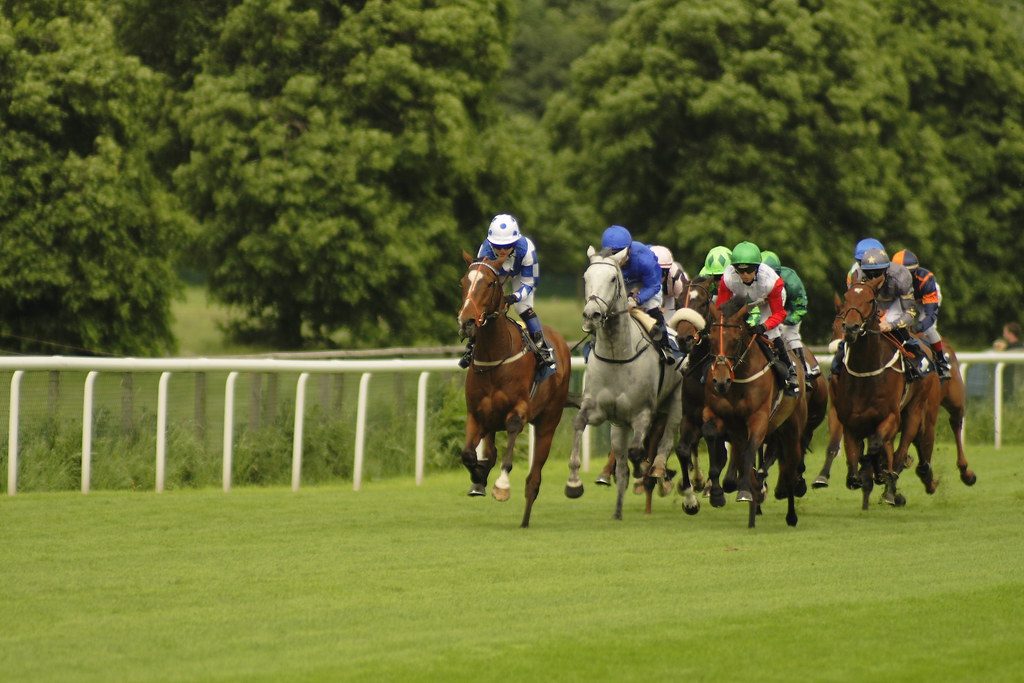

Sandown Classic Trial Day: Expert Tips and Analysis
Form Study, Trends and Track Insights for Sandown
Sandown Classic Trial Day presents a compact card where small margins can decide big handicaps and pattern races.
This preview expands on our selections and helps readers interpret form, trainers’ agendas and how the track plays into the weekend’s bigger plans.
Why Alcantor Appeals Here Despite His Draw
Alcantor’s French Guineas form and race fitness give him a clear starting point in the bet365 Mile without overstating his claims.
He showed adaptability to a wide draw in France and the run suggests an upward curve; connections have targeted useful targets in the UK before, which is worth noting.
Gunship’s Profile: What the Form and Breeding Say
Gunship’s limited racecourse exposure masks a strong pedigree and entries in major classics, which suggest progressive potential beyond his opening mark.
Two runs and a solid second at Southwell show both fitness and promise, and the Sea The Stars line gives stamina scope that could unlock improvement.
Key Recent Races To Reassess Form And Fitness
When assessing both Alcantor and Gunship, give weight to their most recent efforts rather than headline ratings alone.
Look at closely contested finishes, the level of competition, and whether each horse is doing something different here compared with that prior run.
Betting Strategy: Stakes, Value And Market Moves
Approach Sandown markets by sizing stakes to identify value rather than chasing price; small, selective wagers suit this type of card.
Watch early market moves for clues from connections, but avoid being pressured by short-lived drift or hype; disciplined staking increases long‑term enjoyment and preservation of funds.
How the Going Affects Mile Races at Sandown
The going at Sandown can vary quickly and will materially affect how front-runners or hold-up horses perform over a mile.
Firm ground tends to favour stronger gallopers, while softer conditions expose tactical speed advantages and can favour lightly raced types with stamina in their pedigree.
Trainer And Jockey Angles Worth Noting Today
Look for trainers with a strong recent record at Sandown or who send targeted entries for trials; their patterns often reveal intent for bigger targets.
Jockey bookings matter on a tight day: an experienced rider who knows the track can make a difference in small-field tactical battles.
Managing Bankrolls And Responsible Betting Tips
Set a clear, pre-determined stake plan for the day and stick to it; treat betting as entertainment rather than income.
This site is for readers aged 18 and over; if you gamble, do so responsibly and seek help if betting stops being fun.
Race-by-Race Practical Notes For Punters
For the 3:00 Sandown (bet365 Mile), focus on pace, trip adaptability and how each horse handled wide draws in past runs.
For the 4:45 finale, consider Gunship’s limited form profile against useful entries and whether his entries at Epsom and the Irish Classic indicate progressive scope.
What To Watch In-Running And On The Day
Observe early fractions and where key runners settle in the field; Sandown’s cambers can create false tempo signals from the stalls.
During live betting, check how bookmakers react to jockey switches and official declarations; significant market support from leading books often reflects insider confidence but is not infallible.
Contextualising Season Targets And Entry Lists
Many horses on trial days are being prepared for summer pattern campaigns or classic summer targets, so treat runs as part of a bigger plan.
Entries for Epsom, the Irish equivalents or other classics often indicate a trainer’s long‑term opinion of a horse, which helps when assessing whether a performance is likely to improve.
How Weather And Course Layout Influence Tactics
Sandown’s undulations and cambers reward adaptable horses and those who handle traffic well; inside draws can pay in tactical sprints but can be compromised if pace collapses.
Rain can change the complexion of races quickly, so monitor overnight and day-of weather reports when forming your view.
Interpreting Official Ratings And Other Metrics
Official ratings provide a useful baseline but must be interpreted alongside recent form, head-to-heads and the context of each race.
Look for horses improving their sectionals, taking leaps in performance in race-repeats, or displaying adaptability to different tactics and ground.
Selecting Value In Competitive Pattern Races
Pattern races at this level are often tightly contested, so seek marginal advantages: better draw, recent form, or clear stamina edge.
Small differences in weight, booking or seasonal progress can swing outcomes; value often lies with informed, selective choices rather than large multi-bets.
Using Bookmaker Offers And Comparison Tools Responsibly
Bookmaker offers can enhance value for new customers, but they should be used with an understanding of terms and sensible staking limits.
You can compare current offers and markets to find where value lies, and always prioritise reputable, UK-licensed operators when considering any sign-up deals.
How Football Betting Insights Can Inform Racing Approach
While football and racing differ, sound staking plans, value assessment and discipline are common denominators across both sports.
Use the same risk-management mindset you would apply to football accumulators when approaching multiple races on an afternoon card.
Post-Race Analysis: Learning For Future Meetings
After the meeting, review pace maps, margins and whether horses ran to or above expectations; this feeds into smarter decisions at the next meeting.
Noting horses that improve markedly for a run or those that disappoint can reveal trainer patterns or fitness issues useful for future bets.
Planning For The Jumps Season Finale And Beyond
With the jumps season finale on the horizon, Sandown’s trials help complete the picture for trainers’ spring programmes and summer targets.
Consider how performances here might redirect connections to chasing careers, back to further pattern races, or to handicaps once open-season goals are reassessed.
We encourage responsible gambling: this service is for people aged 18 and over and intended for informational purposes only.
If you are concerned about your or someone else’s betting, seek support from professional services and set limits that protect your finances and wellbeing.
You can explore current bookmaker offers through our comparison tools if you choose to bet responsibly and within your means.
For up-to-date sign-up offers and free bet options from our recommended bookmakers visit https://bestofbets.com/free-bets.
To compare casino bonus offers from our affiliated partners, see https://bestofbets.com/casino-bonus.
Frequently Asked Questions About Sandown Preview
What should I consider when assessing Sandown mile races?
Prioritise recent form, how horses handled similar draws and the likely pace scenario; track surface and ground are also key factors.
How much weight should I place on breeding and entries?
Breeding gives a guide to potential trip aptitude and stamina; entries for bigger races often indicate a trainer’s long‑term plan and belief in a horse’s potential.
Are bookmaker promotions useful for trial day betting?
Promotions can add value for careful, informed punters but check T&Cs and avoid letting offers dictate stakes or risk levels.
How do I size stakes for a compact card like Sandown?
Use a consistent staking plan based on bankroll percentage and avoid chasing losses; small, selective stakes are sensible on competitive cards.
What role does the going play at Sandown in spring meetings?
The going can change quickly and often suits horses with tactical speed when softer; always adjust your selection for the official going reported on race day.
How should I use market moves on the day?
Early significant support can indicate confidence from connections, but ignore short-term volatility and stick to pre-defined staking plans.