

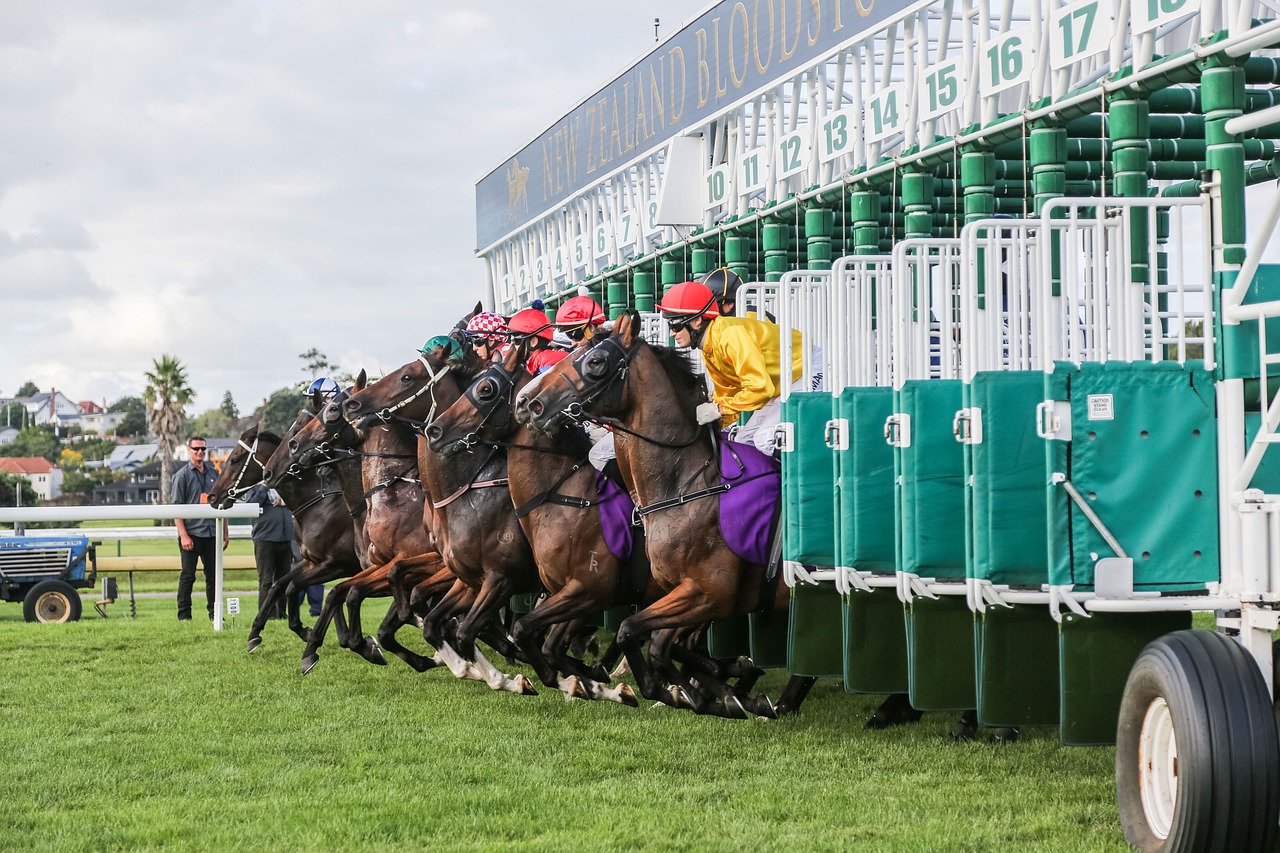

Royal Ascot Day 2 tips, form and betting guide
Below is an expanded, expert-led guide to complement our Day 2 selections at Royal Ascot, offering race context, form interpretation and practical staking notes for UK bettors. This content is informational and aimed at readers aged 18+, so please bet responsibly.
Detailed race-by-race analysis and betting notes
This section adds strategic context to the selections already published, focusing on how Ascot’s track, recent form and connections influence each horse’s chance. Always remember betting is for entertainment and not a route to guaranteed income; stake within your limits and seek help if gambling is causing problems.
How going and ground will affect key contenders
Ascot’s going often swings from good to good-to-soft when there’s rain, and horses with a proven record on sound turf tend to benefit on a firming surface. For Illinois and Pont Neuf, their pedigrees and past runs on better ground suggest they should handle a quicker surface more comfortably than rivals with recent heavy-ground wins.
For fillies and middle-distance types like Running Lion and Rowayeh, slight cut in the ground can be decisive. Assess the official going on race day and prioritise runners with proven class on similar going rather than relying solely on breeding pointers.
Ascot straight course quirks and how to use them
The straight course at Ascot favours horses that travel well and have a straight-running action, as there is less cover and the long straight exposes weaknesses. Rowayeh’s previous straight-course form and experience of quick turf make her a plausible each-way contender in a competitive heat.
Trainer and jockey form to watch at Ascot today
Trainers who target Royal Ascot with purpose typically bring fitter and well-planned horses, so check recent entries from those yards and their records at the meeting. Note jockey bookings: experienced Royal Ascot riders can extract extra performance, and a strong rider change can materially improve a horse’s chance under big-race conditions.
For example, Charlie Bishop’s return aboard Streets Of Gold is meaningful in a handicap where pace judgement and positioning are crucial. Similarly, Eve Johnson Houghton’s confidence in Pont Neuf, combined with a positive turf pattern from the yard, supports an upgraded chance for the juvenile.
When to favour stamina versus speed over trips
Races like the Queen’s Vase and longer handicaps often turn on stamina reserves, so Illinois’s breeding and staying-on runs are valuable indicators when the trip is extended. Conversely, the Royal Hunt Cup is frequently won by a fast, well-handicapped sprinter who can exploit a strong pace.
Staking plans, each-way tips and value hunting
Adopt a clear staking plan before you bet and stick to it; divide your bankroll into units and avoid over-staking after early wins or losses. For each-way markets, ensure the place terms make each-way betting sensible and prefer smaller, selective stakes for big-field handicaps like the Royal Hunt Cup.
Value hunting means comparing bookmaker prices and place terms, and using our bookmaker comparison tools to find the best available market. You can explore current bookmaker offers through our comparison tools if you choose to bet responsibly.
Interpreting weight, penalties and claimer bookings
Weight changes, penalties and the presence of amateur or claimer jockeys can distort handicap form lines; small weight drops after a good run are often a positive sign. In maidens and juvenile sprints, a claiming apprentice’s allowance can be significant but always account for the horse’s inherent class first.
How to read form lines and race-relevance factors
Not all formlines are created equal; focus on race quality, subsequent improvement of rival horses and margin context rather than raw finishing positions. Illinois’s Lingfield Derby Trial run and the subsequent wins and placed efforts of his rivals add credibility to that form, making his step up in trip more persuasive.
Similarly, Running Lion’s Listed Pretty Polly win and her two-year-old Group form hint at latent Group-class ability, but watch for behavioural traits like hanging that could influence Ascot’s course round. Look for corroborating form – horses who have franked their lines or faced similar opposition provide stronger betting angles.
Course and draw considerations specific to Ascot races
Ascot’s undulating nature and stiff finish reward horses that stay on strongly and possess tactical speed to avoid traffic, particularly in big fields. For five-furlong and six-furlong contests, early speed matters, while the straight mile and beyond will expose gallopers with fewer early leaders to chase.
In handicaps, low draws can be an advantage if there is early speed bias, but monitor race-day reports for any shifts in track condition. For the Kensington Palace Stakes on the straight, the draw and a straight-running action are both relevant when evaluating Rowayeh’s chance.
Assessing form in big-field handicaps like the Royal Hunt Cup
Big handicaps often contain progressive sprinters and older improvers; weigh up the most recent runs and off-the-pace versus on-the-speed profiles. Streets Of Gold’s Victoria Cup run and the modest handicap drop provide a plausible angle in a race where form can be difficult to decipher.
Practical checklist for match-day betting at Royal Ascot
Before placing a bet check the final declared runners, the official going, jockey confirmations and the market movements for clues on confidence. Compare odds across reputable UK bookmakers and look for best-place terms for each-way bets to maximise value.
Keep stakes measured and treat each bet as entertainment; if you’re unsure, it is perfectly sensible to pass. If gambling ever becomes a problem, contact organisations such as GamCare for confidential support.
Responsible gambling and legal requirements for UK bettors
This site is for readers aged 18 and over only and does not encourage excessive betting or present wagering as a way to solve financial problems. Please gamble within your limits and use tools such as deposit limits, cooling-off periods and self-exclusion where appropriate.
If you feel you are losing control of your gambling, seek professional advice from organisations including GamCare and BeGambleAware. You can explore betting offers and bookmaker comparisons through our tools, but remember offers are for entertainment and not guarantees of returns.
We recommend checking available free bet offers and enhanced place terms carefully and reading full terms and conditions before participating in any promotions. Any affiliate links on this site help fund our editorial work; consider offers responsibly and never stake more than you can afford to lose.
Summary of actionable angles for Royal Ascot Day 2
Key angles from today’s analysis include prioritising sound-ground form for Illinois and Pont Neuf, monitoring jockey bookings for Streets Of Gold and favouring straight-course experience for Rowayeh. Use a disciplined staking plan, seek the best odds and favourable each-way terms, and always include responsible gambling controls.
Enjoy Royal Ascot as a sporting spectacle, and view betting as a way to increase engagement rather than a way to earn money. If you decide to bet, do so responsibly and within your means.
You can find current bookmaker free bet offers and compare terms at our free bets page: https://bestofbets.com/free-bets. For readers interested in casino bonus offers, our curated list of affiliated casino promotions is available here: https://bestofbets.com/casino-bonus
Is there value in betting on Ascot handicaps today?
Yes, there can be value in Ascot handicaps when you identify horses with improving form, favourable weights or jockey bookings that represent genuine upgrades. Always assess the place terms and the size of the field before committing to an each-way stake.
How should I adjust stakes across high and low confidence bets?
Split your bankroll into equal units and stake more units on higher-confidence bets while using small, conservative stakes on speculative each-way or outsider selections. Never chase losses and avoid staking more after a losing run.
What should I look for in juvenile races at Ascot?
In two-year-old races prioritise proven speed, handler confidence and strong visual impressions from debut wins; pedigree for short-distance speed helps too. Pont Neuf’s Salisbury performance and purchase price are positive indicators for a stiff Ascot five furlongs.
Can trainer interviews and rides influence betting decisions?
Trainer interviews and stable confidence can be useful context but should not replace objective form assessment; treat them as one input among many. Confirm jockey bookings and recent performance of both trainer and rider when forming an opinion.
How important is the official going on race day?
The official going is vital; a horse with a preference for good ground will generally be more reliable on a sound surface than one whose best form comes on heavy ground. Reassess selections if the going changes significantly before race time.
Where can I compare bookmaker odds and place terms?
Use reputable bookmaker comparison tools to check odds and enhanced place offers, and consider shop-around value before placing a bet. Our free bets comparison page lists current offers and terms for UK customers aged 18+.
Who should I contact if I have concerns about my gambling?
If you have concerns about your gambling behaviour, contact support organisations such as GamCare or BeGambleAware for confidential help. If you are under 18, do not gamble and seek appropriate guidance and support from responsible adults or professionals.