
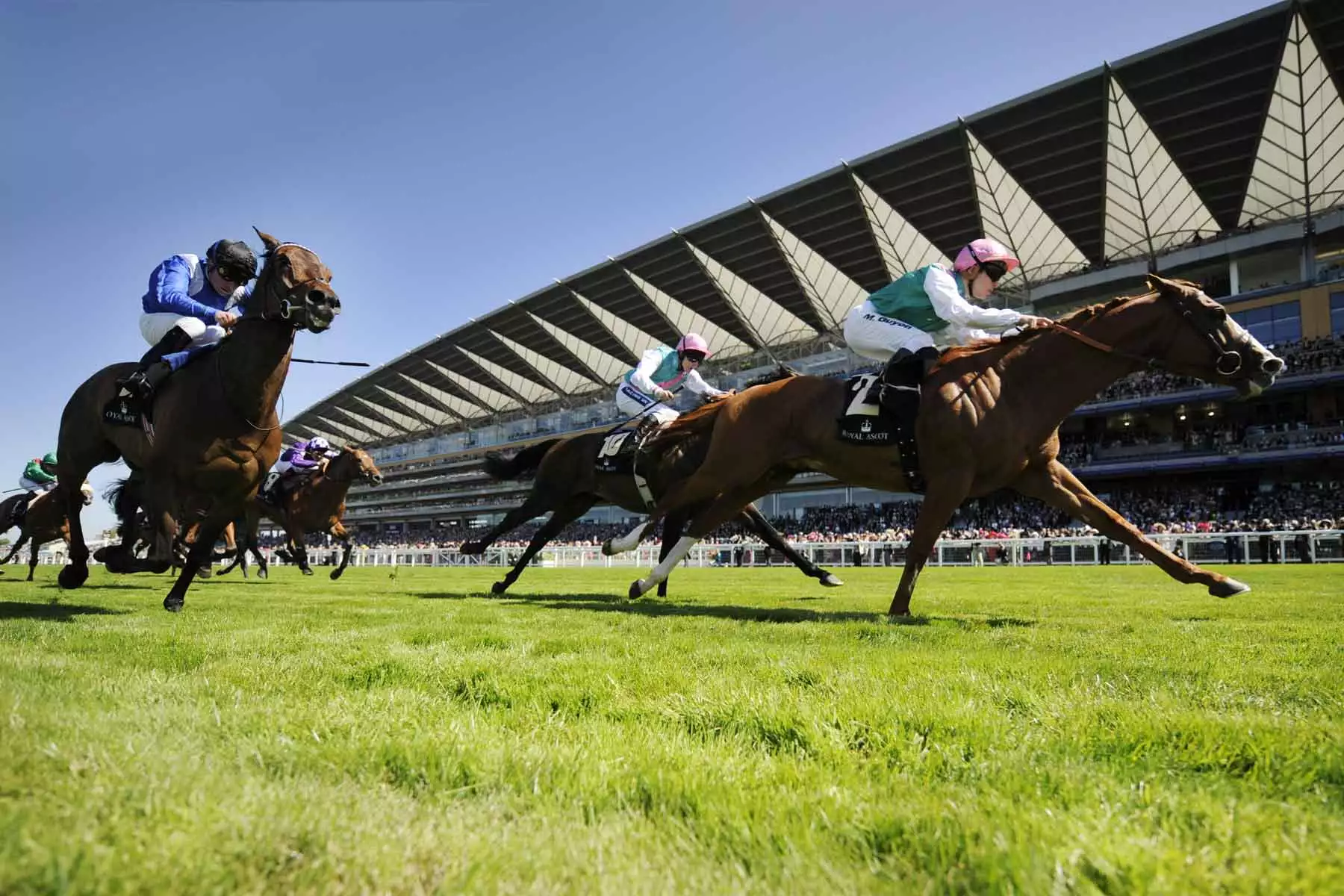

Royal Ascot 2024: expert betting guide and tips
Royal Ascot is one of the most scrutinised meetings in the flat season and presents a unique challenge for bettors seeking value. This guide complements the race-by-race tips above with practical advice on finding value and managing stakes across the five days.
How to find value bets at Royal Ascot meetings
Value at Ascot often comes from assessing how each horse handles the course, the going and the field size rather than backing headline names alone. Look for horses whose form and running style suit Ascot’s straight mile and uphill finishes, and combine that with market moves to identify genuine overlays.
Reading recent form and racecourse trends
Recent runs at similar distances and on similar ground are the best indicators of likely Ascot performance, so prioritise horses with credible recent form. Also check how a horse has performed around tight tracks and against high-class opposition, as Ascot often favours tactical speed and positional agility.
How weather and going reports affect odds in races
Going reports influence not only who is favoured but also the likelihood of outsiders running into the frame, so monitor forecasts closely. Late changes in the going can lengthen or shorten prices sharply and create opportunities for bettors who react calmly and sensibly.
Interpreting trainers, jockeys and international runners
Trainer and jockey combinations matter at Ascot; some trainers target Royal Ascot and arrive in precise peak condition, while certain jockeys read Ascot finishes better than others. International challengers can be mispriced due to unfamiliarity, so study their form in home conditions and any prep runs in the UK.
When to consider each-way bets and place terms
Large, competitive handicaps and big fields often merit each-way plays because bookmakers offer extended place terms for five-day meetings. Always check the specific place terms on offer and calculate the break-even price before committing any stake.
Staking strategies and responsible bankroll approaches
Adopt a staking plan that preserves your bankroll across the week; a fixed-percentage model reduces risk and keeps stakes proportionate to account size. Avoid chasing losses and remember that betting should be recreational — set limits before the meeting and stick to them.
Comparing bookmaker odds and key market features
Different bookmakers will price the same market variably and offer distinct place terms, so comparison shopping is essential for value hunting. Use odds comparison tools and check for non-odds extras such as enhanced place terms or no-juice offers that can improve value without increasing risk.
Understanding market moves, SPs and place terms
Early prices can be informative, but late market moves often reflect insider confidence or significant stable news, so weigh both appropriately. The starting price (SP) is a useful reference point for settling bets, but shop the market to secure the best bookmaker price before the off.
Practical tips for reading in-running and morning markets
In-running markets reward quick thinking and discipline; identify horses whose running styles suit in-running opportunities and avoid overtrading. Morning markets can reveal patterns about trainers’ confidence but are less reliable than late moves caused by stable confirmations or scratchings.
Race-specific approaches for the five Ascot days
Each day at Ascot demands a slightly different approach: sprints need a focus on gate speed and draw bias, while middle distances require stamina and tactical positioning. Tailor your research to the race type and resist the temptation to apply the same template to every event.
How to factor draw, pace and race shape into selections
Ascot’s straight mile and five-furlong sprint have subtle draw and pace implications that materially affect outcomes, so include sectional times and past pace maps in your analysis. Race shape models help predict which horses will be disadvantaged by a slow or fast early tempo.
Responsible gambling reminders and user protections
Betting at Royal Ascot should be for entertainment and is only suitable for those aged 18 and over; please verify your age and bet responsibly. If you feel betting is becoming a problem, use available tools such as deposit limits, self-exclusion and seek support from specialist organisations.
You can explore current bookmaker offers through our comparison tools if you choose to bet responsibly, and remember never to stake more than you can afford to lose. Our site includes affiliate links to bookmakers and casinos; these links help fund our editorial work but are presented without pressure.
How to use data and public information effectively
Publicly available speed figures, sectional timings and jockey bookings can all reveal subtle edges that the market may not fully price in. Collate data into simple checklists — form, ground, trainer/jockey, recent speed — to ensure consistent selection criteria across races.
Booking trackers and stable reports as value indicators
Jockey bookings and stable confirmations often happen in the days leading up to Ascot and can be early signs of a strong chance; make a note of late changes. Stable tours, interviews and official race notes can sometimes provide context that informs a sensible punt.
For a curated list of current bookmaker welcome offers and free bet opportunities, visit our free bets page to compare terms and find what suits you responsibly: https://bestofbets.com/free-bets
To review casino sign-up bonuses and related promotional terms from our partnered sites, see the dedicated casino bonus page for up-to-date offers: https://bestofbets.com/casino-bonus
Is Royal Ascot betting suitable for casual punters?
Yes, it can be enjoyable for casual punters who approach it as entertainment and use small, controlled stakes; remember this is for those aged 18 and over. Keep bets modest, use bookmaker comparisons and avoid complex sequences unless you understand the added risk.
How much should I stake per selection at Royal Ascot?
Stake according to a fixed-percentage of your bankroll or a unit-based plan to avoid overexposure; there is no one-size-fits-all amount. Consistency and discipline matter more than chasing big returns.
When are each-way bets most appropriate at Ascot?
Each-way bets suit large fields and handicaps where bookmakers pay multiple places, giving a better chance of a return on small stakes. Check the place terms carefully and calculate the implied value before placing an each-way wager.
Can international runners be a source of value at Ascot?
Yes, international runners can be underpriced due to unfamiliar form lines or travel concerns, but assess their form in context and adjust for differences in racing style. Look for horses with clear form patterns and credible prep runs in the UK.
What should I look for in trainer and jockey combinations?
Prioritise trainers who target Royal Ascot and have a track record of preparing horses to peak at big meetings, and note experienced Ascot jockeys. Those combinations often convert chances into placings more consistently than lesser-known pairings.
How do I compare bookmaker odds effectively?
Use odds comparison tools to identify the best available price and consider place terms as part of the value equation rather than price alone. Small improvements in odds compounded across multiple bets can materially affect long-term returns, so shop around.
What tools can help me avoid irresponsible betting?
Set deposit, loss and stake limits with your bookmaker and use time-outs or self-exclusion if needed; these tools are there to protect you. If gambling is causing harm, seek help from specialist UK support organisations.
Where can I check the latest Ascot market updates quickly?
Follow official tote and bookmaker feeds, and use reputable odds comparison sites for live market movements; avoid relying on raw social media tips. Timely, verified information helps you make informed choices without pressure.