

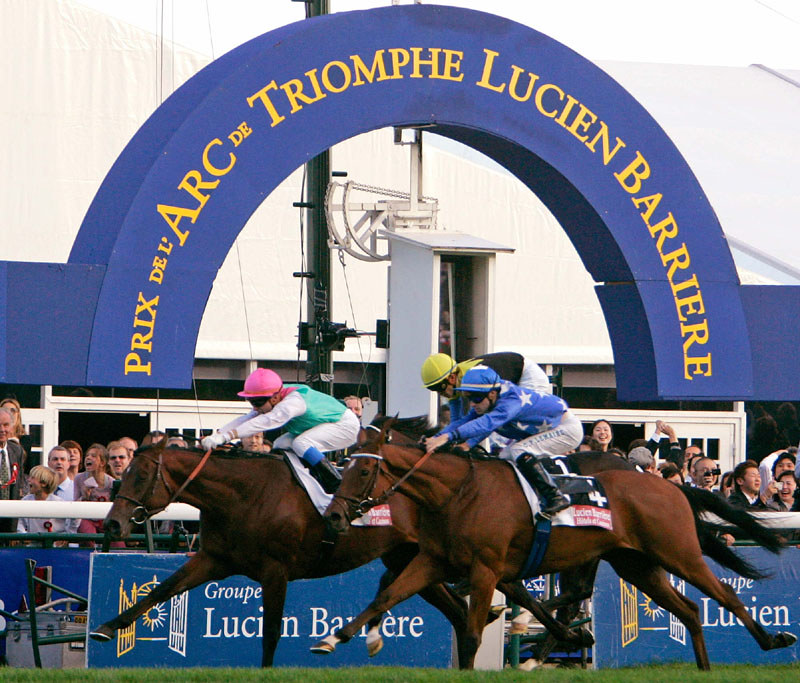

Prix de l’Arc Day: Full Betting Guide and Tips
How form, ground and draw affect Arc contenders
This guide expands on our race-day preview to give practical betting angles and stake guidance for Prix de l’Arc de Triomphe Day at Longchamp. Please note this content is for readers aged 18+ and is informational; gamble responsibly and only with money you can afford to lose.
Key betting angles for the Arc and supporting races
Start by splitting the card into types of races: juvenile sprints, middle-distance Group 1s, and specialist seven-furlong contests, then match horses to the most suitable market. Look beyond headline prices and assess consistency, ground adaptability and trainer/jockey combinations for each heat.
Assessing ground, distance and recent race patterns
Check whether a horse’s best form has come on good, soft or quicker ground and favour those whose figures show proven versatility. Note how many of their recent runs were against Group opposition and whether there is a clear progression curve.
Value hunting: combining form lines and prices
Value comes from combining reliable form lines with slightly inflated prices caused by big-field uncertainty or underexposed talent. Use each-way options where available on mid-priced horses with place form over the trip.
Responsible gambling reminders and bookmaker choices
Only stake amounts you can afford to lose and set clear loss limits before the meeting begins. If you wish to compare bookmaker offers and free bets, explore comparison tools and only use licensed UK bookmakers.
Rashabar and juvenile form to note for bettors
Rashabar’s Coventry Stakes and Morny form shows he handles pace and carries speed through to the line; that suggests he can be competitive stepping up to seven furlongs on Arc day. When assessing juveniles, allow for physical maturation and note trainers who upgrade their two-year-olds smartly into Group company.
Interpreting two-year-old form when backing Rashabar
Two-year-old races can be deceptive, so weigh head-to-heads, margins and the subsequent performance of rivals when grading Rashabar’s Ascot win. A useful test is how horses from his key races have fared in older-company Group races since the meeting.
Why Shin Emperor and Al Riffa appeal at their prices
Shin Emperor’s Irish Champion Stakes run and his family relation to Sottsass give him a pedigree and form mix suited to the Arc’s demands; the price reflects both respect and market caution. Al Riffa offers an alternative route: consistent pattern-placed runs and ground adaptability that may pay dividends if conditions change.
Assessing stamina and breeding for Arc distances
Check sire and dam-line stamina markers when judging contenders for 1m4f at Longchamp, favouring those with proven middle-distance family performance. Full- or half-siblings to top stayers offer extra assurance over the classic distance.
How to use race replays in your market selection
Replays reveal running style, positional adaptability and late acceleration; watch them to see whether a horse is cruising or under pressure. Combine replay insights with sectional times where available to gauge finishing power over the trip.
How Friendly Soul and Ramateuelle fit race conditions
Friendly Soul’s Group 2 Alec Head win and listed form show her ability over mile-plus trips and her pedigree suggests she can handle better ground if the track quickens. Ramateuelle’s 1000 Guineas run and sprint form underline her raw speed, which can be a major advantage in a seven-furlong contest that slices time.
Choosing between speed and stamina horses in support races
In races such as the Prix de la Foret, weigh speed specialists who can out-pace rivals against milers stepping back up in trip. If the going is quick, speed returns more value; on softer ground, stamina often wins the day.
Practical stake plans for Arc Day bettors
Create a simple staking plan: smaller unit stakes for longer-shot punts and conservative units for favourites, with larger relative stakes for selections you classify as clear value. Avoid chasing losses and set maximum exposure per race and for the day overall.
Example stake allocations for a four-bet portfolio
Consider a portfolio of one main win selection (1pt), two secondary win/each-way picks (0.5–1pt each) and one conservative each-way banker (1.5pt EW). Adjust units to personal bank size and risk tolerance; these examples are not financial advice.
Markets to consider beyond simple win bets
Each-way markets, place-only books and exotics such as forecast and tricast can add value when a race has a clear top pair but a competitive chasing pack. Antepost betting offers bigger value early, but remember it carries the risk of non-runners and changed form closer to the race.
When to use antepost and when to wait for day-of markets
Use antepost for big-value calls where the runner is likely to run and the price represents genuine edge; otherwise, wait for day-of markets to assess final declarations and ground. Bookmaker offers and free bets may alter the expected return, so compare prices across firms.
How to read trainer and jockey patterns for better selection
Some trainers target Longchamp with horses aimed specifically at Arc week and will bring a fit, well-placed string; others send horses as part of a broader international campaign and may need a run to peak. Jockey familiarity with Longchamp’s turns and race-riding in big fields is a plus, particularly in Group 1s.
Look for riders who have experience switching hands in large fields and for stable patterns such as second-season improvements or targeted prep races. Cross-reference trainers’ recent British and Irish form to assess current yard momentum.
Bookmaker comparison and using offers responsibly
Compare prices and terms across licensed UK bookmakers to ensure you access the most favourable each-way terms and special promotions. If using free bet offers, read full T&Cs and do not treat bonuses as extra capital for risky staking strategies.
You can explore current bookmaker offers through our comparison tools if you choose to bet responsibly and are 18+. Always check eligibility and opt-in requirements before using any offer.
Post-race analysis: building form lines for future meetings
After Arc Day, update your database with finishing positions, margin and going to help assess how form translates across seasons and surfaces. Horses that improve for the run or for new trainers should be flagged for follow-up at similar trips or ground.
Note also how Longchamp form performs back in Britain and Ireland; cross-border formlines can be insightful when upcoming international contests feature the same names.
Summary checklist before placing any bets on Arc Day
Checklist: confirm declarations and jockeys, final going description, compare exchange and bookmaker prices, and confirm stake within your pre-set limits. Remember there are no guarantees in betting and preserve bankroll discipline at all times.
For more details on comparative free bet offers and bookmaker terms, visit our free bets page to compare top recommended UK bookmakers and their new-customer offers. If you are interested in casino offers, you can review current affiliated casino bonus offers on our casino bonus page.
Frequently asked questions about Arc Day betting and form
Is betting on the Prix de l’Arc de Triomphe suitable for beginners?
Beginners can watch replays and focus on simple win or each-way markets, keeping stakes small and learning from outcomes. Always gamble responsibly and start with modest stakes.
How important is the going for Arc Day races?
Going is crucial; it determines which horses handle the surface best and can change the value of contenders quickly. Check final going and consider horses with proven form on similar ground.
Should I use antepost markets for Arc selection?
Antepost can offer value but carries risk of non-runners and changed form, so only use it when you have conviction and can accept potential loss of stake. Keep antepost exposure limited within your staking plan.
How do I assess juvenile horses like Rashabar for big meetings?
Look at head-to-heads, subsequent form of their rivals and physical progress between runs when assessing juveniles. Prioritise horses from yards known for improving two-year-olds into the autumn.
Are family relations like being a sibling to a past winner strong indicators?
Family success provides useful context about likely stamina and aptitude but must be combined with recent performance and race conditions. Don’t rely on breeding alone; use it as one input in your selection process.
What stake management strategy is recommended for race day?
Use a fixed-unit staking plan with smaller units for speculative picks and larger units for selections you rate highly; limit total exposure per day. Never chase losses and set pre-defined stop-loss limits.
Where can I compare bookmaker prices and offers safely?
Compare licensed UK bookmakers via reputable comparison tools to find the best odds and free bet terms, and ensure you meet account verification requirements. Only use bookmakers regulated by the UK Gambling Commission.
What support is available if gambling becomes a problem?
If gambling is causing harm, contact organisations such as GamCare or use the self-exclusion tools offered by UK-licensed bookmakers. Help is available and seeking support is a responsible step.