

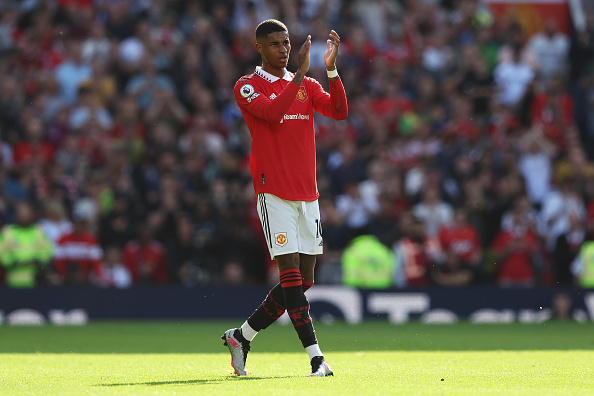

Manchester United 2022-23 Player Rankings & Analysis
This extended analysis complements the player ratings already shown above and explores what made Manchester United finish strongly in the 2022–23 Premier League season. The following sections break down defensive and attacking contributions, consistency, and how these performances can be interpreted for form analysis and betting research in a responsible way.
How each player’s ratings were calculated and used
The ratings referenced in the list above are based on average match ratings compiled across competitions and reflect a mix of tangible stats such as goals, assists and tackles, plus qualitative match impact measured across the season. We use those ratings to identify trends in form, fitness and influence rather than to predict guaranteed outcomes.
Defensive contributions from full-backs and midfielders
Full-backs and defensive midfielders were crucial to United’s stability at Old Trafford, with successful tackles, interceptions and positional discipline showing up in the season averages. These metrics reveal which players were delivering defensively on a regular basis rather than relying on isolated standout games.
Aaron Wan-Bissaka: defensive metrics and role
Aaron Wan-Bissaka’s average tackles per game and one-on-one defending were central to his resurgence, and his minutes show he remained a reliable option when needed. His contributions also underline how simple defensive consistency can be as valuable as attacking flair for squad balance.
Diogo Dalot: attacking returns and defensive work
Diogo Dalot combined a solid defensive work-rate with notable attacking output, including goals and assists that improved his overall rating. His dual contribution demonstrates the modern full-back profile that pitchers both defensive security and forward thrust.
Casemiro: screening the midfield and defensive stability
Casemiro’s role as a defensive screen reduced pressure on United’s backline and increased the team’s ability to control midfield tempo, which is reflected in his consistent rating. His physical presence and tactical discipline provided a platform for the attacking players to perform with more freedom.
Attacking output and creativity across the squad
Goals, assists and chance creation explain much of the higher ratings among attacking players, but understanding how those contributions were created — via movement, link-up play and set-piece involvement — adds depth to simple numbers. Evaluating creativity alongside efficiency gives a fuller picture of attacking value.
Marcus Rashford: goal output and movement
Marcus Rashford’s goalscoring haul and ability to influence matches with intelligent off-the-ball movement were key to his place in the ratings list. His combination of finishing and chance creation made him one of the most potent forwards in England during the campaign.
Bruno Fernandes: creativity, assists and leadership
Bruno Fernandes provided minutes of creativity and leadership that translated into a high assist count and significant match influence, explaining his top rating. His role as a chance creator and key decision-maker made him the team’s playmaker through long periods of the season.
Consistency, fitness and availability during the season
Availability matters: players who feature regularly cover more opportunities to impact matches and therefore often earn higher average ratings due to sustained performance. Injuries and rotation can depress a player’s average even when isolated performances are excellent, so minutes played are an important context metric.
Monitoring minutes played, injury history and rotation patterns is useful for understanding how managers used their squads and which players can be relied upon in future fixtures. That information is also relevant when assessing short-term form for match previews and research-based betting decisions.
Key moments, match-winning contributions and goals
Some players boost their season ratings through decisive moments — last-minute goals, match-winning assists or defensive interventions — and those moments can disproportionately shape public perception. A balanced analysis looks at both clutch moments and overall consistency to determine true influence.
Considering high-leverage contributions alongside steady output helps distinguish between a player who occasionally changes a game and one who drives performance every week. Both types of contribution have value, but they should be weighed differently in research or when comparing players.
How these performances affected Manchester United’s league position
Improved defensive solidity and the goals from Rashford and Fernandes were central to the run that secured a top-three finish, demonstrating how combined individual performances contribute to team outcomes. Tactical balance between defence and attack underpinned many of the positive results recorded at home.
Assessing player ratings alongside team results reveals which positional areas had the biggest impact on points gained, and it shows how signings such as Casemiro changed the dynamics of the midfield in practical terms rather than theory alone.
Comparisons to previous seasons and trend analysis
Comparing 2022–23 ratings with earlier seasons highlights development or regression for individuals and the squad as a whole, giving insight into recruitment effectiveness and coaching influence. Trends in minutes, goal involvement and defensive actions give a useful longitudinal perspective.
For example, a player returning to consistent selection after previous rotation suggests improved form or tactical fit, while newcomers who adapt quickly usually show in-season upticks in their match ratings and statistical outputs.
Using player ratings responsibly in form and betting research
Player ratings are a helpful tool in match analysis and can inform research-led betting decisions, but they do not guarantee outcomes and should never be used as a standalone predictor of results. Always combine ratings with tactical analysis, injury news and market context when forming an opinion.
If you choose to use bookmaker comparison tools or offers, do so responsibly and ensure you are 18 or over; these resources should support informed choices rather than encourage risky gambling behaviour. Betting should always be seen as entertainment and not a way to solve financial problems.
Bookmaker pricing, how odds reflect player form and limitations
Odds can move to reflect player availability and recent form, but pricing also factors in market sentiment and bookmaker liability management, which may not always mirror underlying performance data. Understanding those limitations means you can use ratings as one input among many rather than definitive proof of an outcome.
When researching matches, look for discrepancies between statistical indicators and market odds, but do so without assuming certainty, and never chase losses or treat betting as a source of income.
How to read per-90 metrics and contextualise them
Per-90 metrics standardise performance for players with differing minutes and are useful for fair comparisons, but they must be read alongside sample size and competition level to avoid misinterpretation. A high per-90 stat from limited games is less reliable than the same figure maintained over a full season.
Contextual data such as opponent strength, tactical role and home/away splits helps turn raw metrics into actionable insight, and that layered approach improves both editorial analysis and any responsible research you might use for betting decisions.
What the future might hold for the standout players
Players with solid metrics and consistent ratings are likelier to attract transfer interest or to be central to the manager’s plans going forward, but form can fluctuate with tactical changes, injuries and competition for places. Predicting future output requires a blend of statistical projection and football knowledge.
For long-term forecasts, consider age, injury record and playing style compatibility with manager tactics, rather than relying solely on a single season’s numbers to form expectations.
Data sources and reliability considerations for ratings
Ratings draw on match data providers and in-house analysis, but each source has methodology differences that influence final numbers, so cross-referencing multiple sources improves confidence in conclusions. High-quality data tends to be more consistent with observed match performance and tactical nuance.
Editorial judgement remains essential: numbers support analysis, but watching games and understanding role context completes the picture for readers seeking informed, expert commentary.
How to use BestOfBets comparison tools responsibly
Our comparison tools present bookmaker offers and free bet promotions to help users find value, but they are intended for adults aged 18+ only and should be used with an emphasis on safe, controlled participation. Compare offers without pressure and avoid chasing incentives if it leads to irresponsible behaviour.
If you use affiliate links on the site, they are clearly labelled and provided for convenience; choosing a bookmaker should be a considered decision based on licence status, responsible gambling tools and your own limits.
Frequently asked questions about Manchester United season ratings
Which Manchester United player had the highest rating?
Bruno Fernandes recorded the highest average rating in the list above, reflecting his goals and high assist numbers across the season. Ratings are averages and must be interpreted alongside minutes played and competition context.
How reliable are average match ratings for judging form?
Average match ratings are a useful indicator of form but should be combined with underlying stats and match viewing for a fuller assessment. No single metric should be treated as a guaranteed forecast of future performance.
Did signing Casemiro make an immediate difference?
Casemiro’s arrival stabilised midfield defensively and his performances show a positive impact on team balance, reflected in his consistent season ratings. However, team improvement is multifactorial and not solely attributable to one player.
Can I use these ratings for betting research?
Ratings can inform research-led decisions when combined with tactical analysis, injury updates and market context, but they must not be used as guarantees. Always gamble responsibly and ensure you are 18 or over.
Why did Diogo Dalot outrank Aaron Wan-Bissaka in appearances?
Dalot’s combination of defensive solidity and attacking contributions led to more starts and a higher average across competitions, which is reflected in the rankings. Selection choices are influenced by form, fitness and tactical fit.
Are goals the main driver of high ratings for forwards?
Goals and assists are key drivers, but movement, chance creation and link-up play also influence ratings for forwards and attacking midfielders. A holistic view of attacking contribution offers the best insight.
Where can I compare bookmaker offers mentioned in this article?
You can explore our bookmaker comparison pages to review current offers, promotions and free bets for adults aged 18+, ensuring you prioritise licensed operators and responsible gambling tools. These resources are informational and intended to help you make a considered choice.
Explore our top recommended bookmaker free bet offers for new customers at https://bestofbets.com/free-bets to compare options responsibly. You can also view casino bonus offers for new customers at https://bestofbets.com/casino-bonus and check terms before participating; both resources are for readers aged 18+.