

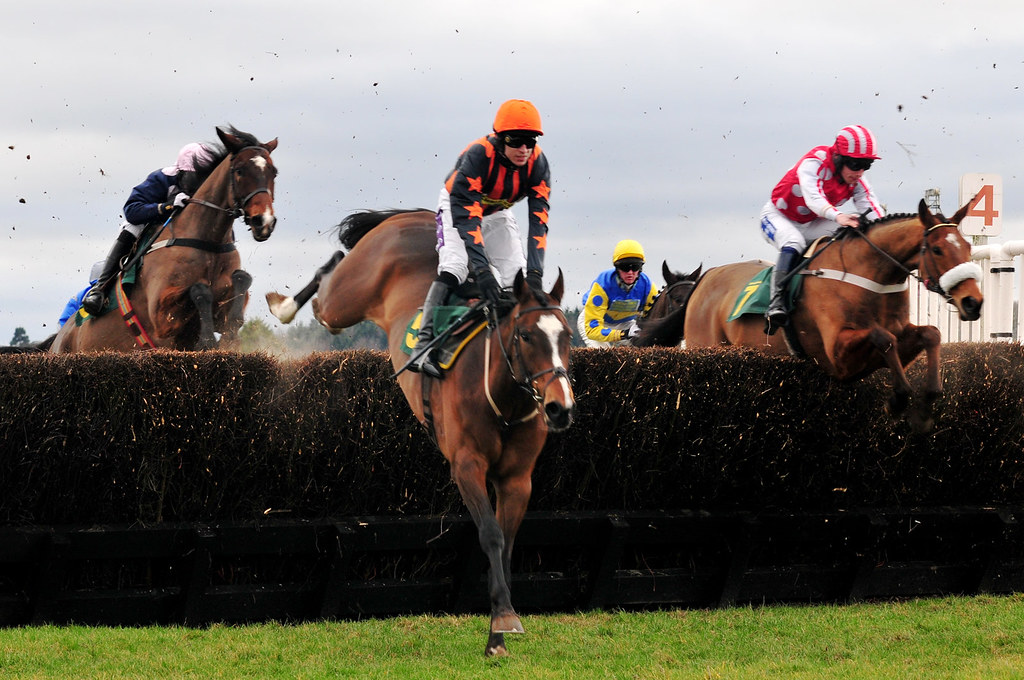

Haydock and Ascot Saturday Racing: Tips & Analysis
This guide expands on the weekend cards at Haydock and Ascot, offering practical angles for short-priced wins and each-way plays while staying strictly informational. Betting is for adults 18+ only; please gamble responsibly and never stake more than you can afford to lose.
How to approach weekend handicaps and big-field races
Big-field handicaps at Haydock and Ascot demand a clear process: identify the likely pace scenario, check recent form on similar ground, and weigh trainer/jockey trends against opening marks. Combine market movement with course-specific stats to judge whether a short-priced selection offers fair value or whether an each-way play is preferable.
Keep stakes sensible and structured: set pre-defined limits for singles, doubles and each-way bets and avoid chasing losses after an unlucky result. You can explore current bookmaker offers through our comparison tools if you choose to bet responsibly.
Assessing trainer and jockey trends for this meeting
Trainers such as Evan Williams, Harry Fry and Philip Kirby show distinct patterns at these tracks and their entries can be judged by recent strike rates and specific course records. Jockey bookings matter as much as trainer form; a lightweight claim, a course-specialist rider or a partnership that handles heavy ground can alter a horse’s chance significantly.
When a trainer targets a particular race, as with Altobelli for the Betfair Exchange Trophy, give extra weight to schooling reports and recent stable outings. If a rider switches off a stronger horse to take a mount, that can be an additional clue to raw confidence in a selection.
How to read betting markets and early prices
Opening prices reflect bookmaker liability and early backers rather than final formbook consensus, so treat them as a snapshot and watch for consistent shortening across multiple firms. Substantial backing from exchanges or specialist bookmakers often precedes further market tightening and can reveal informed money.
If a horse drifts widely from the SP quoted in previews, it pays to check late-scratching reports, jockey confirmations or ground updates rather than assuming form has changed. Manage exposure by planning smaller stakes if market confidence is unclear.
Reading the going: soft and heavy ground impact
Haydock and Ascot both produce testing ground in winter, and a shift from soft to heavy can transform the form lines; look for horses that have won or run well on similar going and be wary of those whose best form is on quicker turf. Trainers often specify targets that suit the expected going and will withdraw if the ground becomes unsuitable.
When heavy ground is likely, stamina over trip and a proven ability to handle boggy turf become primary filters for selection. A horse racing prominently with a clear gallop in heavy conditions often holds an advantage over closers who struggle to make up ground.
Using form lines and pace maps to judge chances
Construct simple pace maps from recent runs to see which horses are likely to lead, race prominently or sit mid-division; this will show whether a horse can dictate terms or will be vulnerable to horses with better tactical speed. For example, a horse like Bushypark that can secure an easy lead in soft going may be very effective at Haydock.
Form lines should be weighted for race quality rather than raw finishing position; a close second in a good handicap can carry more merit than a facile win in a weak race. Adjust expectations when horses step up or down in trip, especially when returning to two miles versus extended three-mile contests.
Short-priced win selections: value and market moves
Short-priced favourites can still represent value if the weight, going and class all point to a dominant run; however the price must be earned by cross-referencing official ratings and recent efforts. In races where the favourite is only marginally ahead on the cards, consider that small price differences often reflect hidden negatives such as wind issues or a long layoff.
When backing a favourite like Real Stone or Jagwar at short odds, check for mitigating factors such as penalties, draw bias or a jockey change that could affect the expected performance. Smaller stakes at short prices preserve a professional staking plan while still allowing exposure to clear chances.
Bookmaker offers, comparisons and responsible tips
Bookmaker sign-up offers and enhanced odds can boost value but always read terms and compare the true expected return, as rollover requirements can reduce usefulness. Use comparison tools to find the best available price and the most favourable terms, and view offers as occasional supplements rather than reasons to increase stakes.
Never treat promotions as income or a substitute for proper bankroll management; they are an added convenience for new and existing customers. If you wish to review current free bet options, you can explore our recommended offers responsibly through our bookmaker comparison pages.
Each-way strategies and how to size your stakes
Each-way bets are most effective in large fields or where the each-way terms are generous and the horse has a realistic place chance; aim for horses with course form or a clear class edge to maximise the chance of collecting a place return. On heavy ground or with erratic front-runners, place depth can be reduced, so size stakes accordingly.
Consider reducing the win stake and increasing the place portion in races where the favourite is short and the rest of the market is competitive; this keeps potential returns balanced while limiting downside. A disciplined staking plan with set percentages of bankroll per bet is the most reliable long-term approach.
Applying this to the big races and selections
When assessing the specific weekend selections such as Doyen Star, Jagwar, Real Stone and Altobelli, apply the filters outlined above: check official ratings, ground form, course records and trainer targets to confirm that the price reflects true chance. Each selection discussed in the main column should be re-evaluated against late declarations and any new market movement before placing a bet.
For the each-way candidates like Illogical Logic, Dr Kananga and Bushypark, verify historical form over similar trips and heavy conditions and weigh the value of 1/4 or 1/5 place terms offered by different firms. Always avoid increasing stakes simply because a horse is well-handicapped on old form without current proof of racing ability.
In-play markets and cash-out considerations
In-play markets can provide responsive options when a quick pace collapses or a favourite peels off badly, but liquidity and in-running prices vary widely between bookmakers and exchanges. If you plan to use in-play or cash-out, test the platform on low stakes first and ensure you can access live pictures or real-time commentary to inform decisions.
Cash-out should rarely be used to lock in a small profit at the expense of the original value proposition; instead it can be used prudently to limit losses in the event of a clear change of prospects. Keep records of in-play trades to refine your approach across meetings.
Practical checklist before placing a bet
Before you place any wager, confirm the official going, the confirmed rider, the final declarations and the exact terms of any bookmaker promotion you plan to use. Revisit each selection’s recent form for evidence of suitability to the expected race conditions and whether weight adjustments or claims materially affect the chance.
Set a maximum liability per race, adhere to your staking plan and never increase stakes to chase previous losses; treat betting as entertainment backed by research rather than a route to profit. If you feel your gambling is becoming problematic, seek support and use available safeguards such as deposit limits or self-exclusion.
Record keeping and post-race review for improvement
A short betting ledger tracking stake, selection, odds and race conditions will rapidly improve your understanding of where you are making or losing value. Post-race reviews should focus on lessons such as misreading the pace, underestimating the ground impact or missing a late withdrawal that changed the race dynamic.
Use those insights to refine your future race filters and adjust your staking plan rather than to alter risk levels on a whim. Consistent record-keeping is the hallmark of professional punters and helps avoid emotional reactions to short-term results.
Data tools and resources to enhance selection quality
Leverage form databases, course statistics, trainer profiles and in-running charts to create a reliable shortlist for each race rather than relying on headline tips alone. Trackers that show market movement across multiple bookmakers and exchanges are particularly useful for spotting early smart money on selections such as those featured in this column.
Combine numerical tools with visual checks of replays to assess finishing effort and jump technique; a horse with a strong late surge on galloping ground may not be effective if the meeting turns heavy. Balance quantitative and qualitative evidence to form a rounded view.
Staying disciplined with bankroll and mental approach
Discipline is the most important skill in betting: set a bankroll, divide it into units and only stake a fixed number of units on standard bets, with smaller unit fractions for speculative each-way chances. Avoid staking increases after wins or losses and review performance quarterly to check if your edge is improving or deteriorating.
Keep betting separate from other life stresses and treat it as a hobby with rules; if it becomes a source of anxiety or financial strain, step back and seek support. The Gambling Commission and responsible gambling organisations provide tools and advice for anyone needing help.
Final practical notes for Saturday’s cards
Re-check trainer declarations and any late rain updates before finalising bets for Haydock and Ascot; small changes in ground or jockey can swing the balance in close contests. Use firm-specific odds comparisons and, where appropriate, take advantage of extended each-way terms only if the underlying form supports a genuine place chance.
Remember that horse racing is uncertain by nature and the aim is to find an edge, not to remove risk entirely. If you choose to place a bet, do so responsibly and within pre-set limits.
You can explore current bookmaker free bet offers and compare terms on our free bets page for responsibly considered promotions: https://bestofbets.com/free-bets. If you’re also interested in casino bonuses, you can view a selection of casino sign-up offers and terms here: https://bestofbets.com/casino-bonus.
Frequently asked questions about Saturday racing selections
Can I include each-way bets at long odds on Saturday?
Yes, each-way bets can be sensible in large fields or where the horse has a clear place profile, but only if the form supports a genuine place chance. Always check the bookmaker’s place terms and size stakes in line with your bankroll plan.
How should I adjust stakes for heavy ground races?
Reduce stakes if your selection’s form is mainly on quicker ground and consider full-size stakes only for proven mud runners. Adjust your unit size conservatively when the going is significantly wetter than in previews.
When is it better to take an each-way option than a straight win?
Choose each-way when the favourite is short and the rest of the market is competitive or when a selection has a strong place profile but an uncertain win chance. Each-way terms and field size determine whether the value is compelling.
Are opening prices reliable indicators of true chance?
Opening prices reflect early market sentiment and bookmaker liability but are not definitive; monitor moves across multiple firms for confirmation. Significant shortening in multiple outlets often signals informed support.
How do I use trainer targeting to inform my bets?
Trainers targeting a specific race often produce their horses fit and primed, so give extra weight to entries from yards with a known plan for the contest. Check recent stable runs and notes for evidence of a targeted campaign.
Should I use cash-out for in-running adjustments?
Cash-out can limit losses or lock small profits, but using it too often can reduce long-term returns; use it sparingly and only when the in-play picture clearly contradicts your pre-race assessment. Test the feature on small stakes first.
What are the responsible steps if betting becomes stressful?
If betting causes stress or financial strain, seek help and use bookmaker tools such as deposit limits, time-outs or self-exclusion. Support organisations provide confidential advice and practical steps to regain control.
How do bookmaker promotions affect value in practice?
Promotions can improve short-term returns but check the terms carefully for rollovers or restrictions that reduce actual value. Use promotions as occasional enhancements rather than the basis for changing your staking strategy.