

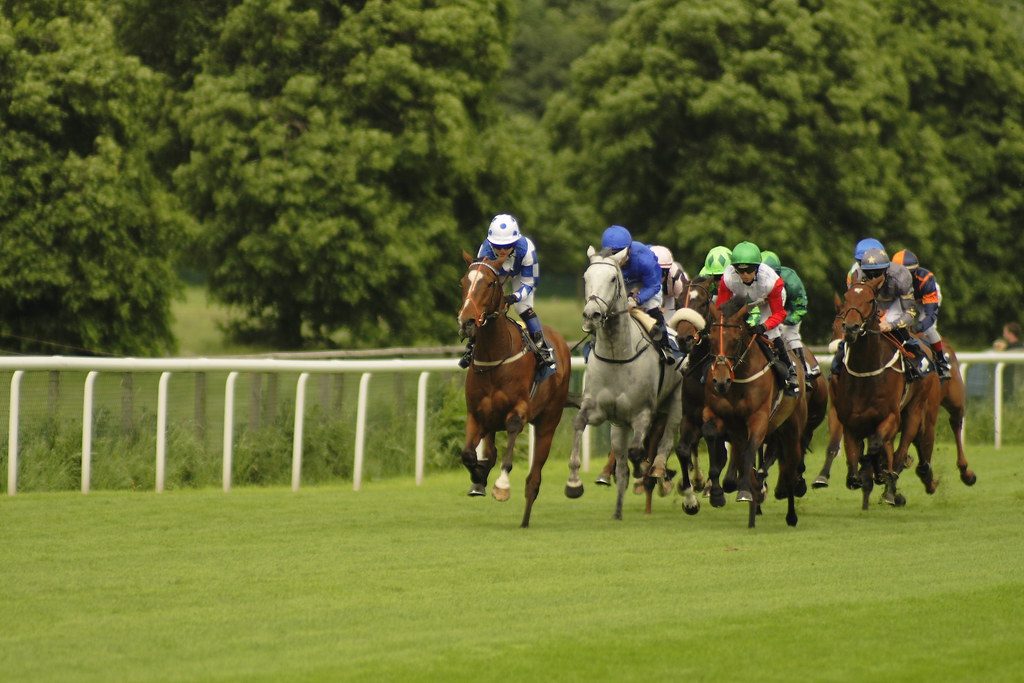

Saturday Racing Tips, Analysis and Betting Guide
How to read the cards and make informed bets
This expansion complements the selections above by explaining how to read form, pace, ground and market signals before placing a considered wager. Betting is for adults aged 18+, and this guidance is informational to help you bet responsibly.
Key form factors to consider for jumps racing
When assessing hurdle and chase races look beyond finishing positions to the style of that performance, whether a horse travelled well, met trouble in running, or improved late; these details often indicate potential on different ground or trip. Pay particular attention to horses dropping in grade or running fresh after a break, as class and fitness swings can create value opportunities without implying certainty.
Assess trainer and jockey form over relevant trips
Trainer patterns and jockey bookings are important indicators; consistent trainers at a meeting or stable horses stepping up in distance with a proven jockey partnership can show readiness to improve. Short-term spikes in trainer strike-rate should be checked against the type of race and ground to avoid over-valuing a small sample.
Interpreting official ratings and recent weight changes
Official ratings and weight drops or rises give an initial filter but must be read in context of course, class and recent form; a 3lb rise can be negligible if a horse is clearly stepping back into weaker company or returning to a preferred distance. Look for horses running off marks below a previous winning level or with smart placed form at similar tracks.
Ground conditions, course bias and weather considerations
Going reports and forecast weather alter race shape; some Ascot and Lingfield patterns favour hold-up horses while other tracks suit front-runners, so check recent card form for visible course bias. A trainer’s record on soft or good-to-firm ground is a practical guide to whether a horse handles the expected surface.
How to evaluate flat race pace and draw impact
Pace maps help you understand likely leaders, which is crucial over a mile at Ascot where inside draws and early speed can shove horses across the track and compromise finish. For Ascot’s mile races consider whether horses that typically race on the far rail will be disadvantaged by a projected strong centre or near-side pace.
Using form lines and race patterns to pick outsiders
Study deeper into the form lines: a seemingly modest finishing position can hide progressive signs such as late gains, wide runs or recovery from a poor start and these traits often translate to handicap improvement. Identify horses that are better than their recent mark suggests because of consistent in-running improvement or moves to a more forgiving trip.
How to compare Ascot and Lingfield form effectively
Ascot often hosts higher-class contests and its undulating finish suits horses with a strong late burst, while Lingfield can favour progressive types stepping up from good provincial tracks; comparing times and sectional data where available helps normalise performances. Factor in a horse’s previous course runs — a clear record at either venue gives confidence when conditions repeat.
Stake sizing, value spotting and responsible betting
Decide stake sizes based on confidence, value and bankroll rules rather than emotion; a flat percentage staking plan preserves funds and identifies value when markets shift. Never treat betting as a financial plan — it should be entertainment for those aged 18 and over, and you should set limits to avoid chasing losses.
How to assess in-running and market moves for value
Market movements from morning to race time and in-running price shifts often reflect information from connections and judges; small, steady shortening can indicate confidence while late, sharp moves sometimes mark situational plays or overreaction. Combine market signals with your form view and avoid wagering solely on short-term volatility without a firm rationale.
Choosing bookmakers and reading offers responsibly
Compare prices across several reputable bookmakers to find the best odds and place terms, but do so calmly and within pre-set limits, checking each book’s terms for each-way places and void conditions. You can explore bookmakers and offers through comparison tools if you choose to bet responsibly and remain aware of affiliate links on some comparison pages.
How to use race replays and data to refine selections
Replay the last two to three races for key contenders to see how they handled traffic, changes of direction and varying paces; replays reveal traits that form lines alone do not, such as a tendency to hang or a preference for a particular racing rhythm. Cross-referencing sectional times with visual assessment improves the accuracy of judging whether a horse will relish a stronger or weaker tempo.
Managing multiple bets across the card for balanced exposure
If following multiple selections across Ascot and Lingfield consider a combination of small win stakes and larger each-way or forecast coverage to balance risk and reward without overexposure. Avoid placing sums you would feel pressured about if they lost; setting maximum per-race and per-day caps is a practical responsible-gambling technique.
For further information on the best bookmaker free bet offers for new customers, see our recommended list at https://bestofbets.com/free-bets. If you are interested in casino bonus offers from our affiliated partners you can find current promotions at https://bestofbets.com/casino-bonus.
What factors determine value in handicap races?
Value in handicaps comes from spotting horses whose true ability exceeds their current mark due to improving form, positive trainer patterns, or a drop in class. Always factor in ground, trip and market context before concluding a bet is value; this is guidance for those aged 18+ to help manage risk responsibly.
How should I size stakes for single race bets?
Stake sizing should reflect your bankroll and confidence level, commonly using a fixed-percentage model such as 1–3% of your staking bank per selection. Avoid increasing stakes to chase losses and keep records to assess long-term performance objectively.
When is each-way betting most appropriate to use?
Each-way bets suit races with large fields or where the market is competitive and a clear favourite is present, as they offer a way to profit from placed prospects without needing a win. Check each-way terms carefully and only bet within limits you set for yourself, since outcomes are not guaranteed.
How do going and ground affect race outcomes?
Going affects stamina and traction; some horses lose their pace on heavy or soft ground while others improve, so a trainer’s ground record is useful evidence for likely performance. Adjust your expectations depending on forecast changes and avoid assuming past form will repeat on drastically different ground.
What information improves insight into form lines?
Beyond finishing position, look at closing speed, interference, sectionals, weight carried and the quality of opposition to form a rounded view of a horse’s prospects. Combining these details with trainer and jockey trends delivers better-informed selections for races at Ascot, Lingfield and elsewhere.
How to use trends and course form for Ascot and Lingfield
Study recent winners’ profiles at each course — look at age, sex, weight carried and previous course runs to identify recurring patterns that match your candidate. Trends are helpful but should be one element of a broader form-based approach rather than the sole decision driver.
Are bookmaker offers safe and suitable for new customers?
Bookmaker offers can provide extra value for new customers but always read the T&Cs, minimum odds and wagering requirements before taking an offer. If you choose to use offers, do so responsibly, ensuring you are 18+ and are not staking money you cannot afford to lose.