

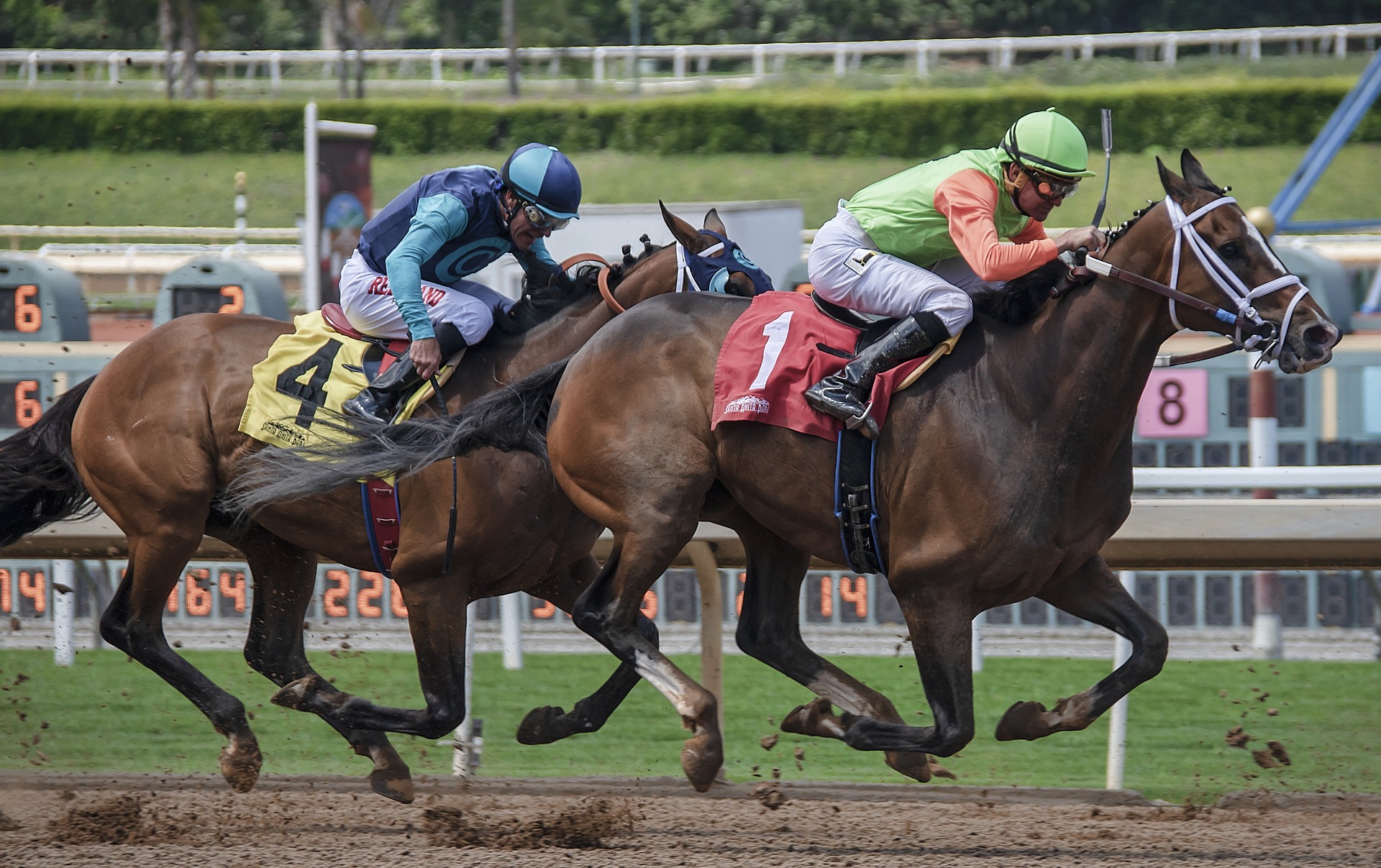

King George VI & Queen Elizabeth Stakes Preview
The King George VI & Queen Elizabeth Stakes is one of the season’s standout weight-for-age tests and a genuine mid-summer highlight for Flat racing fans in the UK.
This preview expands on form, race dynamics, key contenders and how conditions and weights are likely to shape the outcome at Ascot.
Form lines, race context and betting considerations
This year’s renewal brings together leading middle-distance performers of different ages and profiles, meaning pace, ground and the weight-for-age scale will all be decisive factors.
Assessing each runner’s recent pattern of improvement, distance form and adaptability to fast Ascot ground is key to an informed view of betting value and race tactics.
Westover: Irish Derby winner and weight considerations
Westover arrives with strong staying form after a notable Irish Derby success and a solid third at Epsom, showing a combination of stamina and a capacity to quicken late in races.
At weight-for-age he benefits from the allowances given to three-year-olds, and his upward profile suggests he remains open to further progress over this trip.
Weight allowances and three-year-old advantage
The age allowance for three-year-olds can be worth several lengths at this stage of the season, particularly over the Ascot trip where stamina tests are telling.
That allowance, combined with Westover’s proven stamina, is a central reason why he is widely respected in the market and by race observers.
Emily Upjohn: filly speed, stamina and jockey booking
Emily Upjohn has shown a blend of turn-of-foot and staying aptitude, finishing strongly in the Oaks and showing class in subsequent starts across varying conditions.
Frankie Dettori’s retention of the ride adds a layer of tactical familiarity, and the stiff Ascot circuit should suit her late-racing style if she handles the faster going.
Ascot track, ground forecast and race distance impact
Ascot’s stiff finish and undulating layout tend to reward horses with a good cruising speed and the ability to maintain momentum into the closing stages.
With a forecast for faster ground, runners that perform best on quick surfaces and possess a strong stamina engine are likely to be favoured by the track characteristics.
Mishriff and Torquator Tasso: form and ground notes
Mishriff brings top-level wins and an ability to handle a range of distances and going, while Torquator Tasso’s Arc-winning form is exceptional despite a known preference for softer turf.
Ground will be a big variable for both; Mishriff has shown versatility on quicker turf, whereas Torquator Tasso’s peak performances have generally come on cut or softer surfaces.
Betting approach, market signals and responsible play
Markets will shift rapidly as final declarations and ground updates emerge, and looking for value rather than backing favourites blindly is sensible for longer-term bankroll health.
If you choose to bet, remember this content is for information only, you must be 18+ and gamble responsibly; betting should never be seen as a way to solve financial issues.
Broome and Pyledriver: depth, trainer plans and value
Broome carries the O’Brien silks with a recent Group 2 win on similar ground to Ascot, suggesting he cannot be discounted if he reproduces that level of form.
Pyledriver remains a dangerous operator on his day, although his peak performances are intermittent and he prefers a bit of give in the ground to be most effective.
Likely race scenarios and tactical implications
The race can split into a speed-on and a hold-up dynamic, with the Ascot straight and a stiff finish suiting both front-running stayers and late closers depending on early fractions.
Connections will tailor tactics to the declared pace and ground, so assessing each horse’s natural running style alongside possible pace-setters is essential when forming a race plan.
How pace map and draw can change outcomes
A strong early gallop could see late-runners like Westover and Emily Upjohn exploit tired leaders, while slowly-run editions might favour high-class horses who can sustain a long drive.
Draw is less influential at Ascot than at some tracks, but the position relative to anticipated pace can still alter the finishing passage and dictate tactical choices on the day.
Assessing value: short lists and each-way angles
With a compact field, each-way markets can be limited, so favouring small-priced value selections or win-only plays may suit those looking to limit exposure to longshot volatility.
Backing a win-saver to protect a primary selection is an established approach, but it should be executed within sensible staking rules and personal limits.
Form indicators beyond the headline wins
Watch for subtler cues such as sectional times, wind operation, and the way a horse finishes its prep races, as these often provide clearer clues than ratings alone.
Trainer patterns, jockey bookings and stable form cycles also add context to raw results and can help separate closely-matched contenders.
Weather, going updates and late market moves
Ascot’s official going on the morning of the race will likely be decisive for a few runners, especially those near the extremes of the going spectrum.
Late money or drift in the betting market often reflects insider confidence or concern, and while not infallible, it is a useful component when cross-referencing form analysis.
How to approach wagering responsibly on Group 1 races
Set clear stakes, avoid chasing losses and never bet more than you can afford to lose; treating betting as entertainment rather than income protects both your finances and enjoyment of the sport.
If you feel betting is becoming a problem, seek support and make use of self-exclusion and deposit limit tools offered by licensed operators in the UK.
Practical next steps for followers and bettors
Review official declarations, confirm ground conditions, check jockey confirmations and compare odds across trusted bookmakers before placing any bets.
You can explore bookmaker offers and compare odds responsibly, but remember the outcomes of horse races are uncertain and past performance does not guarantee future results.
We only publish information for readers aged 18 and over and encourage responsible gambling at all times.
You can explore current bookmaker offers through our comparison tools if you choose to bet responsibly, and always use licensed UK operators with safe gambling features like limits and self-exclusion.
For a roundup of competitive new-customer odds and available free bet promotions, visit our free bets page to compare offers from recommended bookmakers for new customers: BestOfBets free bets.
For readers interested in casino welcome offers and bonuses from our affiliated sites, see our casino bonus directory for the latest promotions and terms: BestOfBets casino bonus.
Frequently asked questions about this King George preview
What is the King George VI & Queen Elizabeth Stakes?
The King George is a prestigious Group 1 race for older horses and three-year-olds, run over about 1 mile 4 furlongs at Ascot each summer.
It is one of the key middle-distance tests in the flat season and attracts a mix of domestic and international contenders.
Which horses are the main contenders in this renewal?
Key names to watch include Westover, Emily Upjohn and Mishriff, with Torquator Tasso, Broome and Pyledriver offering depth and tactical variety.
Assessments should consider recent form, ground preferences and the weight-for-age scale when weighing chances.
How do age and weight allowances influence the outcome?
Three-year-olds receive weight allowances against older horses, which can be decisive over stamina-testing trips and can offset differences in maturity.
These allowances mean promising younger horses can be competitive against proven older rivals, particularly if they remain on an upward trajectory.
Does Ascot’s fast ground favour certain types of horse?
Faster ground typically suits horses with a good cruising speed and the ability to sustain a long run to the line, while horses who need cut may be disadvantaged.
Always check the going and recent form on similar surfaces to judge how well a rival will handle the conditions.
What betting strategies are sensible for this race?
Approaches include focusing on win value, using small each-way stakes on confirmed place horses, or splitting stakes for a primary selection and a cover bet.
Whatever the strategy, keep stakes proportionate to your bankroll and avoid levering up on a single outcome.
Where can I compare bookmaker odds and offers safely?
Use regulated UK bookmakers and comparison tools to find competitive odds and verify terms of any offers before committing funds.
Remember to be 18+, gamble only what you can afford and make use of responsible gambling tools if needed.
Readers must be 18+ to use bookmaker services and are encouraged to gamble responsibly; if you ever need help, organisations such as GAMSTOP and BeGambleAware provide support and tools to manage betting activity.