

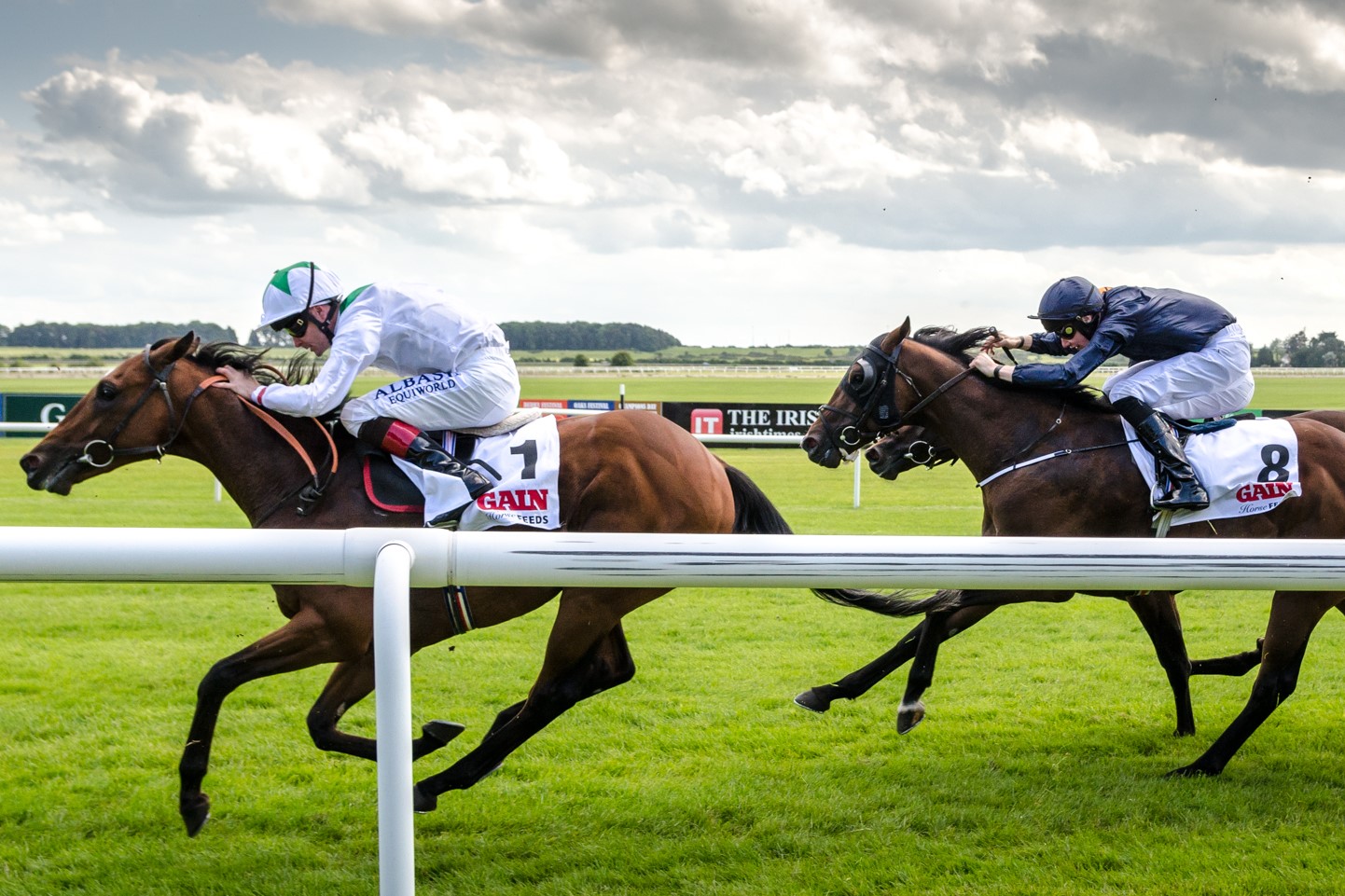

Irish 2000 Guineas Day: Weekend Racing Overview
This expanded guide complements our selections and gives extra context around betting approaches for Irish 2000 Guineas Day and the supporting cards. Read on for tactical insights, market guidance and sensible stake advice aimed at racegoers and responsible bettors aged 18 and over.
Form, Trends and Betting Angles For Today’s Card
Assessing recent form means looking beyond finishing positions to note how horses travelled, the pace they met and the level of opposition they faced in previous starts. That approach helps when weighing up horses such as Running Lion, Iberian and Rashabar against today’s fields and race conditions.
Why Running Lion Appeals As A Stake Bet Today
Running Lion’s pattern of high-level form on good ground and a clear performance peak at Royal Ascot last season marks her as one for extra consideration when she drops in class. If the Gosdens have given her a sharp Newmarket spin, fitness and tactical speed could combine to make her hard to pass in a Listed affair.
Training, Fitness and Recent Race Sharpness
Look for evidence of a targeted prep, such as a recent fast work or a race that was run with intent rather than a maintenance spin, as this often correlates with first-up improvement. Trainers who freshen older fillies and then drop them in grade can unlock value, especially where race shape suits their running style.
Course Suitability And Tactical Considerations
Haydock’s undulations and potential bias through the straight call for a horse that handles a stiff finish and can quicken off a reasonable pace. Jockey tactics and stall position matter; horses with a good early toe who can settle into a rhythm often fare better on a track that can test stamina late on.
Iberian’s Case For The Greenlands Stakes Today
Iberian showed clear ability at Doncaster and was undone by a dramatic swerve at Doncaster in the Listed Cammidge Trophy, which suggests more was in the tank than the bare result implies. That sort of volatile incident can skew short-term form lines, so re-assessing underlying performance metrics is valuable.
Sprint Speed Versus Draw And Trip Factors
Seven furlongs at the Curragh needs a blend of speed and a stout finish, so consider whether Iberian can sustain a high cruising speed without being undone by stronger stays. Draw and early positioning will determine whether he can leverage his turn of foot or becomes boxed in on an inside run without a clear passage.
Rashabar At Value In The Irish 2000 Guineas Market
Rashabar’s juvenile form in Group 1 sprints and his second in the Greenham point to a colt who acts at the highest level and may be under-priced at bigger odds. Horses that have franked juvenile Group 1 form and then improved over a winter in a top yard step into Classics with genuine claims, particularly if they are lightly raced.
Market Moves And Prices To Monitor Before The Off
Watch the early market for any drift or shortening that could signal inside information on the horse’s condition, stable confidence or a late change in tactics. Backing a selection once a trend has established can turn a good price into a fair one, so set a pre-race limit for when you pull the trigger.
Stake Sizing And Bankroll Guidance For Race Day
Decide stake sizes before viewing markets and avoid over-exposure to a single race; sensible staking protects your bank across multiple cards. A consistent staking plan built around percentage stakes of a defined bank reduces emotional decisions and keeps wagering within responsible limits for those aged 18 and over.
Using Bookmaker Offers Responsibly On The Day
Bookmaker promotions can add value when used sensibly, but only engage with offers that you understand and that match your usual staking levels. You can explore current bookmaker offers through our comparison tools if you choose to bet responsibly and remain mindful of terms and wagering requirements.
In-Running Tips And Watching Race Dynamics Live
In-running opportunities often arise when a favourite fails to find cover or when the early pace collapses, creating a sprint to the line that benefits a closer. If you use in-running markets, watch sectional timing and the rider’s urgency; these cues help evaluate whether a late bid is realistic rather than speculative.
Weather, Ground And Tactical Adjustments To Watch
Softening ground can dramatically change the fortunes of speed horses and favour those with stamina-rich pedigrees, so check official going reports and trainer comments pre-race. Where conditions change, re-assess each selection’s turf preferences and be ready to adjust stakes rather than force bets that ignore ground suitability.
How To Interpret Recent P/L and Month-on-Month Trends
Short-term negative P/L stretches are common in racing and reflect variance as much as selection quality; tracking ROI alongside strike rate gives a fuller picture. Use month-on-month performance to refine selection criteria rather than to chase losses, and keep records to learn patterns and blind spots in your process.
Reading Trainer And Jockey Patterns Across Meetings
Top trainers and jockeys show recurring patterns — some target specific days or race types, while others send a high proportion of runners ready to peak. Identifying stable trends and rider booking strategies helps you predict when a horse is likely to be primed for a win versus being run for fitness or experience.
Cross-Referencing Form Between Meetings And Countries
International form can be revealing, especially when horses transfer between Irish, British and French programmes; looking at where rivals have gone on to perform helps judge the strength of a line. Give extra weight to horses that performed well against subsequent winners or who handle travel and different track configurations.
Practical Race-Day Checklist For Smart Betting
Before placing a bet, confirm the official going, stall draw, any jockey changes and the declared weights to ensure your selection still fits the race profile. Keep a limit on total stakes for the day and use bookmaker comparison tools to find fair margins rather than seeking unnecessary increases in stake size.
Responsible Betting Reminders For All Readers
Betting should always be for entertainment and only by those aged 18 or over; it is not a way to resolve financial issues or a route to success. If you choose to bet, set limits, never chase losses and seek help if gambling stops being fun or starts to cause harm.
Where To Find More Offers And Comparison Tools
Our bookmaker and casino comparison pages list current offers in one place to help you compare responsibly without pressure to bet. Explore those tools to make informed choices and remember affiliate links are informational, not incentives to increase wagering.
Frequently Asked Questions About Irish 2000 Guineas Day Bets
Q: What is the best way to approach today’s big races?
A: Study form lines, check the official going and consider trainer patterns; limit stakes to predefined units and avoid chasing losses. Betting is for over-18s and should be done responsibly.
Q: How should I size my stake on each selection?
A: Use a consistent staking plan based on a percentage of a dedicated betting bank to manage variance and protect your capital. Do not increase stakes after a losing run or for emotional reasons.
Q: Are bookmaker offers worth using on big race days?
A: Offers can add value when you understand terms; compare offers and use them sparingly within your normal staking strategy. Always read the small print and avoid offers that require excessive wagering.
Q: What matters most when assessing juvenile form for Classics?
A: Look for Group form, the level of opposition and whether the horse improved between runs, as well as trainer comments about physical development. Juvenile results are useful but should be balanced with first-season improvement potential.
Q: How do ground and weather affect my selections?
A: Ground can favour different running styles and pedigrees; check official going and last-minute rain forecasts, and adjust stakes if a preferred surface is unlikely. Prioritise selections that have shown ability on similar ground.
Q: When is in-running wagering appropriate?
A: In-running can be useful if you can watch the race and spot tactical shifts, such as a collapsed pace or a wide move, but it carries higher volatility and should be used within strict stakes limits. Only bet in-running if you understand the extra risks.
Q: How should I react to late market shortening?
A: Market shortening can indicate stable confidence or weight-of-money; decide beforehand whether you will follow small moves and set a maximum acceptable price. Avoid last-minute emotional decisions based on short-term market noise.
Q: Where can I find reliable pre-race information and comparisons?
A: Use reputable form tools, official racecards and bookmaker comparison pages to check offers and prices, and always prioritise information from trusted sources. Remember affiliate links on our site are for information only and do not imply guaranteed returns.
You can compare current bookmaker free bet offers on our free bets page to see the top recommended deals for new customers responsibly: https://bestofbets.com/free-bets. If you are interested in casino welcome bonuses, find a list of our affiliated casino bonus offers for new customers here: https://bestofbets.com/casino-bonus.